What are the three most likely causes?
1. Anal glands — the runaway favourite. Two small scent sacs sit just inside the anus and normally empty a little with each firm stool. When they don't — soft stools, thick fluid, narrow ducts — they stretch, itch, and ache, and the dog scoots to press on them. Look for the supporting cast: licking under the tail, a sudden fishy smell, sitting down abruptly mid-walk. Small breeds (Toy Poodles, Shih Tzus, Chihuahuas, Maltese — half the dogs in Singapore, in other words) are over-represented. Our full guide to dog anal glands covers why they block and the fibre fix that prevents repeats.
2. Worms. Tapeworm is the classic scooting parasite — segments migrate out and itch, and the giveaway is what looks like moving rice grains around the bottom or on fresh stool. Roundworms and others cause less itching but travel in the same deworming net. If your dog isn't on a routine schedule (every 3 months for most adults here), assume parasites are in play — our worms in dogs guide explains the local schedule and why tropical dog runs keep reinfection pressure high.
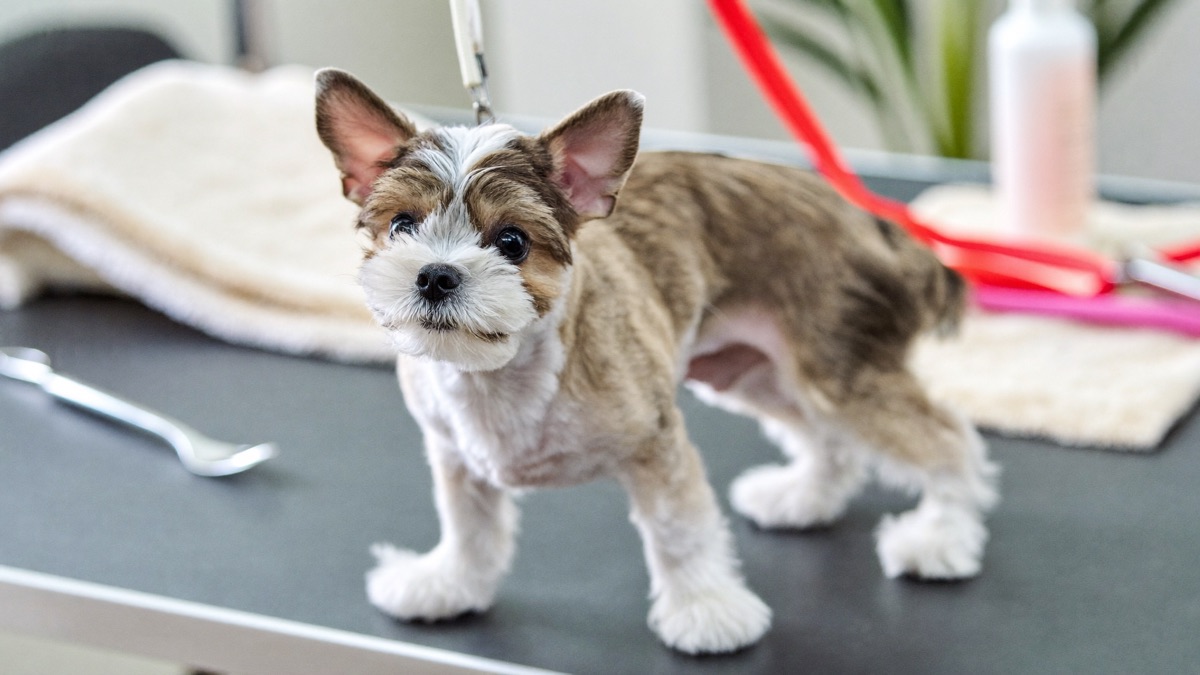
3. Skin irritation. Clipper rash after a close "hygiene trim" at the groomer is a classic — the skin under the tail is shaved closest, and razor burn there itches exactly where a dog can't scratch. Allergy itch, diarrhoea-scalded skin, and dried faecal matter stuck in long coats round out the list. If scooting starts within a day or two of a grooming session, this cause jumps the queue.
What's the once-versus-repeatedly rule?
One scoot, then normal behaviour? File it and move on — dogs occasionally scoot to dislodge a cling-on after pooping, and it means nothing. Repeated scooting — several times a day, or daily across two or three days — is a symptom that won't self-resolve, because the two biggest causes (blocked glands and worms) only progress. The rule also works as triage speed: scooting plus blood, swelling beside the anus, crying, or a burst smelly wound goes to the vet today, not this week. A gland abscess is the avoidable end-stage of ignored scooting, and it's as painful as it sounds.
Can I fix scooting at home?
Some of it. If your dog just got groomed, check for pink razor-burned skin under the tail — a few days of leaving it alone (and asking the groomer for a longer blade next time) usually settles clipper rash. Overdue on deworming? A broad-spectrum tablet costs roughly S$10–30 / RM15–50 as of 2026 and covers the tapeworm question cheaply. Long-coated dog with messy stools? Trim and clean the area.
What you shouldn't DIY as a beginner is squeezing the glands yourself — done wrong it hurts, injures the ducts, and misses early infection. Groomers in Singapore express glands externally as a S$5–20 add-on as of 2026, which is fine for routine fullness; anything painful, bloody, or repeatedly blocked belongs with a vet.
What happens at the vet visit?
It's quicker and less dramatic than most owners fear. The vet takes a history (when it started, grooming and deworming dates, stool quality), lifts the tail for a visual check, then does a gloved rectal exam to feel both glands — seconds of mild indignity for your dog, and diagnostic gold. Full glands get expressed internally on the spot, which is more complete than external squeezing and lets the vet judge the fluid: normal, thickened, bloody, or infected. Suspected worms get a dewormer, sometimes with a faecal test. Irritated skin gets examined for the allergy-vs-rash question, occasionally with tape cytology.
Expect a consultation fee of roughly S$40–80 in Singapore or RM50–150 in Malaysia as of 2026, plus a small procedure charge for expression. Infected glands add antibiotics or a flush; an abscess adds sedation and proper wound care — the expensive branch you avoid by going early.
How do I stop the scooting from coming back?
Match the prevention to the confirmed cause. For gland dogs: firmer stools do the emptying naturally, so ask your vet about added fibre (plain psyllium or a teaspoon of pumpkin) and keep weight down — soft-stool, overweight dogs are the classic repeat offenders. For worm dogs: calendar the deworming every three months and don't skip quarters. For grooming-rash dogs: a longer clip setting and a word with your groomer ends it. And if scooting returns monthly despite all of it, push for a proper vet work-up rather than standing appointments to squeeze — recurring blockage sometimes hides allergy or a duct problem worth solving once instead of managing forever.