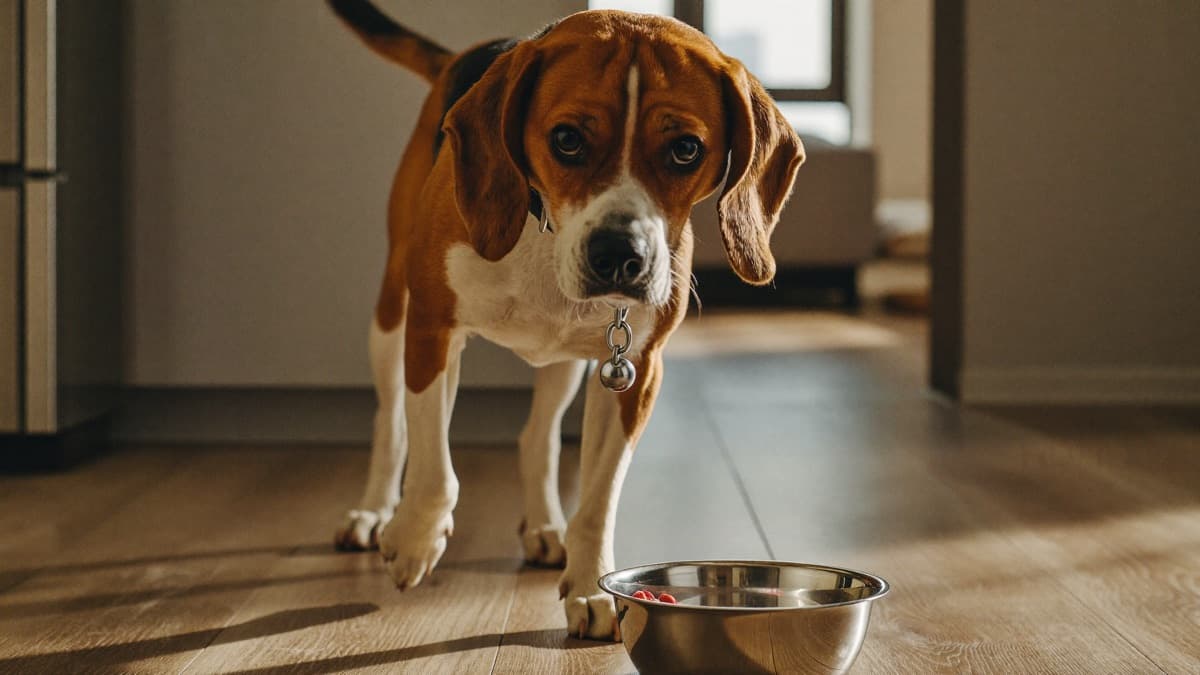
Why does my dog growl over food or toys?
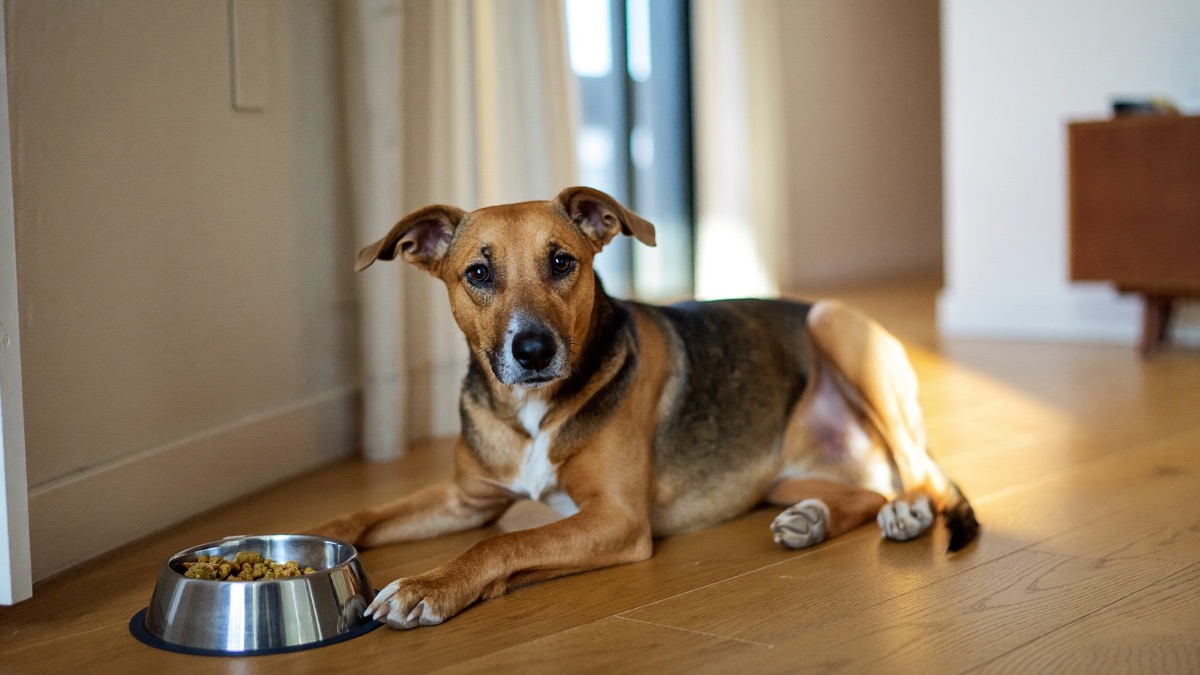
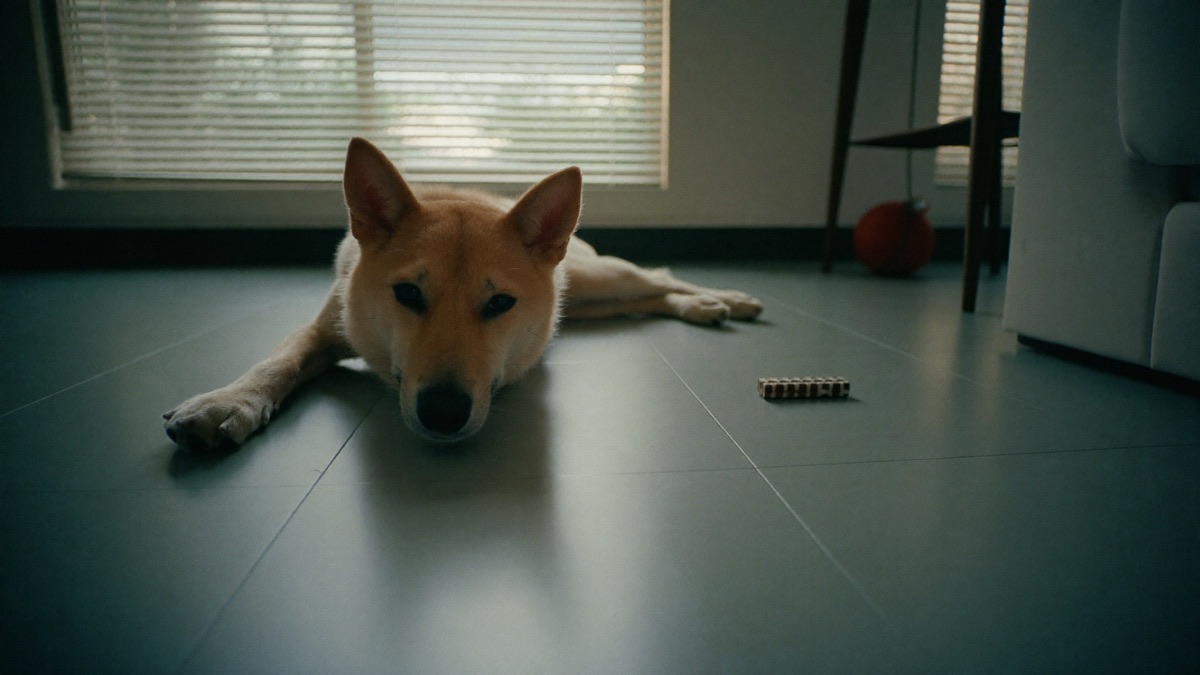
Because it works, and because it's honest. In dog terms, "keep what you have" is sound survival logic, and a growl is the polite version of it — a clear, ritualised warning that says "I'm uncomfortable, please don't come closer." Guarding says nothing about "dominance" (a framing modern behaviour science has discarded) and everything about insecurity: the dog believes an approaching hand predicts loss.
The escalation ladder usually runs: freezing and eating faster → hard stare and hovering over the item → lip lift → growl → snap → bite. Most dogs give every rung. Learn to spot the early rungs — the freeze over the bowl is the conversation starting, and our dog body language guide covers the vocabulary.
Why must I never punish a growl?
Say it plainly: punishing a growl creates silent biters. The growl is not the problem — it's the warning system. A dog scolded or smacked for growling doesn't feel any better about hands near its bowl; it just learns that warnings are dangerous to give. The anxiety stays, the ladder loses its middle rungs, and you get the dog that "bit out of nowhere." No dog bites out of nowhere; some dogs have been taught that the escalation ladder gets them punished, so they skip to the top.
This is exactly the scenario behind the American Veterinary Society of Animal Behavior's position against punishment-based methods: aversives suppress the display, not the emotion, and suppressed warnings are how children get bitten. When your dog growls: stop, give space, and note what triggered it. The growl just gave you free, accurate information about a problem you can now train.
What is the trade-up protocol?
Trade-up teaches your dog that your approach predicts upgrade, not robbery. Run it with an item your dog values only mildly, and work below the level that triggers guarding.
- Approach and toss. Walk casually toward your dog while it has the item, toss a genuinely better treat (chicken, cheese) from a distance the dog is comfortable with, and walk away. Repeat until your approach makes the tail wag.
- Close the distance gradually. Over sessions, toss from closer, then drop the treat beside the dog, then offer it from your hand — always leaving the original item with the dog.
- Add the trade. Offer the high-value treat; when the dog releases the item to take it, mark ("yes!"), let the dog eat, then give the item back. Returning the item is the magic step — it proves surrender isn't loss.
- Add a cue. Once trades are fluent, name it ("drop" or "give"), and keep paying generously for life on real-world trades.
Work through a hierarchy: boring toy → favourite toy → chew → food bowl, and never jump ahead of a relaxed dog. Weeks of short sessions, not one dramatic weekend.
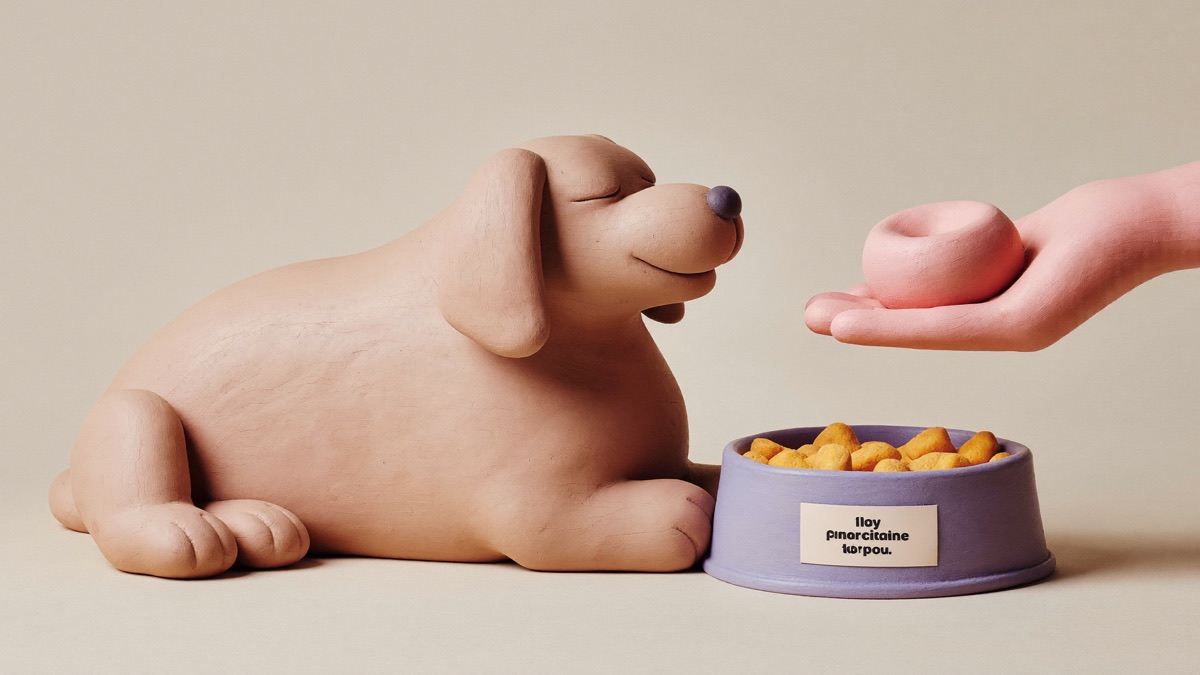
Should I put my hand in the bowl or take food away to "show who's boss"?
No — this is the most damaging myth in dog ownership. Repeatedly plunging hands into the bowl, taking food away mid-meal, or making the dog wait while you eat first doesn't prevent guarding; it teaches it, by proving the dog's fear correct: hands near bowls take things. Dogs subjected to bowl interference reliably guard more, not less.
Hand-feeding has a real but narrow place — as part of structured trade-up work or relationship building with a new dog — not as a dominance ritual. The everyday rule for a non-guarding dog is simpler: let dogs eat in peace, and occasionally walk past and drop something better in. That's the entire "prevention program," and it works.
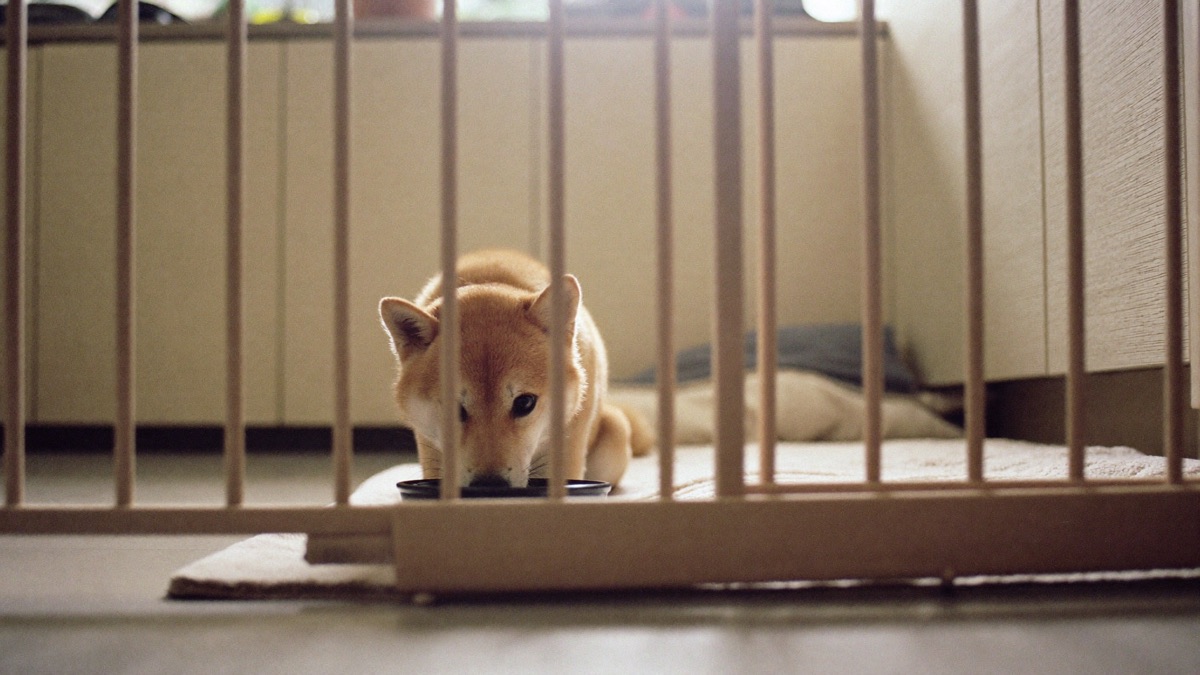
What are the kids-and-bowls rules?
Children are the most common bite victims in guarding incidents — they're bowl-height, unpredictable, and can't read a freeze. House rules, non-negotiable:
- Nobody bothers a dog that is eating or has a chew. Not petting, not hugging, not "just saying hi." Feed the dog behind a baby gate or in a separate room if the household is busy.
- Kids never take anything from the dog. If the dog has something it shouldn't, an adult trades for it — that's what the trade-up cue is for.
- Adults supervise, always. Toddlers and dogs are never alone together, guarding history or not.
- Teach kids the freeze. A dog that goes still over an item is saying "no" — the child's job is to back away and tell an adult.
When should I hire a professional?
Get qualified help promptly if your dog has ever snapped at or bitten a person, guards against children, guards multiple categories (food, toys, spaces, people), or guards items so intensely it can't be safely managed. This is standard, well-understood behaviour work — in Singapore, start with the AVS-Accredited Certified Dog Trainer list and choose a force-free trainer or a veterinary behaviourist for bite-history cases. Expect a structured management-plus-trade-up plan, not confrontation; any professional who proposes "showing the dog who's boss" around its bowl is proposing to build you a silent biter.
Guarding is anxiety, growls are information, and trade-up turns the thing your dog fears — your approach — into the best part of its meal.