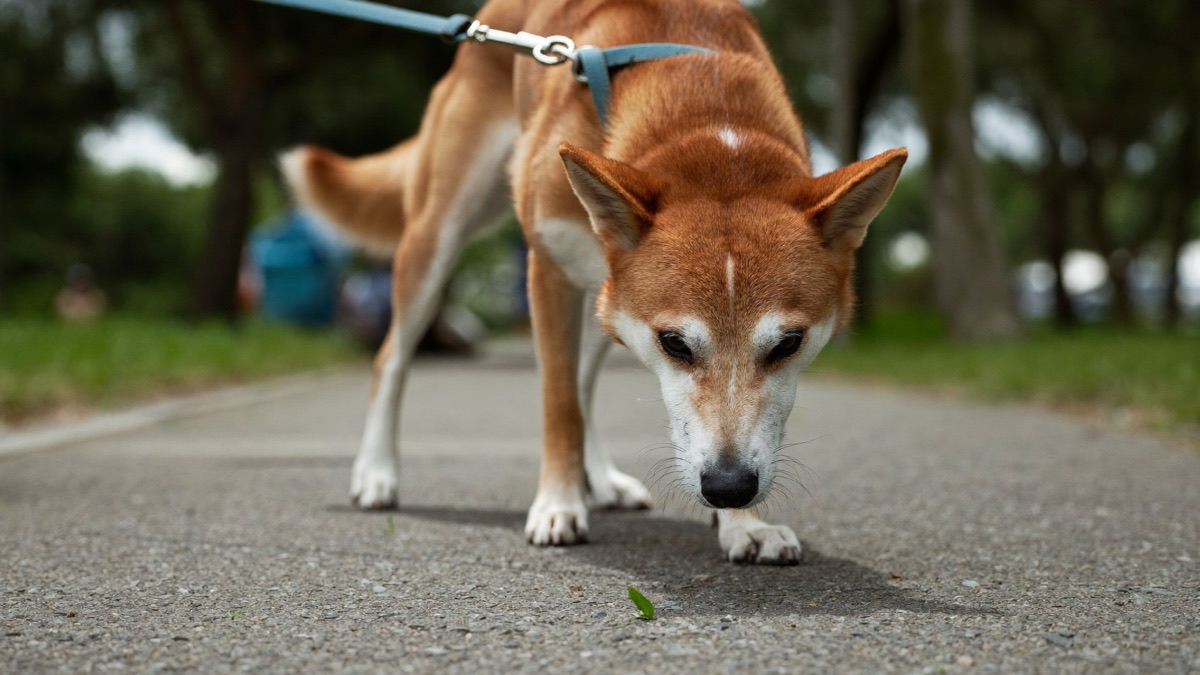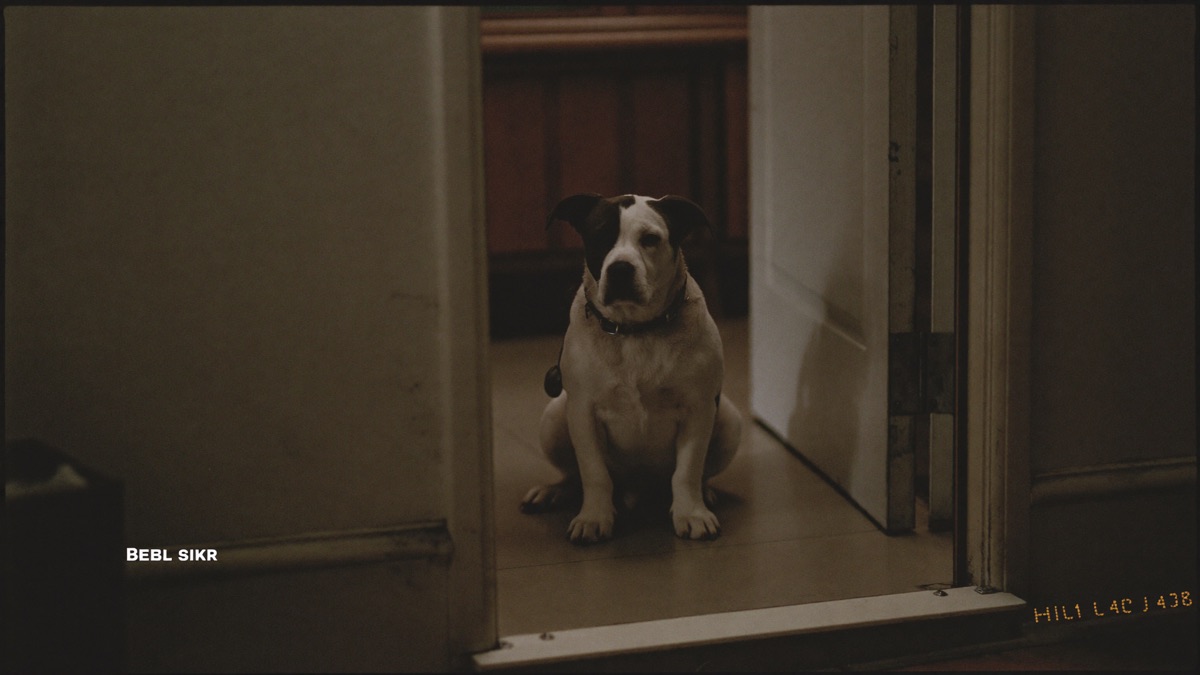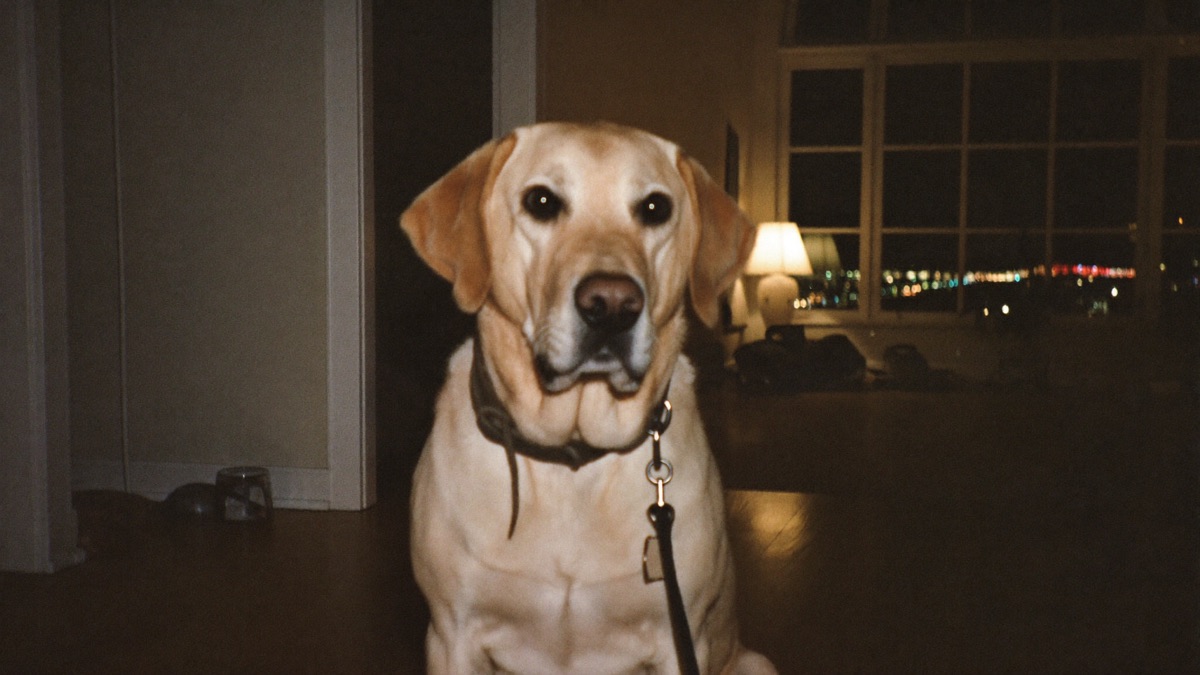
Use the context: what was happening just before, what else is your dog doing, and is this normal for this dog?
Go to the vet now if...
Skip the internet and go to a vet — an emergency clinic if it's after hours — if shaking comes with any of these:
- Possible poison exposure — chocolate, xylitol (sweetener in gum and some peanut butters), rodent bait, snail bait, human medications, or unknown scavenged food. Tremors are a hallmark of several common toxins. Bring the packaging if you have it.
- Vomiting or diarrhoea alongside trembling, especially with a hunched belly or refusal to move — pain and serious GI disease look like this.
- Collapse, wobbliness, or glassy-eyed dullness — in toy breeds and small puppies think hypoglycemia (low blood sugar); if the dog is conscious and able to swallow, rub a little honey or syrup on the gums on the way to the clinic.
- A seizure — collapse with rhythmic full-body convulsions, paddling legs, loss of awareness, often drooling or loss of bladder control. Time it, keep hands away from the mouth, and go straight in if it lasts more than a few minutes, repeats, or is the first one.
- Shaking with fever, crying when touched, or a rigid posture — pain until proven otherwise.
- Continuous tremors that don't stop with warmth, calm, and rest.
When in doubt, call. Poisoning and hypoglycemia are hours-matter emergencies — and since neither Singapore nor Malaysia has a dedicated pet poison hotline, your call goes to your regular clinic or the nearest 24-hour emergency vet. The Singapore Veterinary Association's clinic directory is worth bookmarking before you ever need it.
Is my dog shaking because of cold, excitement, or drying off?
The benign trio, in order of frequency:
-
Cold. Shivering is thermogenesis — muscles generating heat. Small, lean, short-coated, and senior dogs chill easily, and yes, this happens in the tropics: plenty of Singapore and Malaysia dogs shiver in aggressively air-conditioned rooms or cafes, or on cold tile after a bath. If your dog shivers in the aircon, offer a bed off the tile and a blanket; if the shivering stops, that was the answer.
-
Excitement and anticipation. Trembling before walks, at mealtimes, or when the lead comes out is adrenaline with nowhere to go. Common, harmless, and it fades as the event starts.
-
The shake-off. The head-to-tail wet-dog shake after a bath, a nap, or a tense moment is normal — after stress, it's essentially a reset, like a human exhaling. No action needed.
-
Fear and anxiety sit in between: trembling during thunderstorms, fireworks, or vet visits, usually with panting, pacing, lip-licking, or hiding. It's not medical, but chronic fear deserves help. Comforting a frightened dog does not reinforce fear — fear is an emotion, not a behaviour you're rewarding. Provide a quiet den-like refuge, stay matter-of-fact, and use gradual desensitisation with treats to change how the trigger feels. For severe storm or firework phobia, ask your vet about anti-anxiety medication; suffering through it untreated makes phobias worse each season.
When is shaking a sign something is wrong?
Patterns that separate medical trembling from the benign kind:
- It's new and has no obvious trigger. A dog that never trembles, now trembling in a warm, calm room, is telling you something.
- It's localised. Trembling in one leg or the jaw, or trembling only when rising or being touched, points to pain — arthritis in seniors, back or neck pain, or injury.
- It comes with sickness signs — nausea (drooling, lip-licking), poor appetite, lethargy, fever.
- The dog is very young, very small, or diabetic. Toy-breed puppies can crash into hypoglycemia after missed meals or heavy play; diabetic dogs can go low from insulin. Weakness plus trembling in these dogs is an emergency (see above).
- It's rhythmic and involuntary. Persistent tremors can reflect toxin exposure, neurological disease, or conditions like generalised tremor syndrome (historically "white shaker syndrome," though any colour of dog can have it) — treatable, but it needs a diagnosis.
Distinguish tremors from seizures: a trembling dog is awake, responsive, and can walk; a dog in a generalised tonic-clonic seizure is unaware, usually on their side, paddling or convulsing. Videos help your vet enormously — if you can do it safely, film the episode.

What should I do when my dog is shaking?
A quick decision framework:
- Scan for danger first. Any chance of toxins, any collapse, seizure, vomiting, or pain response? Go to the vet now.
- Check the obvious. Cold room or wet coat? Warm and dry the dog, and see if it stops within minutes.
- Check the context. Excitement or a scary trigger? Trembling should ease when the moment passes. Support anxious dogs calmly; never scold a frightened dog for shaking — punishment adds fear on top of fear.
- Watch and log. If mild trembling recurs without explanation, note when it happens, how long, and what stops it, take a video, and book a normal-hours vet visit.
Shaking is information. Most of the time it says "cold," "excited," or "that was stressful." Your job is just to catch the times it says something else.