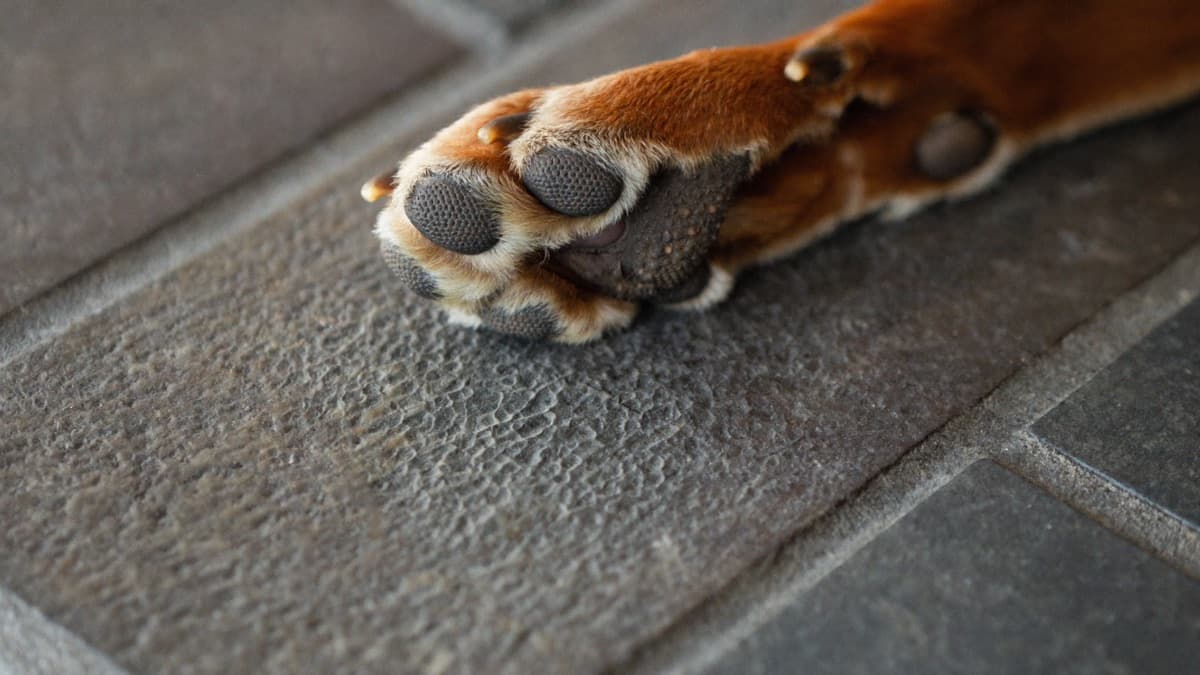
How do I know if the pavement is too hot?
Press the back of your hand flat against the surface. If you can't hold it there for 7 seconds comfortably, your dog shouldn't walk on it. Dark asphalt in direct equatorial sun routinely reaches 55-65°C — hot enough to blister pads in under a minute — and stays hot well after the air cools, because the surface radiates stored heat into the evening.
Practical walking hours for most of Singapore and Malaysia:
| Time | Paved surfaces | Notes |
|---|---|---|
| Before 9 am | Generally safe | Coolest window; best for long walks |
| 9 am - 11 am | Test first | Shade routes and grass usually fine |
| 11 am - 5 pm | Assume unsafe | Grass, shaded park connectors, or skip |
| After 6 pm | Test first, usually fine by 7 pm | Asphalt holds heat past sunset |
Grass, packed earth, and shaded park connector paths stay far cooler than asphalt or metal (drain covers and road fixtures are the sneaky burners). The AVMA's warm-weather guidance is blunt on this: walk during cooler hours and avoid hot surfaces entirely.
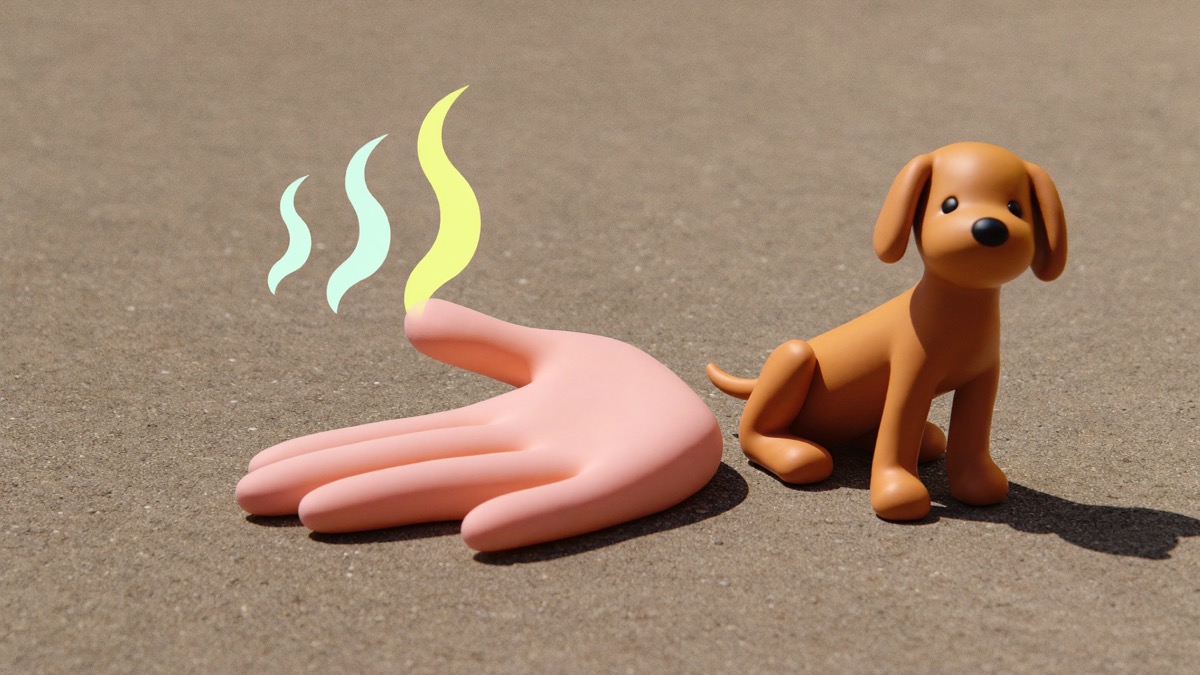
What do paw pad burns look like?
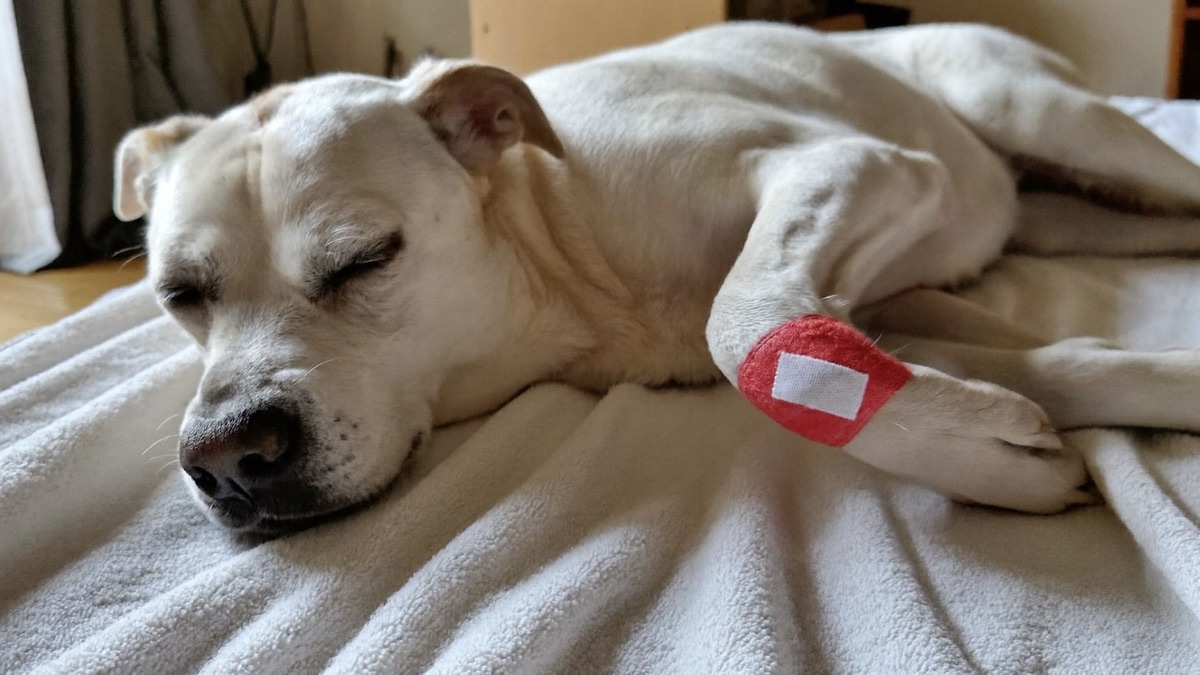
Limping or refusing to walk mid-outing, licking at the feet, pads that look darker or redder than usual, blisters, or — in serious burns — loose flaps of pad peeling away. If you suspect a burn: get the dog off the hot surface (carry if needed), flush the paws with cool (not iced) water for several minutes, and see a vet the same day for anything beyond mild redness. Burned pads infect easily, and proper dressing makes the difference between days and weeks of recovery.
Why do my dog's paws smell musty or itch between the toes?
Because the spaces between the toes are the last part of a dog to dry, and in 80-90% humidity they may never fully dry on their own. Damp, warm interdigital skin is ideal habitat for Malassezia yeast and bacteria — producing itch, a corn-chip or musty smell, rust-brown saliva staining on the fur, and the lick-itch-lick spiral vets call pododermatitis. Underlying allergy is often the root cause in repeat offenders, the same driver behind chronic ear infections.
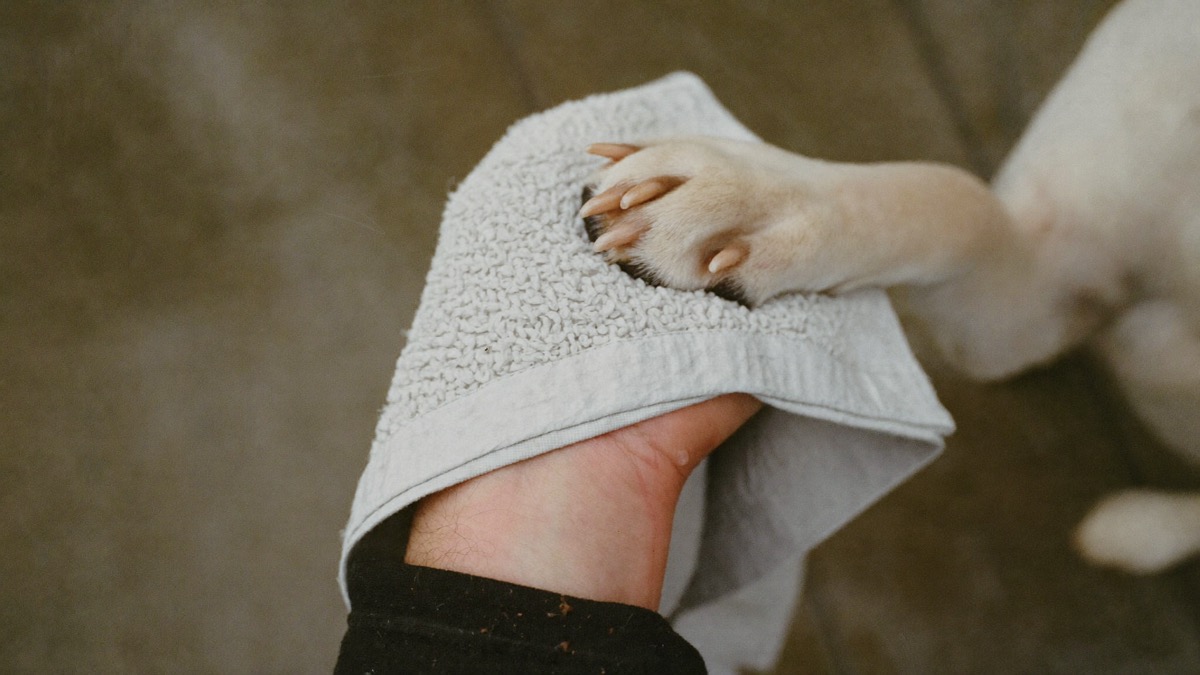
The single best preventive is boring: towel-dry the paws, including between every toe, after rain walks, wet grass, beach trips, and baths. In this climate that can mean twice a day in monsoon season. Keep the fur between the pads trimmed short so it dries faster, and check between the toes weekly for redness, staining, or the small angry swellings (interdigital furuncles) that need veterinary treatment. Persistent licking, swelling, or smell is a vet visit — antifungals or antibiotics only work when matched to what's actually growing.
Is paw balm worth buying?
Sometimes — but it's oversold. Where balm genuinely helps:
- Cracked, dry, or fissured pads, softening them enough to heal without splitting further
- Hyperkeratosis — the thick, crusty, "hairy-looking" pad overgrowth of some senior dogs and certain breeds
- Post-injury aftercare your vet has approved once the wound has closed
Where it's unnecessary or counterproductive: healthy pads (toughness is the feature, and chronic softening invites abrasion), as "protection" against hot pavement (it does nothing — only timing and surface choice do), and as a fix for interdigital yeast (greasing a damp infection makes it worse; those paws need drying and treatment, not balm). Choose a dog-specific, lick-safe product, since everything on a paw ends up in the mouth. Plain petroleum jelly does much of the same job for a fraction of the price.
What about cracked pads specifically?
Occasional shallow cracks from abrasive surfaces respond to rest, gentle washing, and a lick-safe balm twice daily. But deep, bleeding, or widespread cracking — especially with crusting on the nose as well — can signal underlying disease and deserves a vet exam rather than a bigger tub of balm. Regular checks after walks (pads, between toes, nail beds) take twenty seconds and catch thorns, ticks, and hot-spot-in-progress problems early. For broader guidance on responsible pet care in Singapore, the Animal & Veterinary Service publishes owner resources, and clinics are listed in the SVA directory.