Which dog breeds are banned from import into Malaysia?
The DVS scheduled-country regulations, section 5 list:
- Akita
- American Bulldog
- Dogo Argentino
- Fila Brasileiro
- Japanese Tosa
- Neapolitan Mastiff
- Pit Bull Terrier / Pit Bull, including American Pit Bull Terrier, American Staffordshire Terrier and Staffordshire Bull Terrier
The general non-scheduled-country regulations carry the same breed lists. These documents retain the 2013 regulatory text alongside a March 2026 country-list notice. Confirm the conditions for your dog's actual origin before making arrangements.
Which breeds are restricted?
Restricted breeds need written MAQIS approval before the import-permit application. The DVS non-scheduled-country regulations, sections 6 and 7, name:
- Bull Mastiff
- Bull Terrier
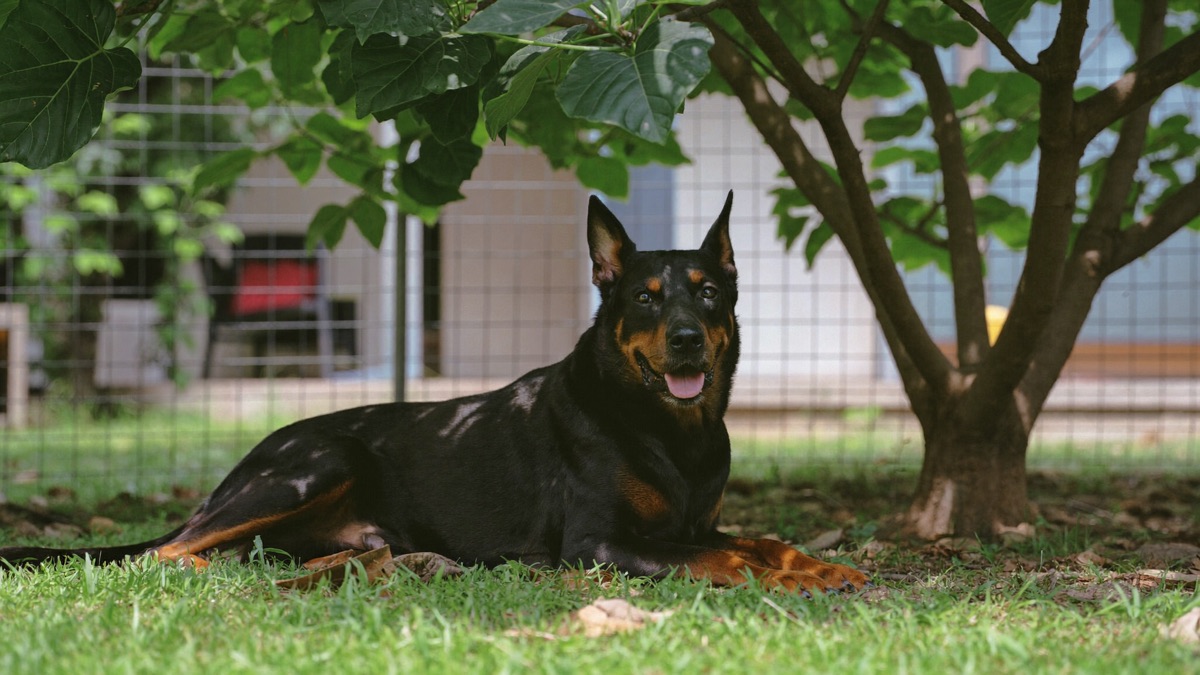
- Doberman
- German Shepherd / Alsatian, including Belgian and East European Shepherds
- Perro de Presa Canario, also called the Canary Dog
- Rottweiler
The stated requirements include a minimum age of three months, a recognised pedigree certificate, an ISO-compliant microchip, importer details and a premises inspection. The importer must also make declarations about purpose, secure confinement and leash-and-muzzle use in public. Read the full conditions before applying.
What about Cane Corso and Boerboel?
Neither is named in the two general lists linked above. That does not establish that either breed can be imported. Ask DVS or MAQIS for written confirmation for your particular dog and route.
DVS postponed the replacement requirements uploaded in May 2025. Its notice says the existing requirements remain in effect until further notice. A newer-looking document found online is therefore not sufficient evidence that a new nationwide list applies.
Bringing a dog from Singapore to Malaysia
Singapore appears in the scheduled-country category in the DVS notice dated 13 March 2026. Use the applicable Malaysian import conditions together with that notice and confirm the current permit requirements before booking transport.
For the Singapore side of the journey, see exporting pets from Singapore.
What if my dog already lives in Malaysia?
An import classification alone does not answer whether you can keep a particular dog at your address. Before buying or adopting, ask your council about the breed, licence and housing requirements that apply to you. Our Malaysia dog-licence guide explains where to start.
For a named breed, you can also read the Rottweiler guide or use the breed checker. The checker uses the same general import lists as this page; it cannot issue an approval.