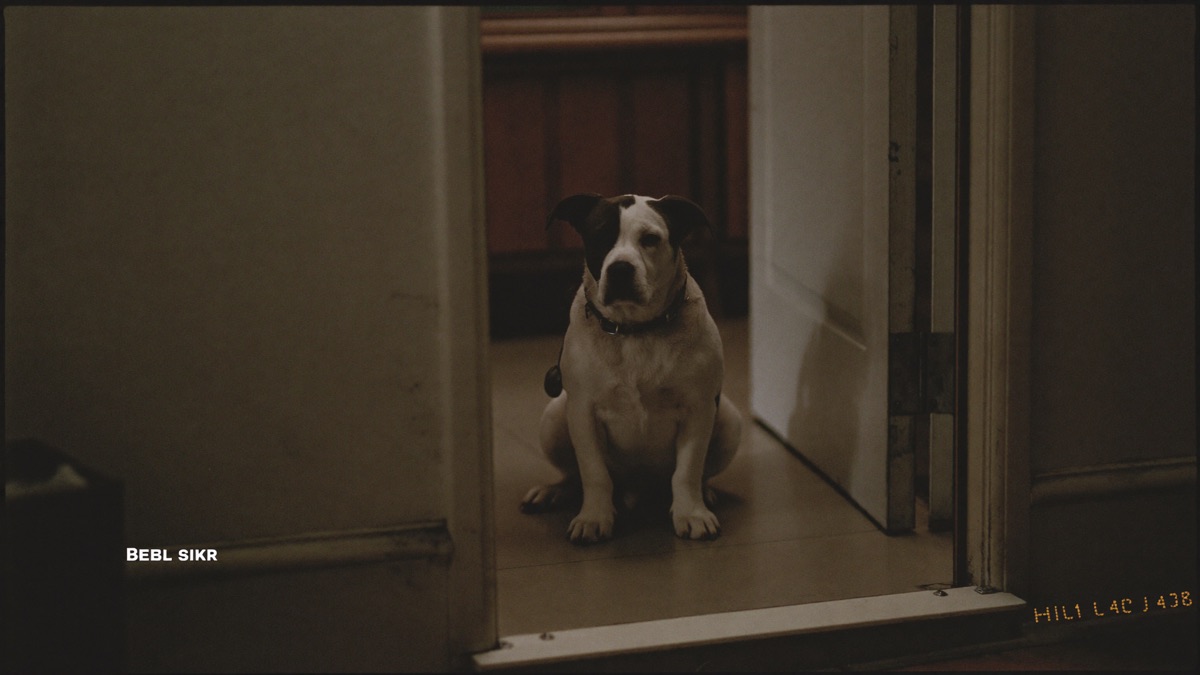
Understanding which of those your dog is doing tells you whether the answer is "nothing, it's fine", training, or a vet.
Why do dogs howl at sirens?
Not because it hurts their ears — a comforting myth, but the evidence doesn't support it. A dog in real acoustic pain flattens its ears, cowers, or leaves; a siren-howler lifts its muzzle, joins in, and calmly stops when the sound passes. The honest explanation is simpler: certain sustained, rising-and-falling tones sit close enough to a howl's acoustic shape that the dog's brain files them as "distant canine calling" and answers automatically.
That's why the trigger list is what it is: ambulance and police sirens, fire-station tests, some alarm tones, harmonicas and violins, singing, and other amplified sustained tones in the neighbourhood soundscape — in parts of Singapore and Malaysia, some dogs answer the mosque's call to prayer the same way they answer a siren, purely because it's a sustained melodic tone carrying across the estate. It's reflex acoustics, nothing more, and the polite fix is the same for every trigger: teach a calm alternative rather than letting the duet rehearse. Close windows at predictable times, pair the sound's start with scattered treats on the floor (nose down = no muzzle up), and reward quiet after the first answering note. Most dogs shorten from full arias to a token "aroo" within weeks.

Is my dog howling because it's alone?
The saddest version of the contact call: you leave, and the dog calls you back — sometimes for hours. Neighbours usually report this one before owners discover it, because separation howling happens precisely when you're not there. Set up a phone camera and record a departure. Howling that starts within 30 minutes of you leaving, recurring in bouts, especially with pacing, door-scratching, drooling, or ignored food, points to separation distress — a panic problem, not disobedience, and one that punishment reliably worsens. It responds well to structured treatment: gradual departures built from seconds, and in many cases vet-prescribed anti-anxiety medication to make the training possible. Our separation anxiety guide covers the full protocol.
Do some breeds just howl more?
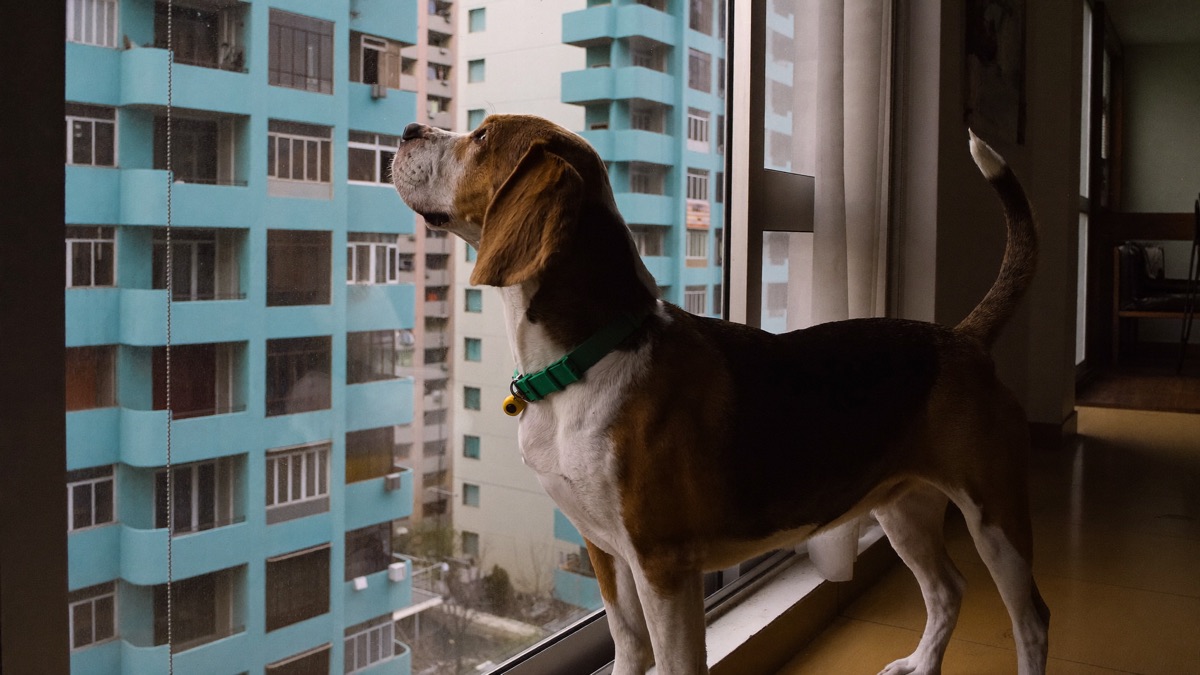
Dramatically so, and it's worth knowing before you fall for the face. Huskies barely bark but "talk" and group-howl as their default setting — it's inherited wolf-adjacent social communication, and no training erases it. Beagles were bred for a carrying bay so hunters could follow the pack by ear across kilometres; your HDB corridor carries it beautifully too. Hounds generally (Dachshunds included), Malamutes, and some spitz breeds round out the chorus line. With these breeds the goal is managing when and how much, never expecting silence — and honestly weighing the breed against apartment acoustics before committing.
What about my neighbours?
In an HDB flat or condo, a howl travels further than any bark, and one afternoon aria can undo months of corridor goodwill. The playbook is the same as for barking: act early and visibly. Record and time the howling so you know the real pattern, knock on affected neighbours' doors before they escalate, and show them there's a plan. Persistent complaints in Singapore can move from the town council to AVS as a nuisance matter, and in Malaysia to the local council — our guide to barking in apartments covers the complaint pathways and the humane training that actually resolves things (skip the shock and citronella collars; they trade howling for worse problems). While training progresses, daycare or a sitter on your longest days keeps the corridor quiet.
When is howling a red flag?
Howling has a medical column too. A dog that starts howling or vocalising out of character — especially when touched, when lying down, or at night — may be voicing pain, and sudden vocalisation in a stoic dog always deserves a vet check. In seniors, new nighttime howling with disorientation, staring at walls, or pacing suggests cognitive dysfunction rather than communication. And any howling paired with obvious distress, injury, or illness signs skips the training advice entirely and goes to a vet — a consultation runs roughly S$40–80 / RM50–150 as of 2026, cheap certainty against the small chance the howl is a symptom. The rule that covers it: howling that answers the world is normal; howling that answers nothing, in a dog who never used to, is information.