| Quick facts | |
|---|---|
| Size | Medium (51–60 cm at the shoulder) |
| Weight | 16–27 kg |
| Lifespan | 12–14 years |
| Coat | Thick double coat built for Arctic cold; heavy shedding |
| Exercise | Very high — bred for endurance running, not strolls |
| HDB-approved | No — private housing only |
What is a Husky's temperament really like?
Friendly, mischievous, dramatic, and profoundly independent. Huskies are genuinely lovely with people — they were bred to live communally and are rarely guardy or aggressive. What they are not is obedient. This breed was selected to run and make its own decisions, not to check in with a handler, and it shows in three ways that matter enormously in a flat-dense region.
Escape artistry. Huskies dig under fences, climb over them, slip harnesses, and bolt through doors. Off-leash reliability is close to a myth; a Husky that gets loose runs, and in traffic-dense Singapore or Malaysia that story ends badly. Assume lifelong leash-only status and audit your gates like a prison warden.
Prey drive. Cats, community cats, small dogs, chickens: a running Husky is not being naughty, it is being a Husky. Multi-pet homes with small animals need serious management or a different breed.
Vocal drama. Huskies rarely bark; they howl, "talk," and scream — at sirens, at loneliness, at nothing. In landed housing it is charming for you and a dispute with your neighbours. A bored Husky home alone will howl for hours.
Add high intelligence with low biddability and you get a dog that learns commands quickly and complies when it feels like it. Experienced, patient, humour-equipped owners only.
The climate problem, stated honestly
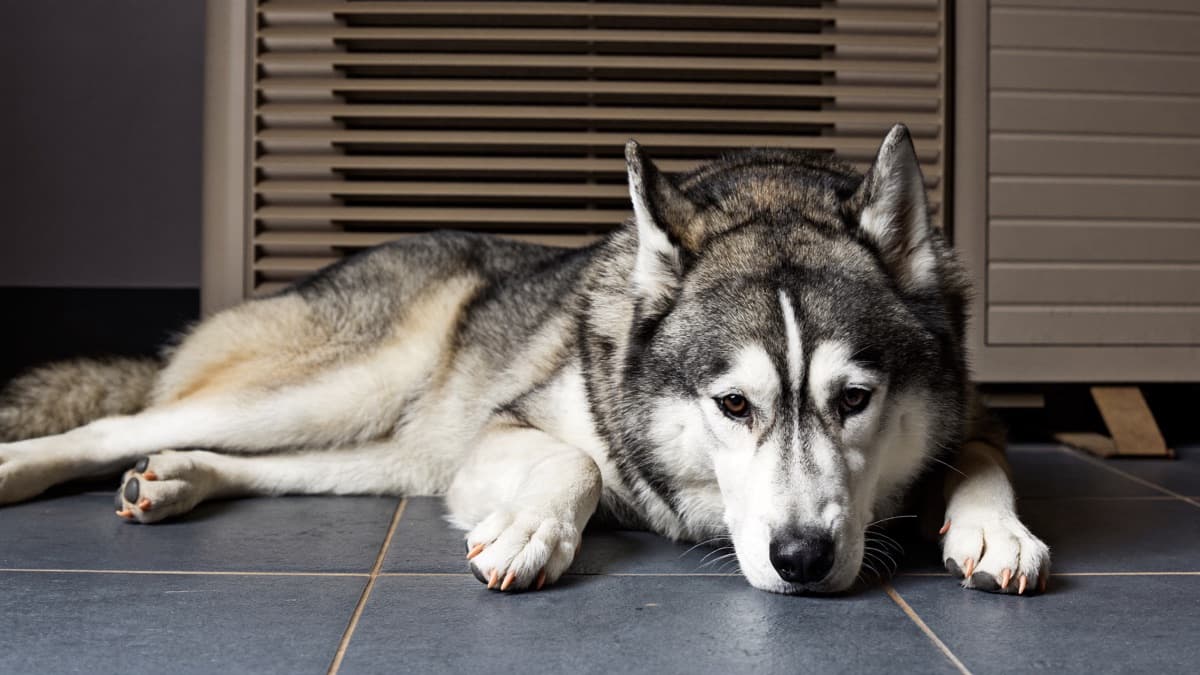
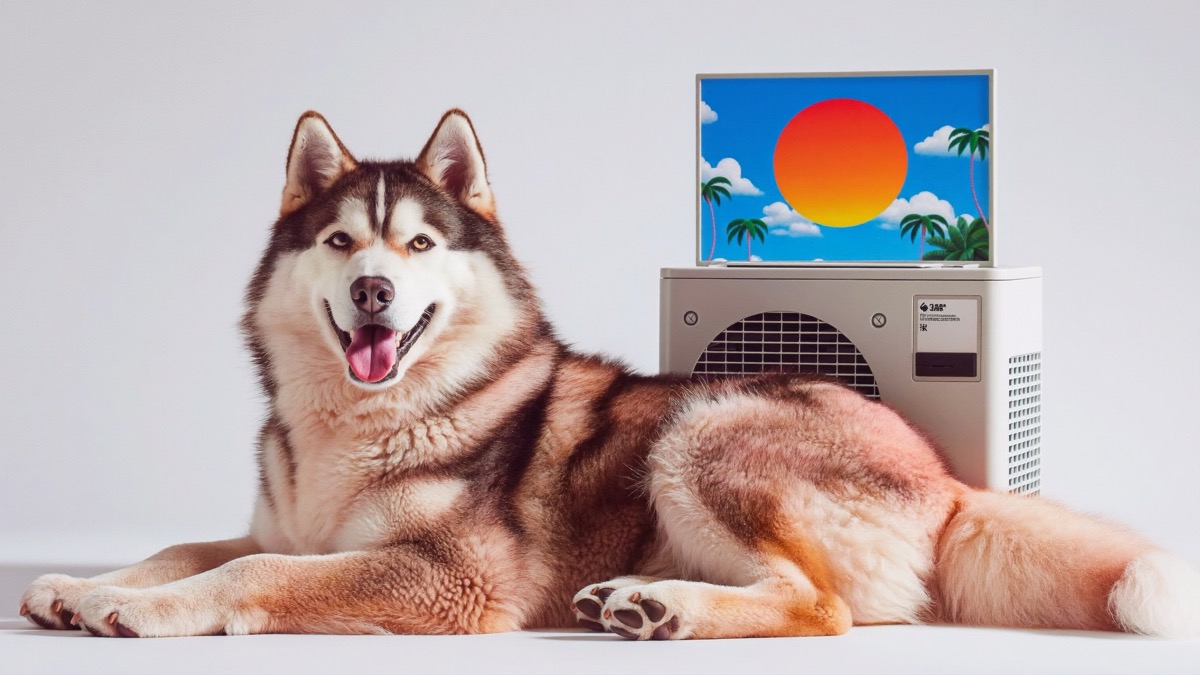
The Husky's double coat is magnificent insulation, and insulation works both ways — but the dog underneath it is an endurance athlete with a metabolism built for cold. The practical result in the tropics: a Husky here is an air-conditioned indoor dog that exercises at dawn and after dark, full stop. Midday exertion is a heat-stroke risk, and heat stroke kills — learn the signs (frantic panting, brick-red gums, drunken gait, collapse) and treat any suspicion as an emergency.
Do not shave the coat. Shaving wrecks the coat's structure, exposes pink skin to the equatorial sun, and does not cool the dog; the fix is scheduling, shade, water, cooling mats, and honest air-conditioning bills for twelve-plus years. Undercoat maintenance is non-negotiable: rake out dead undercoat several times a week (the breed sheds heavily year-round here, since there is no winter to cycle against), bathe monthly, and dry completely — damp undercoat in this humidity breeds hot spots and fungal skin disease. Expect fur everywhere, always.
The exercise problem is the cruel catch-22: the breed needs more exercise than almost any companion dog, in a climate that only offers two safe hours a day for it. Under-exercised Huskies dig, destroy sofas, howl, and escape. If you cannot commit to structured dawn and evening exercise every single day, the maths simply does not work.
What health problems do Huskies have?
By pedigree standards a robust breed. The main heritable concerns are eye diseases — juvenile cataracts, corneal dystrophy, and progressive retinal atrophy — so buy only from breeders with current eye certifications on both parents. Hip dysplasia occurs at lower rates than in other medium-large breeds but still warrants scored parents. Zinc-responsive dermatosis is a breed quirk causing crusty facial skin lesions. In the tropics the acquired problems dominate: heat stress, moist dermatitis, and fungal skin and ear infections, all downstream of that coat meeting this humidity.

Can a Husky live happily in Singapore or Malaysia?
Honestly? Only in a narrow set of homes, and "happily" is doing heavy lifting.
Housing. Not HDB-approved — private housing only in Singapore, and realistically a landed home with secured boundaries. Verify the current HDB/AVS position yourself, but do not expect it to change.
The surrender problem. Local shelters and breed rescues see a steady stream of adolescent Huskies given up at one to two years old — bought as striking puppies, surrendered when the howling, escaping, shedding, and aircon-dependence became real. If you are set on the breed, adopt one of these dogs from a local rescue first; you will save a dog that is already here and skip the puppy chaos.
Who makes it work. Experienced owners in landed housing, home much of the day, running the dog at 6 am and 8 pm daily, with aircon, a groomer, and no illusions.
Who should not get a Husky?
Almost everyone reading this in Singapore or Malaysia, frankly. Skip the breed if you live in any flat, work full days out of the house, want off-leash beach runs, own a cat, or are drawn mainly by the blue eyes. If you want the look with a fraction of the mismatch, meet some rescued Huskies first — the reality check is free, and it might also be how you find your dog.