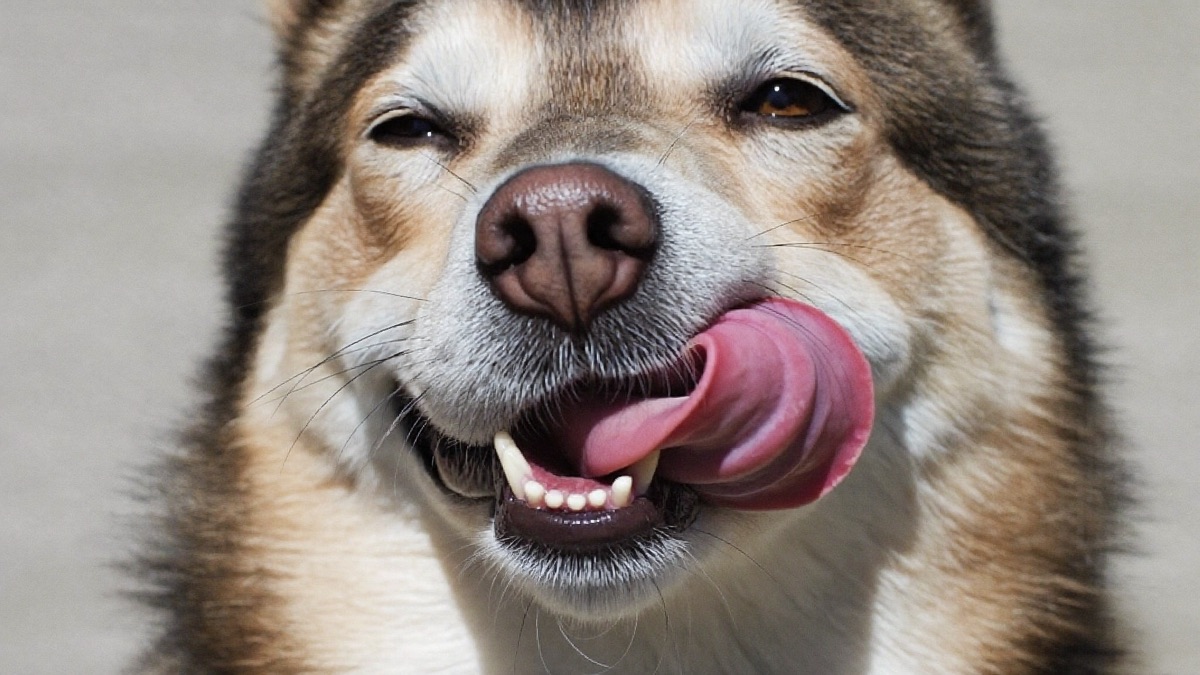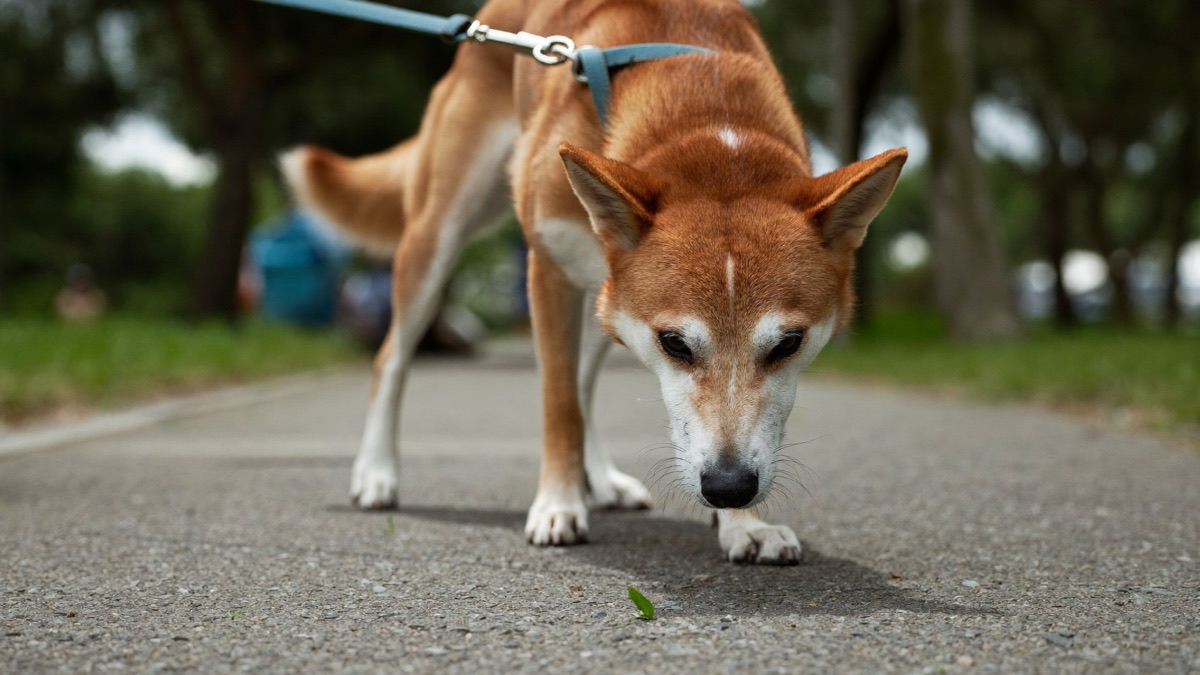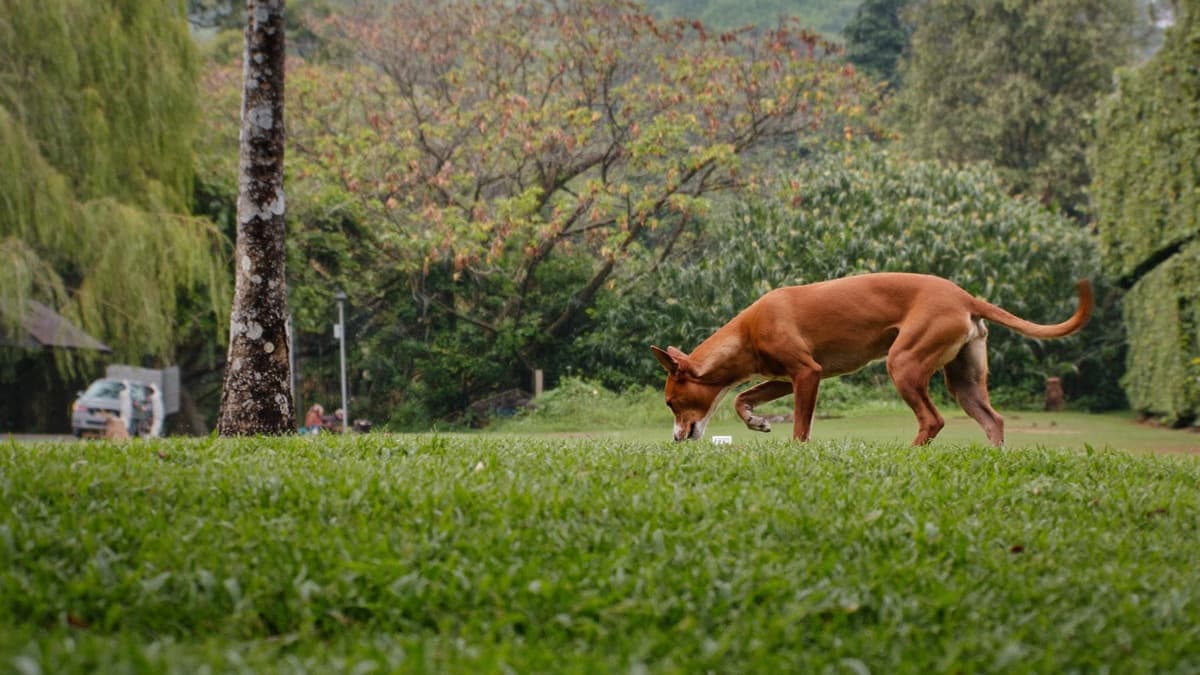
That said, "normal most of the time" isn't "normal always." Here's how to tell the difference.
Is it normal for dogs to eat grass?
Yes. Grass eating shows up in wolves and wild canids too — plant matter turns up in a meaningful share of wild wolf scats — so it appears to be an inherited scavenging behaviour rather than a malfunction. Dogs are not strict carnivores; they've evolved alongside humans eating a varied, opportunistic diet.
In behavioural studies, dogs offered grass ate it regardless of whether they'd just had a full meal, and young dogs ate it more than older ones. The most likely explanations are unglamorous: it tastes interesting, it's something to do, and it's there.
Boredom can amplify it. A dog left alone in a garden with little to do will often graze more, the same way an under-stimulated dog digs or chews. If grass eating spikes when your dog is under-exercised, more walks, sniffing time, and food puzzles usually shrink it.
Do dogs eat grass because they feel sick?
This is the most persistent myth, and the evidence mostly says no. In the best-known owner survey, fewer than 10% of dogs seemed ill before eating grass, and fewer than 25% vomited after. If grass were a deliberate emetic, you'd expect those numbers to be far higher.
The honest, nuanced version: a small subset of dogs do seem to eat grass when nauseated — typically in a frantic, gulping way, sometimes followed by vomiting — and some vets suspect it can be a response to reflux or mild gastrointestinal upset in those individuals. But for the average dog calmly nibbling on a walk, sickness is unlikely to be the reason.
One occasional vomit after grazing is not an emergency. A pattern is different — see below.
When is grass eating a sign of a problem?
Talk to your vet if grass eating comes with any of the following:
- Frantic, compulsive grazing — urgent gulping of grass, especially with lip-licking, drooling, or repeated swallowing, which can signal nausea or reflux
- Regular vomiting — more than the odd isolated episode
- Appetite changes, weight loss, diarrhoea, or lethargy alongside the grazing
- A sudden dramatic increase in a dog who previously ignored grass
A marked increase in eating non-food items in general (soil, rocks, fabric) is called pica and deserves a work-up, because it can be linked to gastrointestinal disease, dietary deficiency, or anxiety. Your vet may check for parasites, GI inflammation, or other underlying causes. If you don't yet have a regular clinic, the Singapore Veterinary Association's directory of vet centres is a practical starting point.
Diet is occasionally a factor. Some dogs on low-fibre diets graze more, and adding fibre (under veterinary guidance) has resolved grass eating in individual case reports — worth discussing if your dog is a heavy grazer.
Can eating grass hurt my dog?
The grass itself rarely does. The bigger risks are what's on it and around it:
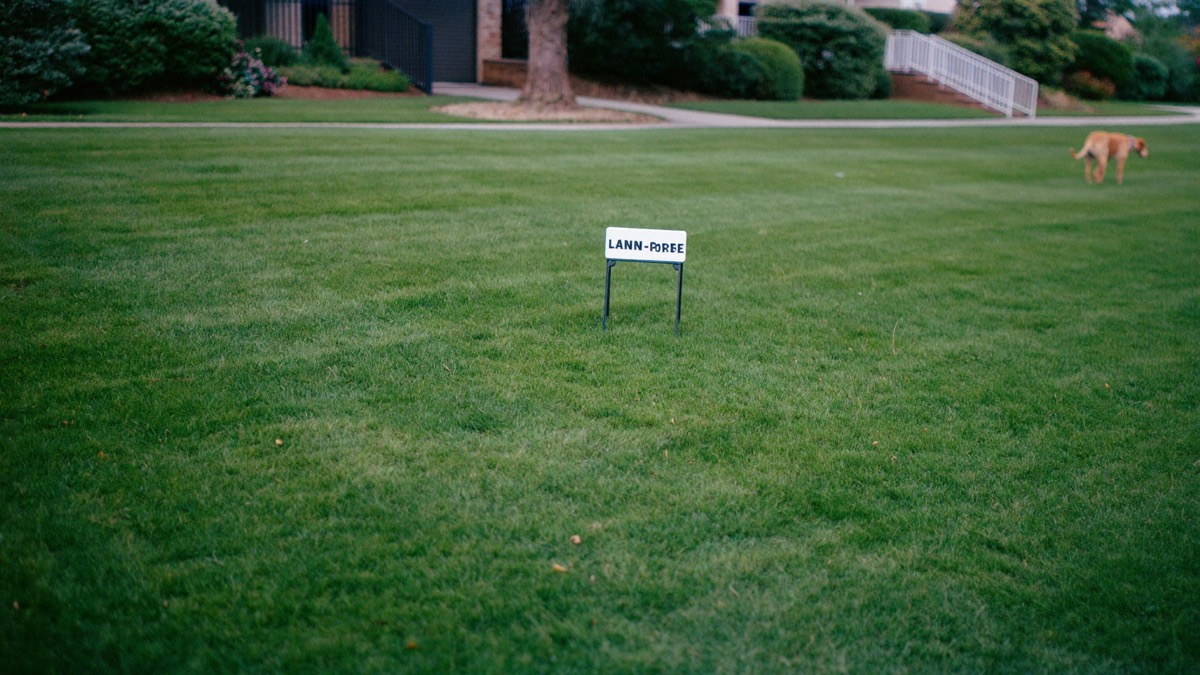
- Pesticides, herbicides, and fertilisers. Treated lawns and verges can expose grazing dogs to chemicals. In condo landscaping, parks, and roadside verges — common grazing spots in Singapore and Malaysia — you often can't know what's been sprayed. If an area looks freshly treated or is signposted, keep your dog off it.
- Toxic plants. Dogs that graze don't always stop at grass. Many common ornamentals — lilies, sago palm, dieffenbachia, oleander among them — are toxic to dogs. Check unfamiliar plants against the ASPCA's toxic plant list before letting your dog browse garden beds.
- Parasites. Grass in areas frequented by other dogs can carry parasite eggs, particularly hookworm and roundworm. Keep routine parasite prevention up to date if your dog grazes.
- Sharp or treated foreign material — mulch, cocoa mulch (toxic), and lawn debris.
If you suspect your dog has eaten a treated lawn or a toxic plant, call your vet promptly rather than waiting for symptoms.
How do I stop my dog from eating grass?
You usually don't need to stop it entirely — just manage where and how much. What works:
- Meet the need first. More physical exercise and, just as importantly, sniffing and enrichment. A dog with a full behavioural tank grazes less.
- Teach "leave it" with rewards. Mark and reward your dog for disengaging from grass, then reinforce walking on. Positive reinforcement builds a reliable response; scolding just teaches your dog to graze when you're not looking.
- Offer a safe alternative. Some owners grow a pot of untreated pet grass (wheatgrass) at home — a practical option for apartment dogs.
- Choose grazing spots deliberately. Untreated, low-traffic grass beats manicured, chemically maintained lawns.
If the grazing is compulsive or paired with any of the red flags above, skip the training plan and start with a vet visit — behaviour change works best once medical causes are ruled out.