| Quick facts | |
|---|---|
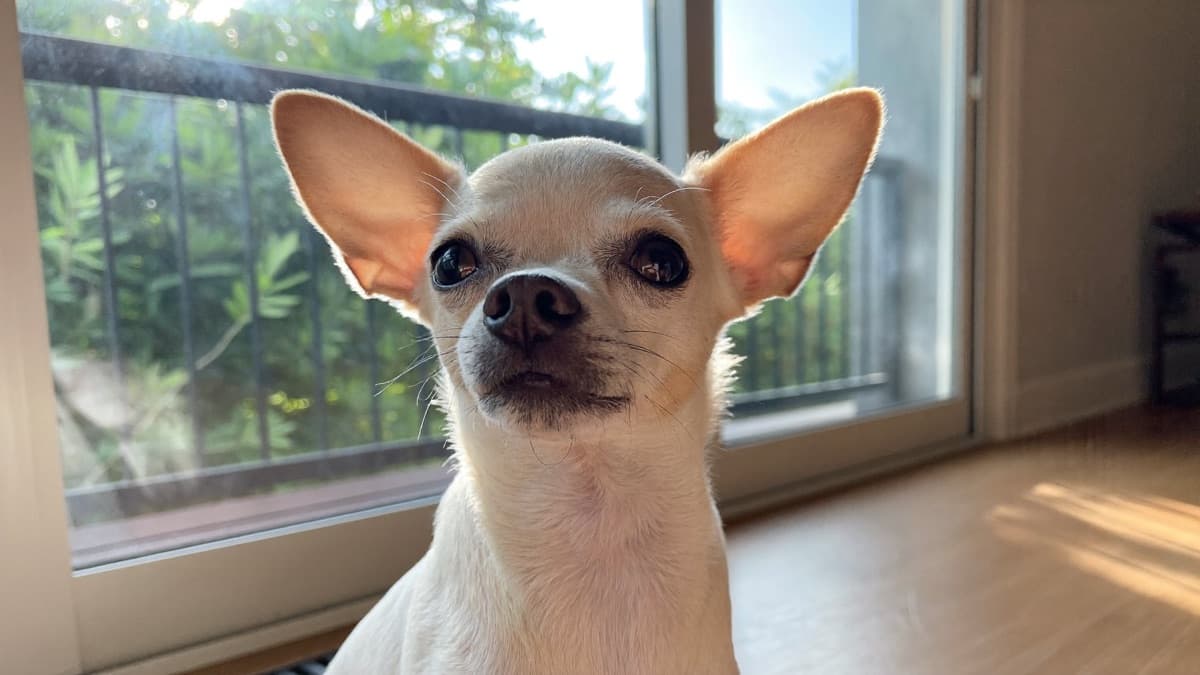
| Size | Toy (15–23 cm at the shoulder) |
| Weight | 1.5–3 kg |
| Lifespan | 14–17 years |
| Coat | Smooth or long coat; light shedding |
| Exercise | Light — 30 minutes daily plus indoor play |
| HDB-approved | Yes — verify the current AVS/HDB list |
What is a Chihuahua's temperament really like?
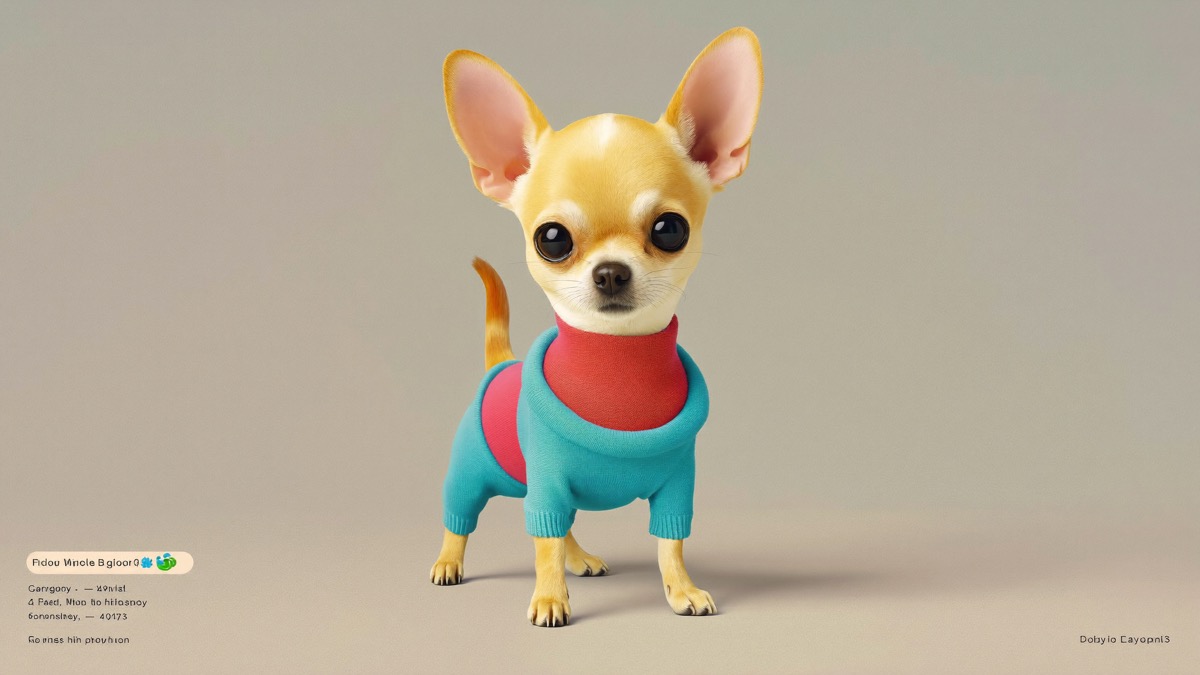
Bright, bold, and fiercely loyal. A well-raised Chihuahua is confident, trainable, and surprisingly athletic for its size — these are alert little dogs with genuine terrier-like spark, and they bond hard to their people.
Here is the honest part: the yappy, snappy "Chihuahua temperament" of popular imagination is mostly a handling artifact, not a breed trait. Because they are tiny, owners skip training, carry them past every scary thing instead of socialising them, and laugh off growling that would be corrected instantly in a bigger dog. The dog learns that escalation works and that the world is frightening. Treat a Chihuahua like a real dog — walks on its own four feet, reward-based training, calm exposure to people and dogs from puppyhood — and you get a stable, pleasant companion. Treat it like a handbag ornament and you build the stereotype yourself.
They are genuinely fragile, though. A fall from adult arms or a step from a running child can break bones, which is why most breeders will not sell to families with toddlers.
What health problems do Chihuahuas have?
Hypoglycemia in tiny puppies is the first risk new owners meet. Chihuahua puppies under about 12 weeks — especially very small ones — can burn through blood sugar faster than they replace it. A missed meal, a chill, or an exhausting play session can trigger weakness, trembling, wobbling, and in severe cases seizures or collapse. Feed small meals every three to four hours, keep the puppy warm, and if you see wobbliness or glassy-eyed lethargy, rub honey or glucose syrup on the gums and get to a vet immediately. Most puppies outgrow the risk by four to six months.
Dental disease is the breed's lifelong tax. Tiny jaws crowd full-sized teeth, and most Chihuahuas have significant periodontal disease by age three without care. Untreated, mouth bacteria seed heart and kidney problems. Daily brushing plus professional cleaning when your vet advises is the single best investment in a Chihuahua's long life.
Luxating patella — slipping kneecaps — is common, showing as a skipping hop on a back leg; severe grades need surgery, and lean body weight protects the joints. Also on the list: a soft spot on the skull (molera) in some dogs, tracheal sensitivity (use a harness, not a collar), and heart valve disease in seniors — worth a vet listening to the heart at every annual check.
When buying a puppy, be especially wary of anyone marketing "teacup" Chihuahuas. There is no such variety — it is a sales term for dogs bred below the healthy size range, and the smaller the puppy, the worse the odds on hypoglycemia, fragile bones, dental crowding, and lifespan. A normal 2 to 3 kg Chihuahua is already one of the smallest dogs on earth; paying extra for something smaller means paying extra for risk.
How much grooming does a Chihuahua need?
Very little. Smooth coats need a weekly once-over; long coats need brushing twice a week. Baths monthly, nails regularly, and teeth daily — with this breed, the toothbrush is the grooming tool that actually matters.
Can a Chihuahua live happily in Singapore or Malaysia?
Yes — this is close to the ideal high-rise breed on paper.
Apartment fit. Chihuahuas are on the HDB approved-breeds list; verify the current AVS/HDB list before committing, as it can change. Exercise needs are trivially met in a flat plus short walks. The apartment risk is under-stimulation and alarm barking — a bored Chihuahua at a front door is loud beyond its size, and training beats tolerance here.
Heat. As a short-coated, Mexico-descended breed, the Chihuahua copes with tropical warmth better than most. Walk at cooler hours anyway, provide water and shade, and remember that a body this small dehydrates and overheats faster than its heat-tolerant reputation suggests. Air-conditioned malls are not a substitute for real walks.
Who should not get a Chihuahua?
Skip this breed if you have young children, want a wash-and-go dog you never train, or will carry it everywhere instead of socialising it. If you raise one like a real dog and stay on top of teeth and knees, a Chihuahua offers fifteen-plus years of outsized devotion in the smallest possible package.