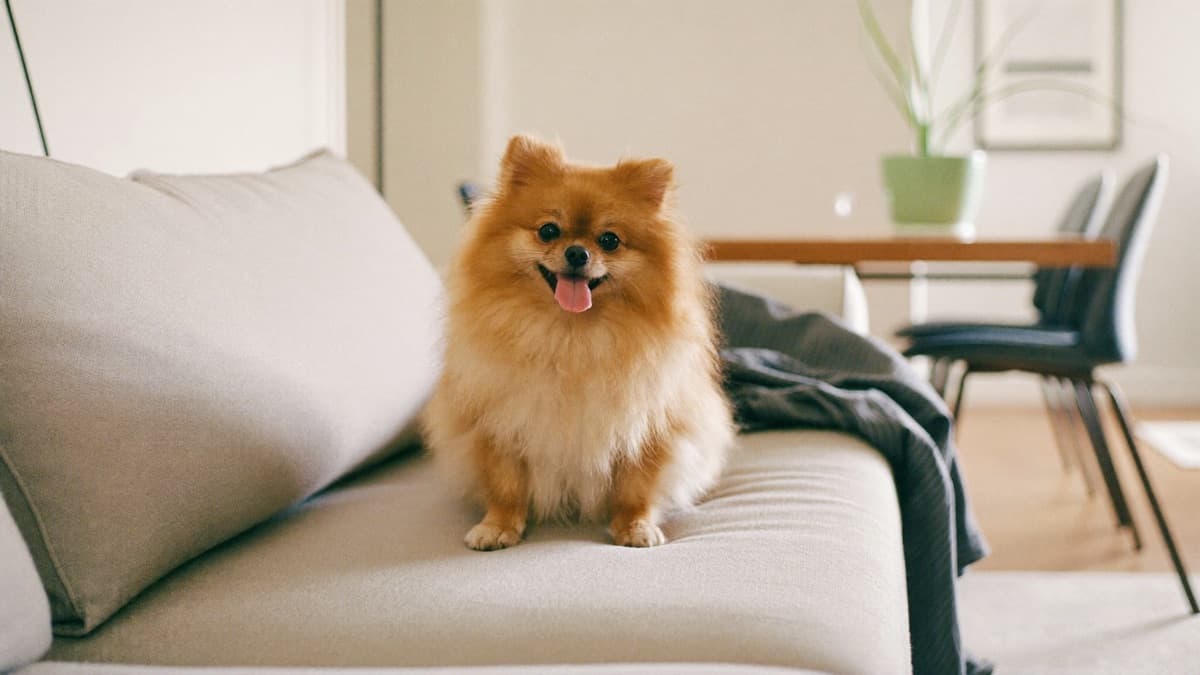
| Quick facts | |
|---|---|
| Size | Toy (18–30 cm at the shoulder) |
| Weight | 1.5–3.5 kg |
| Lifespan | 12–16 years |
| Coat | Profuse double coat; sheds year-round with heavier seasonal drops |
| Exercise | Light — 30–45 minutes daily plus indoor play |
| HDB-approved | Yes — verify the current AVS/HDB list |
What is a Pomeranian's temperament really like?
Pomeranians are bold, curious, and intensely attached to their people. They are genuinely fun dogs — quick to learn tricks, happy to follow you room to room, and small enough to thrive on indoor games plus short walks.
The hard part is the noise. Pomeranians were bred down from larger working spitz breeds and kept the alarm instinct. In a flat, that means barking at corridor footsteps, lift chimes, and neighbours' doors. This is trainable but never fully erasable, and owners who ignore it early end up with a dog that barks at everything for fifteen years. The second hard part is fragility: a Pomeranian can be injured by a fall from a sofa or an over-enthusiastic toddler, so households with small children should think carefully.
On the plus side for flat living, their exercise needs are genuinely modest. Two short walks and ten minutes of trick training or puzzle feeding satisfy most Pomeranians, and mental work does more for the barking than physical exhaustion ever will. A tired mind is a quieter mind. Teach a "quiet" cue early, reward calm at the door, and never yell at a barking Pomeranian — to the dog, you have simply joined in.
What health problems do Pomeranians have?
Two conditions dominate, and both are worth understanding before you buy.
Luxating patella — kneecaps that slip out of their groove — is common in the breed. Signs range from an occasional skipping gait to persistent lameness needing surgery. Ask any breeder whether the parents have had their patellas checked by a vet, and keep your dog lean, because excess weight makes unstable knees worse.
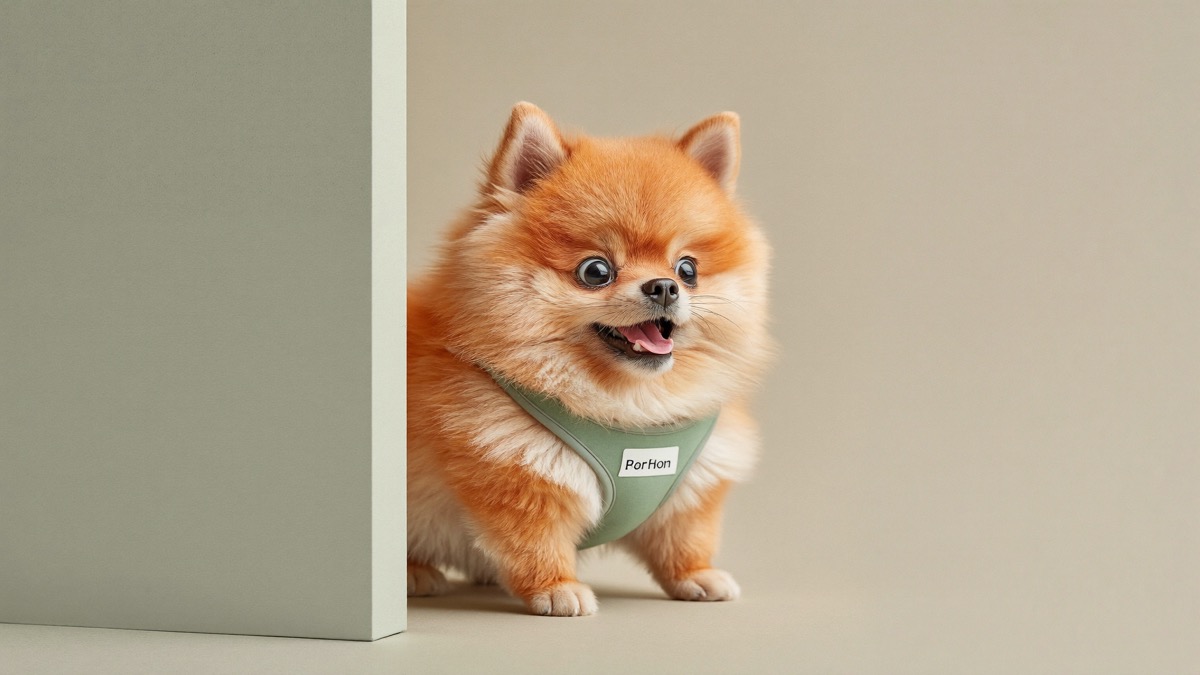
Tracheal collapse is the other signature problem. The cartilage rings of the windpipe weaken with age, producing a honking cough, especially with excitement, heat, or pressure on the neck. This is why Pomeranians should be walked on a harness, never a collar — a collar concentrates force directly on a windpipe that may already be weakening. Obesity and heat both make symptoms worse, which matters in the tropics.
Beyond those two: dental disease arrives early in tiny mouths (daily brushing pays off), some lines carry alopecia X (a cosmetic but distressing coat loss), and heart disease can appear in older dogs. Annual vet checks catch most of these early.
How much grooming does a Pomeranian need in humid weather?
That glorious coat is a real commitment. Brush thoroughly two to three times a week down to the skin — surface brushing leaves the dense undercoat to mat, and in Singapore or Malaysia's humidity, matted undercoat traps moisture against the skin and invites hot spots and fungal infections. Monthly baths with complete drying (a blow-dryer, not air-drying) keep the skin healthy.
Resist the urge to shave. A shaved double coat often grows back patchy or not at all, and the coat actually insulates against heat when kept clean and brushed. A tidy trim from a groomer every six to eight weeks is fine; a full shave-down is not.
Can a Pomeranian live happily in Singapore or Malaysia?
Yes — this is one of the best-suited breeds for high-rise tropical living, with two caveats.
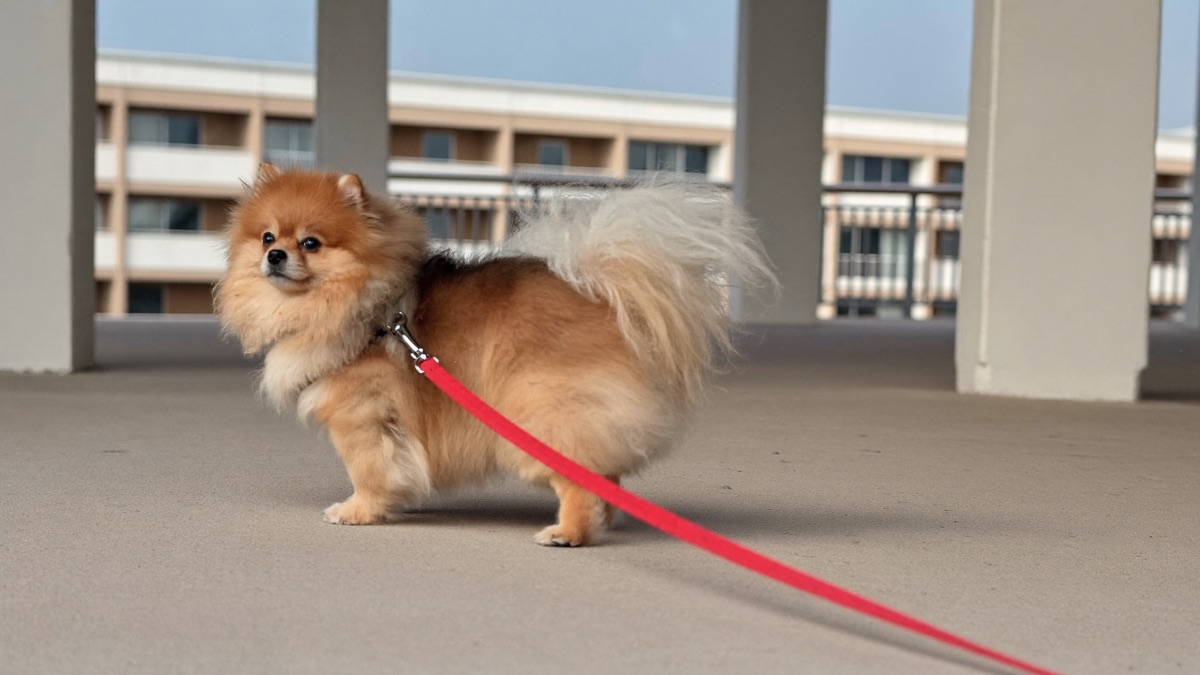
Apartment fit. Pomeranians are on the HDB approved-breeds list, and their exercise needs are easily met with short walks and indoor play. Check the current AVS/HDB list yourself before committing, as the rules are updated from time to time. The one genuine apartment problem is alarm barking through thin walls and along shared corridors — start reward-based quiet training in puppyhood and your neighbours will thank you.
Heat. Walk early morning or after sunset, carry water, and watch for the tracheal cough worsening in heat. Air-conditioning or good airflow at home helps a heavy-coated toy breed considerably. On a harness, at a sensible hour, a Pomeranian handles the tropics well.
Who should not get a Pomeranian?
Skip this breed if you cannot commit to barking management, if you have toddlers, or if regular brushing sounds like a chore you will abandon by month three. If you want a clever, devoted, long-lived companion and you go in with eyes open about knees, windpipes, and noise, a Pomeranian is a superb flat dog.
Related guides: Pomeranian price in Malaysia.