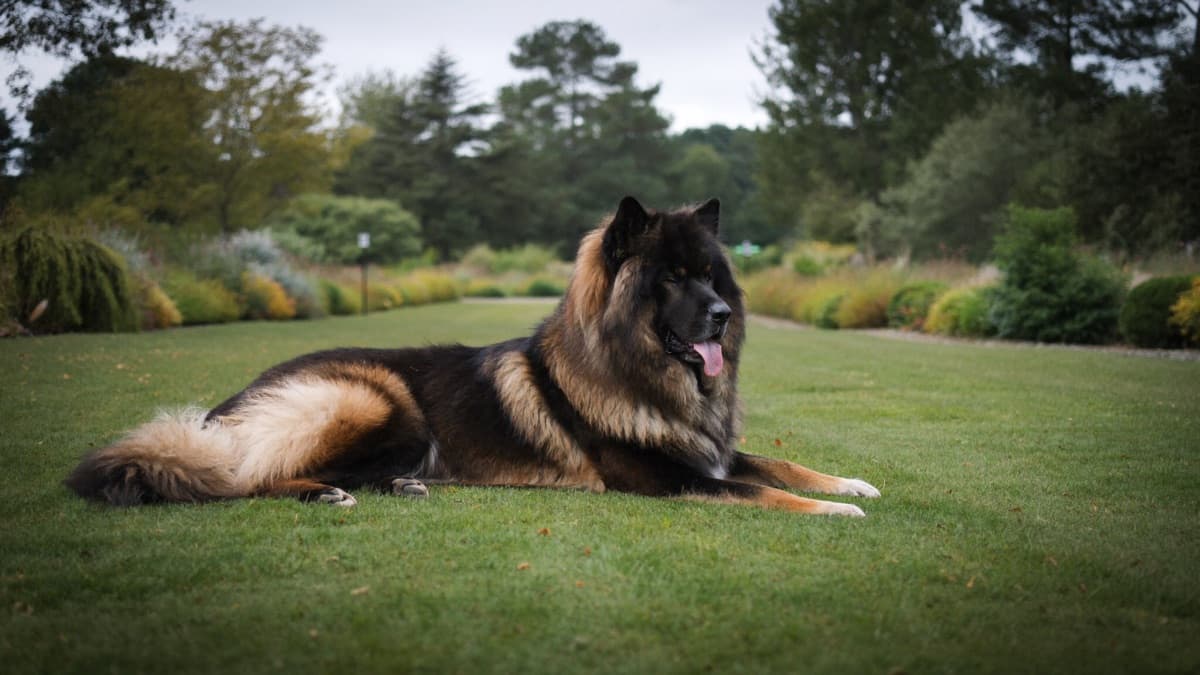
| Quick facts | |
|---|---|
| Size | Giant (61–76 cm at the shoulder) |
| Weight | 34–68 kg |
| Lifespan | 10–12 years |
| Coat | Immense double coat with heavy mane, built for Himalayan winters |
| Exercise | Moderate — 45–60 minutes daily, low intensity |
| Apartment suitability | Unsuitable; not HDB-approved in Singapore |
What is a Tibetan Mastiff's temperament like?
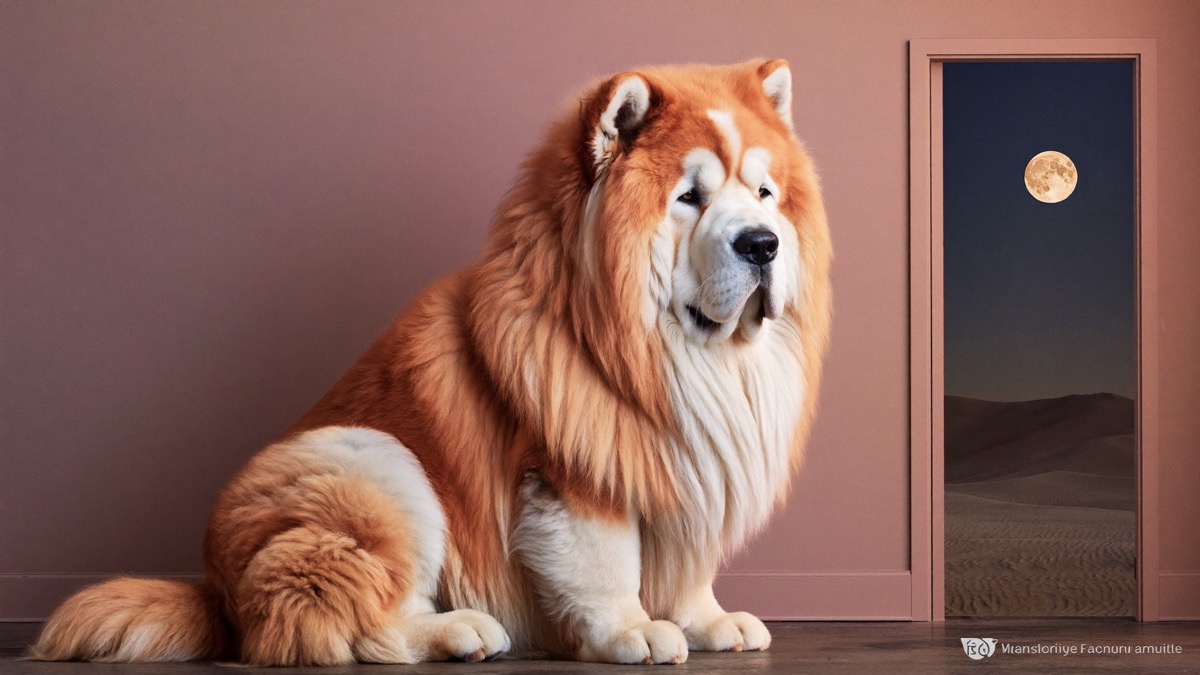
By day, a well-raised Tibetan Mastiff is calm, quiet, and almost cat-like at home — watchful, undemanding, deeply bonded to its family. But this is a guardian breed to its core. It was developed to protect flocks and monasteries without human direction, which means it is territorial, suspicious of strangers, and independent to the point of ignoring commands it sees no reason for. At night, guarding instincts sharpen: Tibetan Mastiffs are famous nocturnal barkers, a genuine problem anywhere with close neighbours.
Do not expect obedience-class results. They learn fast and then decide for themselves. Off-lead reliability is effectively zero, same-sex dog aggression is common, and visitors — especially children's friends running and shrieking — must be actively managed, because a guardian breed can misread play as threat. Socialisation from puppyhood is essential and still does not turn one into a social butterfly; it turns wariness into tolerant neutrality. That is the realistic ceiling, and the right owner is fine with it.
What health problems do Tibetan Mastiffs have?
For a giant breed the Tibetan Mastiff is comparatively hardy, but responsible breeders screen for:
- Hip and elbow dysplasia — the big one in any giant breed; insist on OFA/BVA hip and elbow scores on both parents.
- Hypothyroidism — notably common in the breed; thyroid panels on breeding stock are standard among good breeders.
- Eye disease including entropion — parents should have a current ophthalmologist eye exam.
- Inherited demyelinative neuropathy — a rare but devastating early-onset nerve disease in some lines; ask the breeder directly whether their lines have produced it.
- Bloat (GDV) and osteoarthritis are general large/giant-breed risks: know bloat's signs (unproductive retching, swelling abdomen) and keep the dog lean for life to protect its joints.
Puppies must grow slowly on a controlled large-breed diet; letting a giant puppy get fat or over-exercised builds joint disease you cannot undo.
How much grooming and exercise does a Tibetan Mastiff need?
The coat needs thorough brushing two to three times a week, escalating to daily during the annual spring coat blow, when a Tibetan Mastiff can shed a bin bag of undercoat. In humid weather, undercoat that stays damp mats and breeds skin infections, so post-rain drying matters. Never shave the double coat — it is the dog's insulation and sun protection, and it often regrows damaged.
Exercise needs are moderate and low-intensity: 45–60 minutes of patrolling-style walking daily. They are not jogging partners, and their joints should never be pounded on hot pavement. What they need more than mileage is territory, routine, and mental engagement.
Can a Tibetan Mastiff live in Singapore or Malaysia?
We will be direct: this is one of the poorest breed-climate matches possible, worse than the Samoyed on body mass alone. A dog engineered for minus-twenty-degree Himalayan nights, wearing a double coat this heavy, in a body up to nearly 70 kg, sheds heat very badly. Big dogs already dissipate heat inefficiently; add the coat and Singapore and Malaysia's year-round heat and humidity, and heat stress is a daily management problem, not an occasional one. Keeping one here honestly requires:
- Air-conditioning as the default living condition, essentially whenever the dog is indoors — which should be most of the day.
- Walks at dawn and after dark only, short and slow, watching the dog rather than the schedule.
- Never shaving the coat; manage it by stripping out undercoat with serious, regular brushing.
- Treating heatstroke as a live risk: unrelenting panting, thick drool, red gums, wobbling, or collapse means cooling with room-temperature water and an immediate emergency vet run. In a dog this size, do not attempt to manage it at home.
Housing rules make the decision for most readers. In Singapore, HDB flats permit only approved small breeds — the Tibetan Mastiff is emphatically not among them — so this is private landed housing with high, secure fencing, full stop; check the current AVS/HDB approved-breeds list and AVS licensing conditions before committing. In Malaysia, many local councils restrict or attach conditions to large and guardian breeds, so confirm your council's rules first.
Who should not get a Tibetan Mastiff?
Almost everyone reading this, frankly: apartment dwellers, first-time owners, families expecting a sociable pet, anyone without landed property, real fencing, and an air-conditioning budget. Choose one only if you have giant-guardian experience, tolerant neighbours, and genuine respect for a dog that was never bred to obey you.