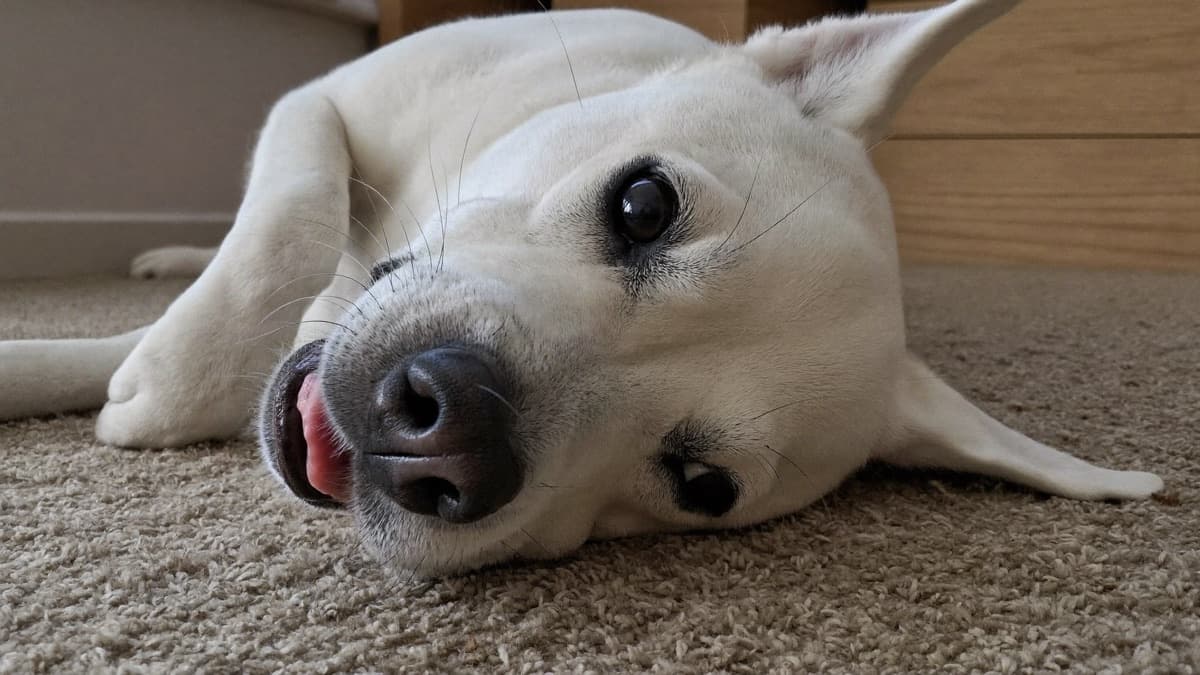
What are the three types of dog allergies?
| Environmental (atopy) | Flea allergy | Food allergy | |
|---|---|---|---|
| What triggers it | House dust mites, storage mites, mould spores, pollens | Flea saliva — one bite is enough | A protein in the diet, usually chicken, beef or dairy |
| Typical signs | Paw licking and chewing, face rubbing, armpit/groin redness, recurrent ear infections | Intense itch over the rump, tail base and back legs; scabby "hot spots" | Itchy skin plus recurrent ear infections; soft stool or gas in about a third of cases |
| Seasonality | Seasonal in temperate countries; in SG/MY, year-round because dust mites never die back | Year-round in the tropics — fleas breed continuously | Year-round, unrelated to environment |
| Typical onset | 6 months – 3 years old | Any age | Any age, including under 1 year |
| Key clue | Itch improves on steroids/Apoquel but returns; pattern hits paws, face, ears | Itch concentrated on the back half of the dog | Itch continues despite good flea control and doesn't fluctuate |
Dogs can have more than one — a dust-mite-allergic dog with poor flea control is a common and miserable combination. Each allergy lowers the threshold for the next.
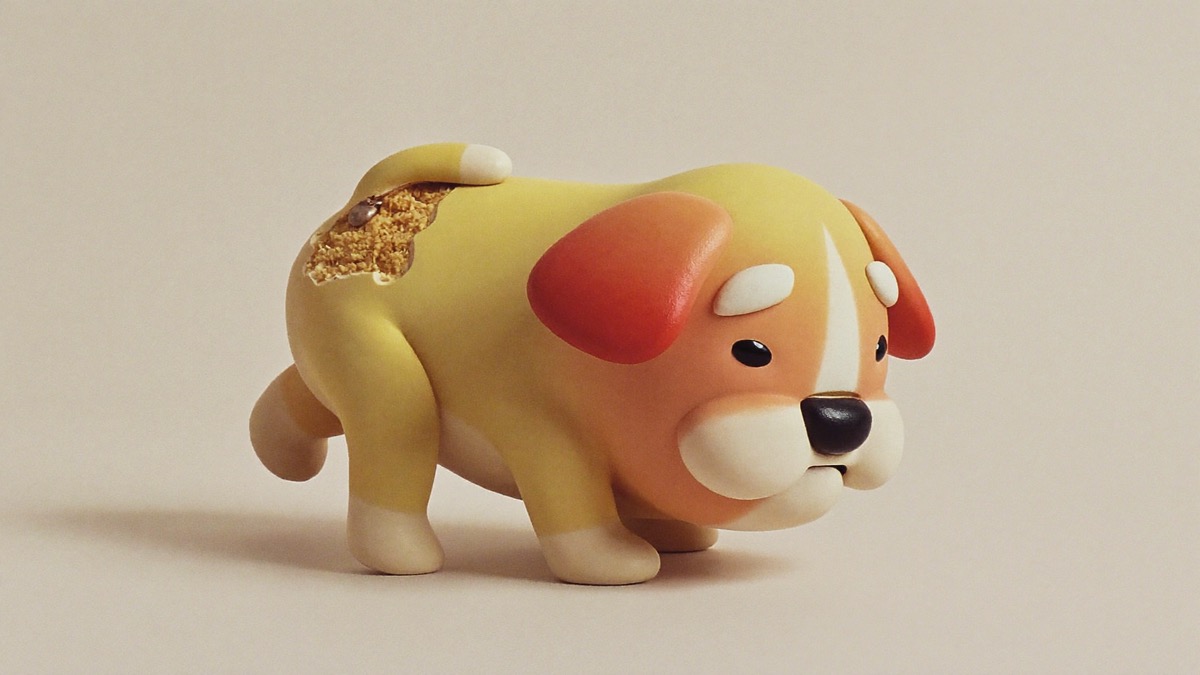
Why "seasonal allergies" don't work the same way in Singapore and Malaysia
Overseas guides talk about pollen seasons and winter relief. In the tropics, an atopic dog gets no off-season: dust mites breed continuously indoors (aircon and mattresses included), moulds flourish in the humidity, and fleas reproduce all twelve months. If your dog's itch waxes and wanes here, think flea control lapses, secondary skin infections, or ear flare-ups — not seasons. Our guide to dog skin problems in a humid climate covers the infection side.
How do vets diagnose dog allergies?
Diagnosis is a process of elimination, in this order:
- Rule out fleas and mites first. Strict flea prevention for 8–12 weeks, treating all pets in the home. Many "allergy" cases resolve right here.
- Treat secondary infections. Yeast and bacterial infections itch on their own and mask the underlying picture.
- Elimination diet for food allergy. Eight weeks on a hydrolysed or novel-protein diet and nothing else, then re-challenge. This is the only valid food allergy test — blood, saliva and hair tests for food are not validated and are not recommended, whatever the pet shop or online lab says. Full walkthrough in our food allergies guide.
- Atopy is what's left. If a dog is still itchy with fleas excluded, infections cleared and diet trialled, the diagnosis is environmental allergy. Intradermal or blood allergen testing is then used — not to diagnose, but to select allergens for immunotherapy.
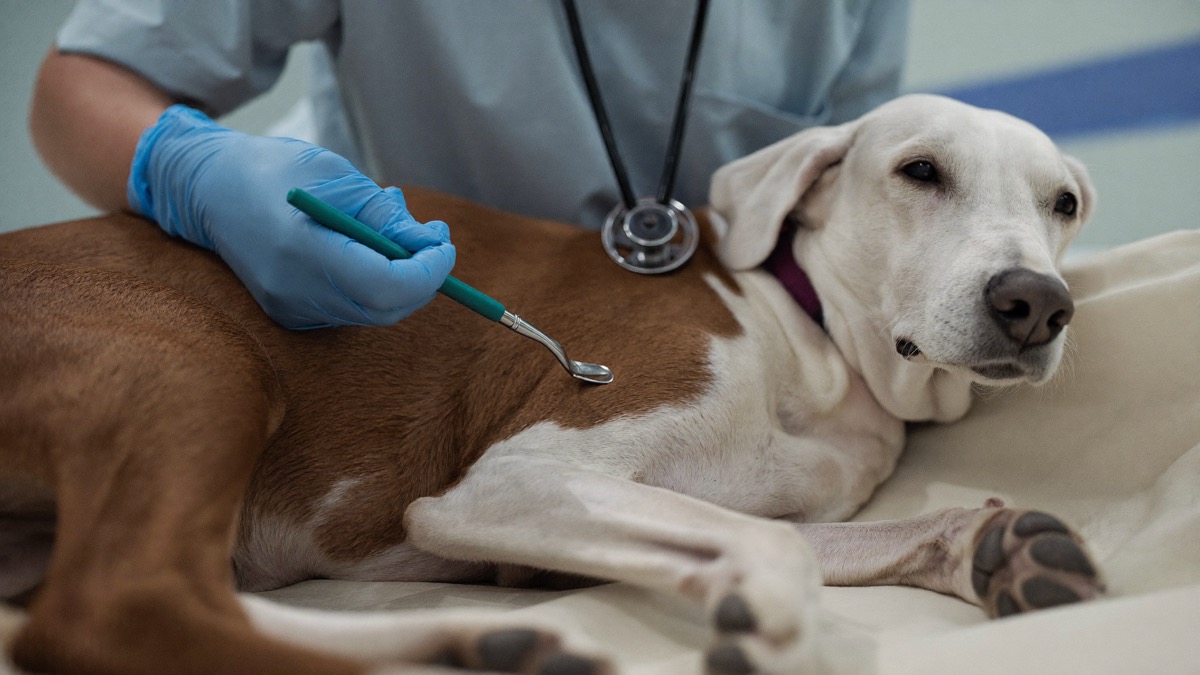
What is the treatment ladder for dog allergies?
- Flea prevention, every pet, every month, forever. Non-negotiable foundation in the tropics.
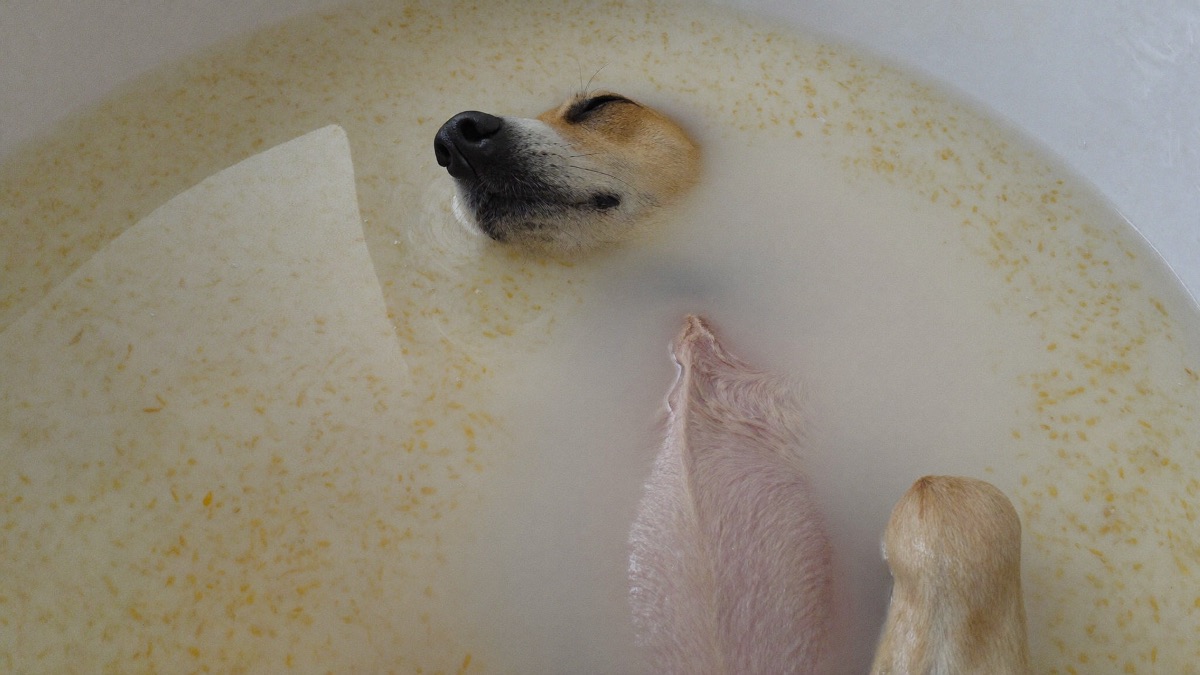
- Medicated and soothing shampoos. Weekly chlorhexidine or oatmeal-based baths reduce allergen load and control secondary infection.
- Antihistamines. Cheap and safe, but evidence is weak — they help perhaps 1 in 5 mildly itchy dogs. Reasonable to trial, wrong to rely on. Never use combination human products (decongestants are toxic to dogs).
- Oclacitinib (Apoquel) and lokivetmab (Cytopoint). The modern mainstays — fast, effective itch control for atopy. Apoquel is a daily tablet; Cytopoint is an injection lasting 4–8 weeks.
- Ciclosporin (Atopica). Effective for long-term control; slower onset, occasional stomach upset.
- Allergen-specific immunotherapy. The only treatment that modifies the disease rather than masking it. Custom vaccine based on test results; 60–70% of dogs improve over 6–12 months.
How much does allergy treatment cost in Singapore and Malaysia?
As of 2026, expect roughly:
| Item | Singapore | Malaysia |
|---|---|---|
| GP vet consult | S$50–90 | RM80–200 |
| Monthly flea/tick prevention | S$20–35 | RM40–90 |
| Apoquel (per month, medium dog) | S$90–160 | RM200–400 |
| Cytopoint injection (per dose) | S$100–200 | RM250–500 |
| Hydrolysed diet trial (8 weeks) | S$250–450 | RM500–900 |
| Allergy testing (intradermal/serology) | S$400–800 | RM800–1,600 |
| Immunotherapy (first year) | S$1,000–2,000 | RM2,000–4,000 |
A dermatology referral costs more but often saves money overall by shortcutting months of trial and error — the Singapore Veterinary Association's clinic directory lists practices, and in Malaysia the Department of Veterinary Services governs licensed clinics.
When should you see a vet about dog allergies?
Book a visit when itching lasts beyond two weeks, when skin is broken, smelly or darkening, or when ears are involved — recurrent ear infections are allergy until proven otherwise. For home care while you wait, see our guide to dog itching remedies, and remember the sequencing: fleas first, food second, atopy is the diagnosis that remains.