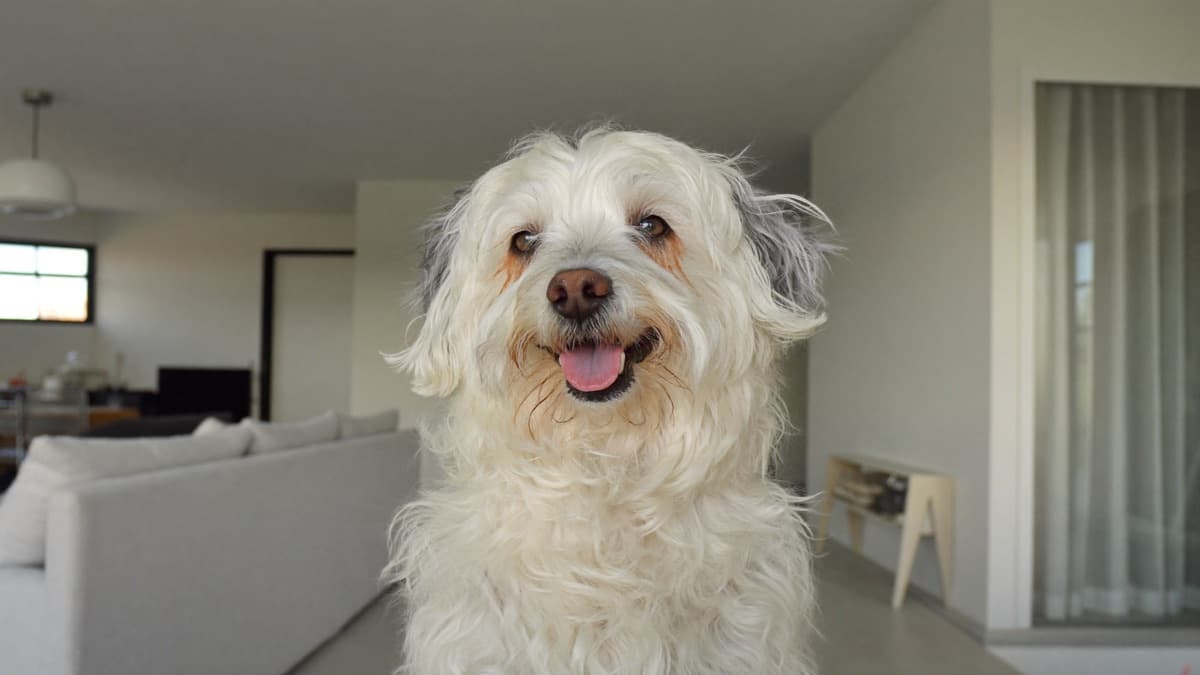
Why do white dogs get tear stains?
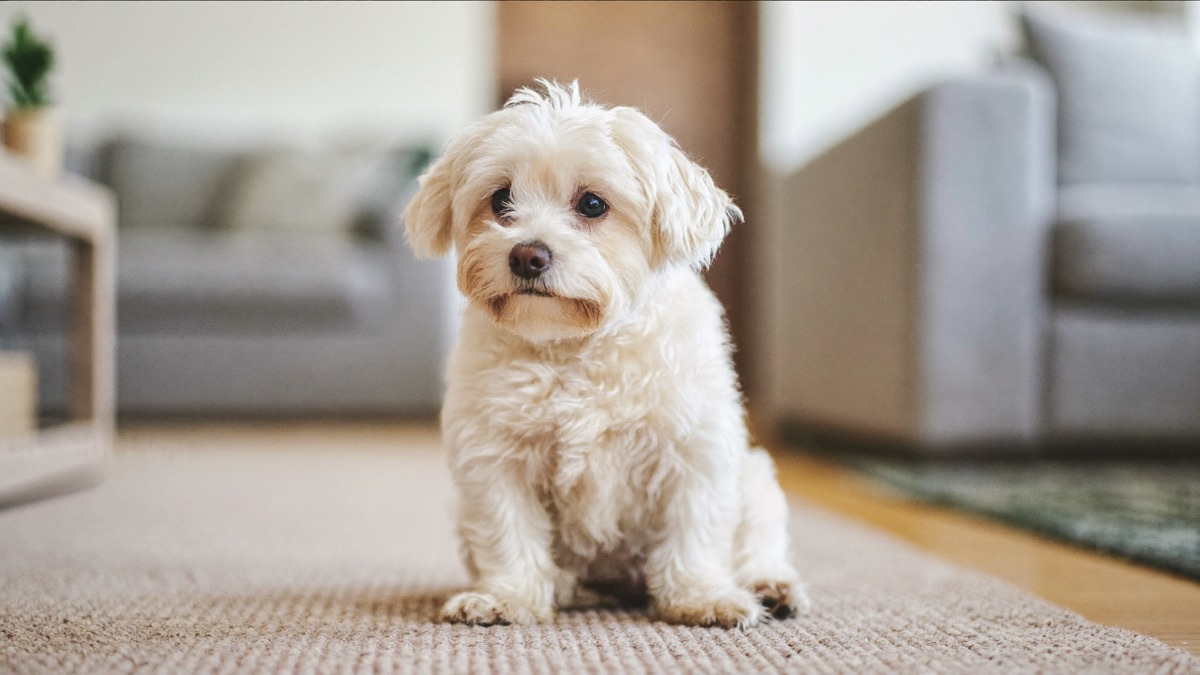
All dogs produce porphyrins; they're a normal by-product of breaking down red blood cells, excreted partly through tears and saliva. When tears sit in the fur under the eye, the porphyrins oxidise and dye the hair reddish-brown — the same reason a licked paw or a drooled-on chest can turn rusty. On a black or brown coat this is invisible. On a Maltese, Bichon, Westie, or white Poodle or Shih Tzu, it's a permanent-marker stripe.
Two things decide how bad the staining gets. First, how much tear overflow there is: small flat-faced and toy breeds often have shallow eye sockets, crowded tear ducts, and fur that wicks tears out of the eye, so tears run down the face instead of draining through the duct to the nose. Second, how long the fur stays wet: in Singapore and Malaysia's humidity, a damp face simply never dries out, which deepens the stain and lets yeast move into the soggy fur — that's the funky smell some stained faces develop. Stained fur cannot be bleached back to white; the pigment is in the hair shaft. Your only levers are less overflow, drier fur, and time for clean coat to grow through.
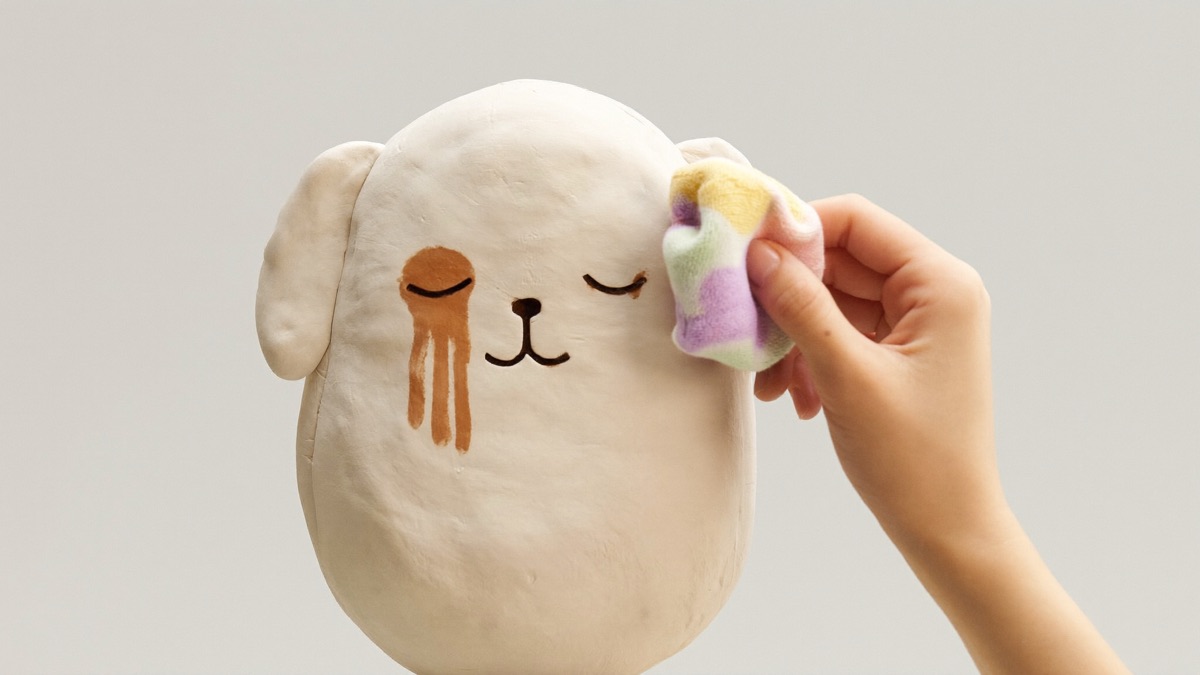
What daily routine actually works?
- Wipe once or twice a day with a soft cloth or cotton pad dampened with warm water or a dog-safe eye wipe. You're removing tears before the pigment oxidises and sets — this is the entire secret.
- Dry the area after wiping. Damp fur is the problem; don't leave it damper.
- Keep the fur under the eyes trimmed short. Long face fur wicks tears sideways and holds moisture. Ask your groomer for a tidy trim around the eyes at every session — a standing request at most salons here; see our grooming guide for Singapore and Malaysia.
- Be patient. With overflow controlled, expect visibly whiter fur in four to eight weeks as stained hair grows out or gets trimmed off — not days.
Do food and water bowls matter?
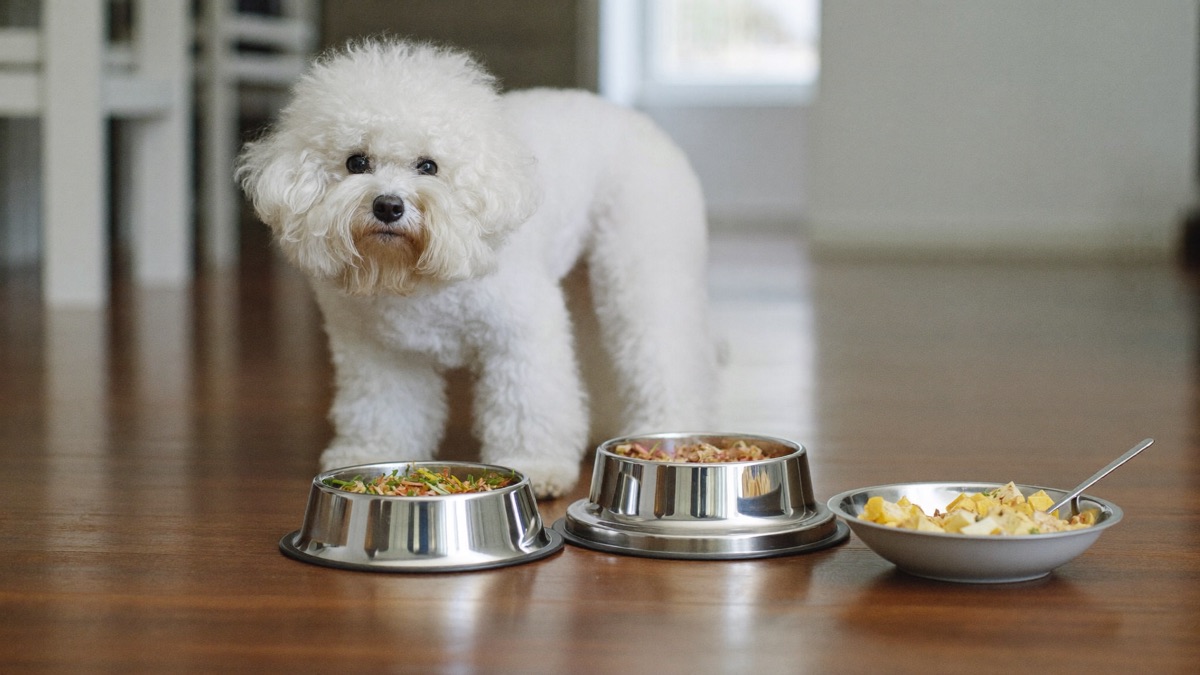
Modestly, and mostly for the chin rather than the eyes. Plastic bowls scratch over time, and the scratches harbour bacteria that can irritate skin and worsen chin staining — stainless steel or ceramic bowls, washed daily, are a cheap fix. Keeping the beard and face dry after drinking helps the same way the eye wipe does.
 Claims that filtered or bottled water dramatically cuts tear staining are anecdotal; there's no good evidence tap water in Singapore or Malaysia causes stains, so don't spend money there expecting a transformation.
When does tearing mean an eye problem?
Tear stains are a plumbing-and-fur issue. New, sudden, or one-sided tearing is a medical question, because the eye may be watering for a reason: a blocked tear duct, an ingrown eyelash or in-rolled eyelid rubbing the surface, allergies, infection, or a corneal scratch. See a vet promptly — same day if the eye is also red, squinting, pawed at, or producing thick yellow-green discharge rather than clear tears. Our guide to red eyes in dogs covers the sorting rule: a watery eye that is also painful is a same-day problem. Fixing the underlying cause often ends the staining permanently, which no wipe can do.
What works and what's a myth?
| Approach | Verdict |
|---|---|
| Daily wiping + drying | Works — the core routine |
| Trimming fur under the eyes | Works — less wicking, less held moisture |
| Stainless/ceramic bowls, washed daily | Sensible, helps chin staining |
| Antibiotic-laced "tear stain" products | No — never use antibiotics cosmetically |
| Hydrogen peroxide or bleach near eyes | Never — one flinch from a corneal burn |
| Apple cider vinegar in water | Myth — no evidence, can put dogs off drinking |
| Filtered water transformations | Unproven — cheap to try, expect little |
The antibiotic point deserves the strong wording: some overseas tear-stain powders historically contained low-dose antibiotics such as tylosin. Using antibiotics long-term for a cosmetic issue breeds resistant bacteria and can upset your dog's gut — and regulators have moved against these products for exactly that reason. No reputable vet in Singapore or Malaysia will prescribe antibiotics to whiten fur, and any product that won't declare its ingredients doesn't belong on your dog's face. If staining bothers you enough to medicate, that's the cue to have a vet check why the eyes are overflowing instead.