What causes bad breath in dogs?
Think of it as a ladder, from overwhelmingly common to rare but serious:
- Plaque and periodontal disease — the vast majority. Bacterial films on the teeth and under the gums produce volatile sulphur compounds: the rotten, sour, or fishy smell owners describe. More than 80% of dogs have dental disease by age three, so this is always the first suspect.
- Something trapped in the mouth. A stick fragment wedged across the palate, a bone shard, or hair matted around a tooth rots quickly and smells dramatic.
- Puppy teething breath. Mildly sour breath between roughly 3 and 6 months as baby teeth loosen and gums inflame. Normal, temporary, and gone once adult teeth erupt.
- Diet and scavenging. Fish-based diets, coprophagia (eating faeces), and raiding the bin all produce transient odours that follow the menu.
- Systemic disease. Kidney failure, liver disease, and uncontrolled diabetes each change the breath in characteristic ways — see the table below.
- Oral tumours. In older dogs, a persistent foul smell with bloody saliva or a visible mass warrants urgent attention.
What do different breath smells mean?
| Smell | Likely source | Urgency |
|---|---|---|
| Rotten, sulphurous, sour | Periodontal disease, trapped object | Book a dental exam within days |
| Fishy | Periodontal disease or licked anal gland secretions | Vet exam; check both ends |
| Sweet, fruity, acetone (nail-polish remover) | Diabetes, possibly ketoacidosis | Same-day vet, especially with thirst and weight loss |
| Ammonia, urine-like | Advanced kidney disease | Prompt vet visit and bloodwork |
| Musty or foul with vomiting, yellow gums | Liver disease | Prompt vet visit |
| Mildly sour in a 3-6 month puppy | Teething | Normal; monitor |
The acetone and ammonia rows are worth memorising. Owners routinely notice these smells weeks before diagnosis and dismiss them as dental — a sniff at the water bowl end of the dog is genuinely one of the cheapest screening tests in medicine.
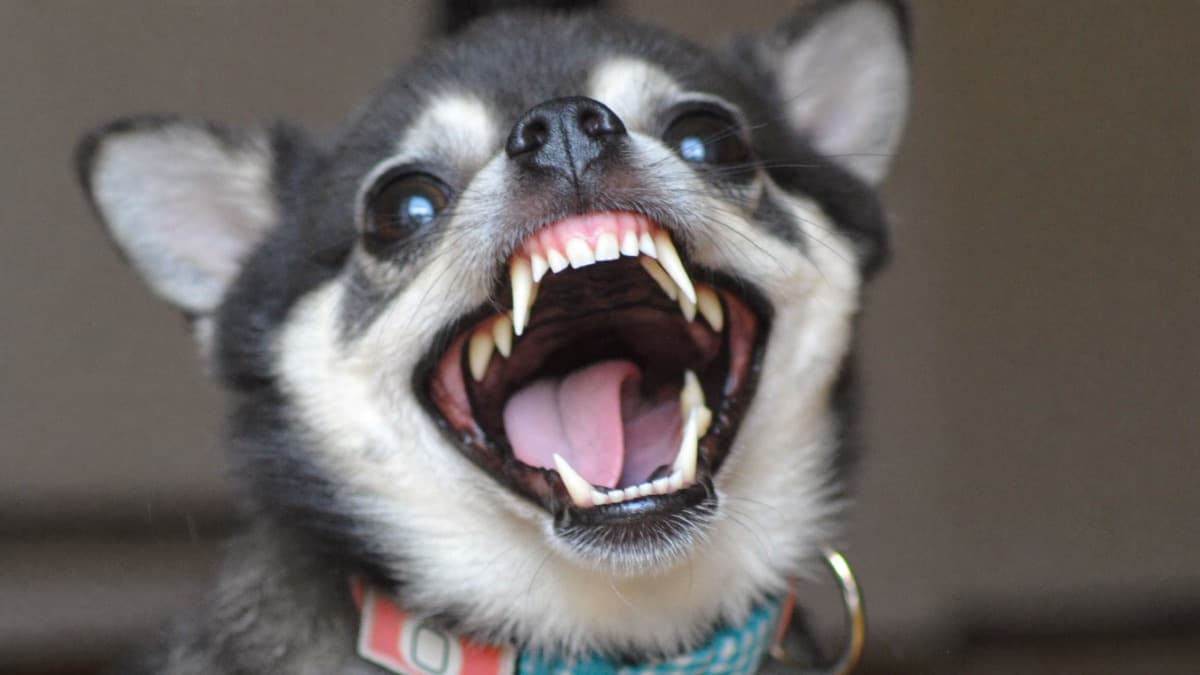
Small breeds deserve a special mention here. Chihuahuas, Toy Poodles, Malteses, Shih Tzus, and similar dogs have crowded teeth in tiny jaws and develop periodontal disease earlier and faster than large breeds — many need their first professional cleaning by age two or three. If you own a small breed and the breath has turned, assume dental disease until a vet says otherwise.
When is bad breath a vet visit?
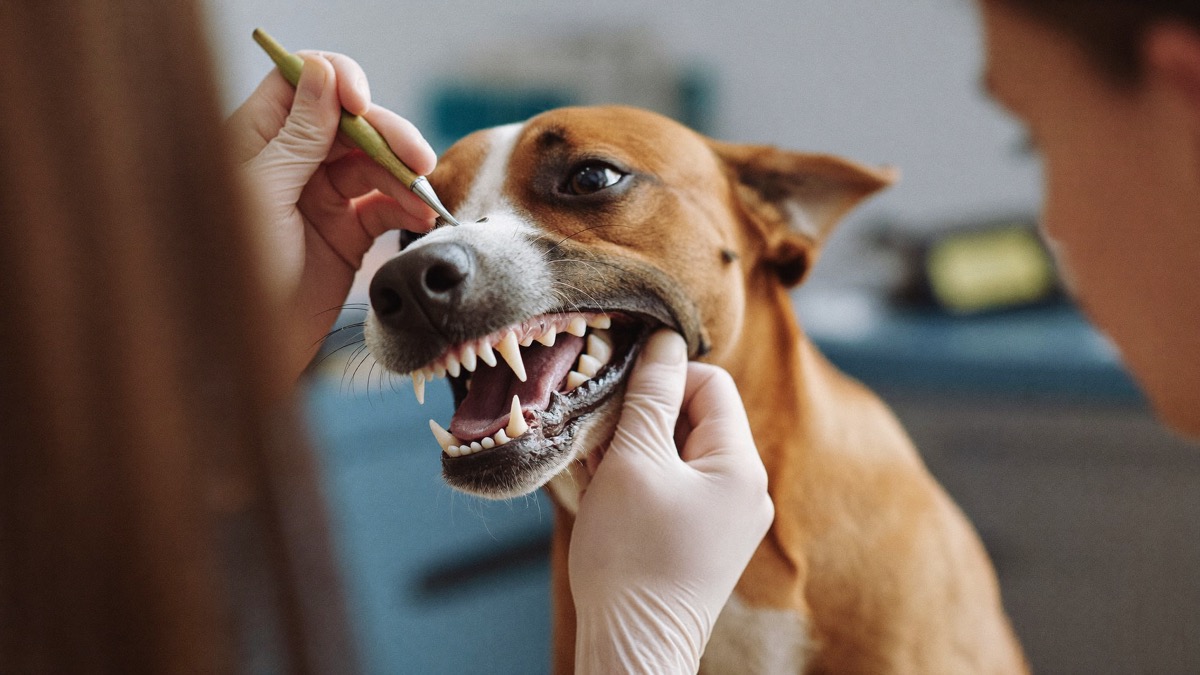
Book promptly if bad breath comes with any of these: drooling, pawing at the mouth, dropping food, chewing on one side, bleeding gums, facial swelling, a sweet or ammonia odour, increased thirst and urination, vomiting, weight loss, or yellow-tinged gums or eyes. Book soon regardless if the smell is persistent — chronic halitosis in an adult dog essentially always means disease somewhere. Clinics across Singapore are listed in the Singapore Veterinary Association directory; in Malaysia, the Department of Veterinary Services oversees veterinary practice nationally.
What actually fixes bad breath?
The fixes that work all address cause, not smell:
- A professional dental assessment and cleaning under anaesthesia. For established periodontal disease this is the only real reset — scaling below the gumline, X-rays, and extraction of dead teeth. Breath change afterwards is usually dramatic and immediate.
- Daily tooth brushing. The single most effective home measure, because it removes plaque before it mineralises. Dog toothpaste only — never human paste.
- VOHC-accepted chews, diets, and water additives. Products carrying the Veterinary Oral Health Council seal have trial evidence behind their plaque or tartar claims. Useful as a supplement to brushing.
- Treating the underlying disease when breath is systemic: insulin for diabetes, staged management for kidney or liver disease.
What are the gimmicks?
Breath sprays, mint-flavoured treats, parsley biscuits, and charcoal supplements mask odour for an hour and treat nothing. Non-VOHC water additives are a lottery. Anaesthesia-free "dental cleaning" deserves special mention: scraping visible tartar off an awake dog whitens the crowns while the disease continues under the gumline — the breath comes back because the rot never left. If a product's pitch is fresher breath rather than less plaque, it's a deodorant, not a treatment. Spend the money on a toothbrush and a proper dental instead.