Go to a vet now if any of these are true
- A head tilt, loss of balance, circling, or flicking eye movements — signs the infection has reached the middle or inner ear.
- A hot, swollen, obviously very painful ear, or a dog that cries or snaps when the ear is touched.
- A soft, puffy swelling of the ear flap itself — an aural haematoma from violent head shaking, which needs treatment in its own right.
- Facial drooping on the same side as the bad ear.
- Fever, lethargy, or refusal to eat alongside ear signs.
- Bleeding from the ear canal.
None of those? A smelly, itchy, discharging ear is still a book-within-a-few-days problem — ear infections are genuinely painful and only ever escalate. If you need a clinic, the Singapore Veterinary Association's directory of vet centres covers the island; in Malaysia, veterinary practice is overseen nationally by the Department of Veterinary Services.
What are the signs of an ear infection?
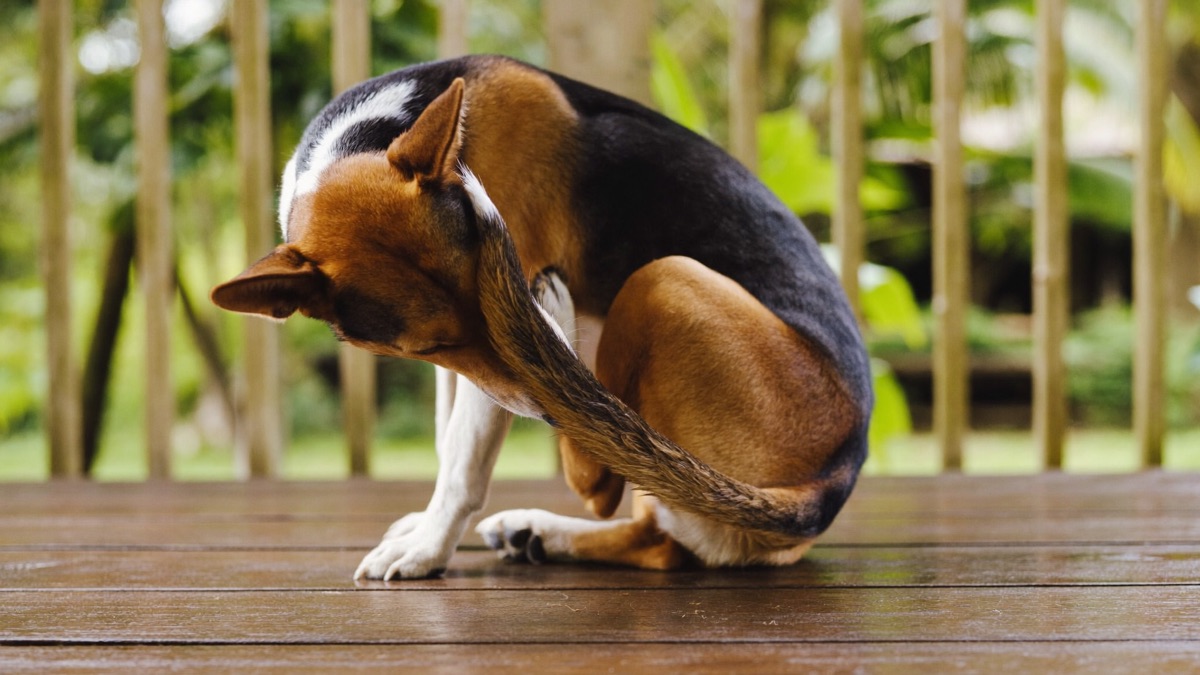
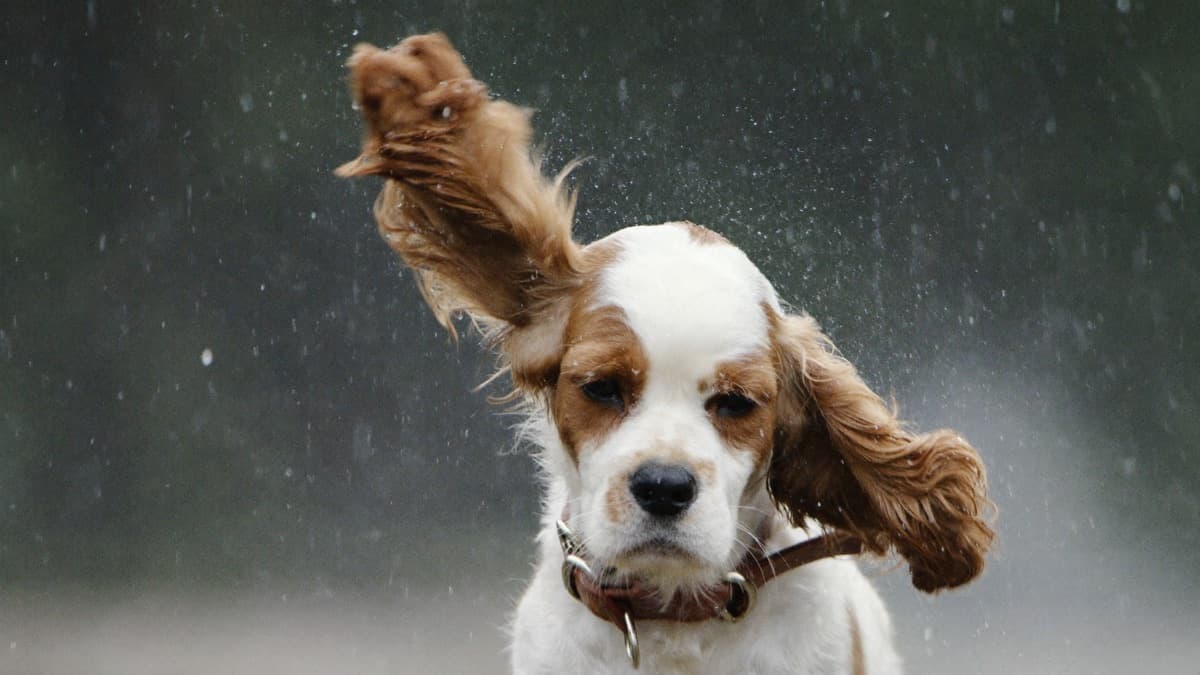
- Head shaking and scratching at one or both ears — usually the first thing owners notice
- A smell: musty (yeast) or foul (bacteria)
- Discharge: dark brown and waxy, or yellow-green pus
- Red, inflamed skin inside the flap; the canal may look narrowed or wet
- Rubbing the head along furniture or carpet
- Whining when the ear is touched; reluctance to be patted on that side
Why does my dog keep getting ear infections?
Because the conditions that caused the first one usually haven't changed:
- Anatomy. Floppy ears (Cockers, Goldens, Labs, Basset Hounds) trap heat and moisture; hairy canals (Poodles, Shih Tzus) hold debris.
- Water. Swimming and baths leave water pooled at the bottom of that L-shaped canal.
- Climate. In equatorial humidity, ears may never fully dry between insults. Vets in Singapore and Malaysia see chronic otitis constantly for exactly this reason — the "drying-out season" other countries get simply doesn't arrive.
- Allergies — the big hidden driver. In dogs with recurring ear infections, underlying skin allergy (environmental or food) is the most common root cause. The allergy inflames the canal; microbes exploit it. If your dog has had three or more ear infections, ask your vet about allergy workup, because treating each infection without addressing the allergy is a subscription, not a cure.
- Ear mites — mainly in puppies and outdoor cats' housemates, producing crumbly, coffee-ground debris.
Yeast or bacteria — does it matter?
Yes, because treatment differs. Yeast (Malassezia) infections are the classic humid-climate offender: musty smell, brown waxy discharge, maddening itch. Bacterial infections often follow — sometimes with resistant organisms like Pseudomonas in chronic ears — bringing pus and pain. Many infected ears carry both. Your vet identifies the culprits with an otoscope exam plus a swab under the microscope, and picks drops that actually target what's growing. This is also why leftover medication from the last episode is a gamble: wrong drug, wrong microbe, and some drops cause deafness if the eardrum has ruptured.
Why can't I use cotton buds?
The canal turns a corner your cotton bud can't. Pushing one in compacts wax and debris against the eardrum, inflames the canal lining, and risks rupturing the drum outright. Nothing smaller than your finger wrapped in gauze should ever go into a dog's ear — and even that only cleans the part you can see. Fluid cleaners do the deep work: they flush the horizontal canal and float debris out for the dog to shake free.
What will the vet do — and how do I prevent the next one?
Expect an otoscope exam (checking the eardrum is intact), a swab, a proper clean, and prescription drops, sometimes with anti-inflammatories; severe or resistant ears may need sedation for a deep flush, or culture. Finish the full course and go back for the recheck even if the ear looks perfect — ears that look cured often aren't, and stopping early breeds resistant infections.
Then, prevention — which in a humid climate is a permanent routine, not a phase:
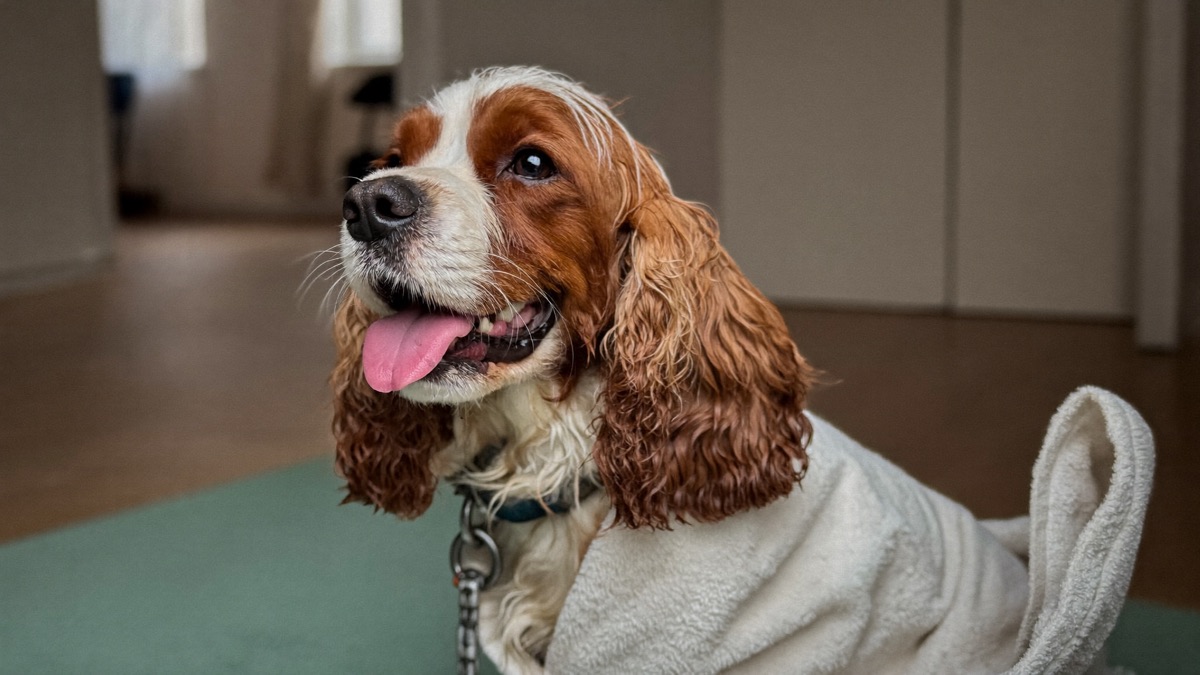
- Dry the ears after every swim, bath, and heavy rain walk — blot the flap and opening with a towel or cotton pad (never a bud).
- Use a vet-recommended drying ear cleaner after water exposure and on a maintenance schedule your vet sets — typically every one to two weeks for ear-prone dogs. Fill, massage the base until it squelches, let the dog shake, wipe away what surfaces.
- Treat the allergy if there is one — the single biggest factor in ending the repeat cycle.
- Sniff the ears weekly. Healthy ears smell like nothing. The day they don't, you've caught the next one early.
For ears that relapse despite all of this, ask about referral — the Singapore Veterinary Association maintains a list of veterinary specialists practising locally, and chronic ears are exactly what dermatology referrals exist for.