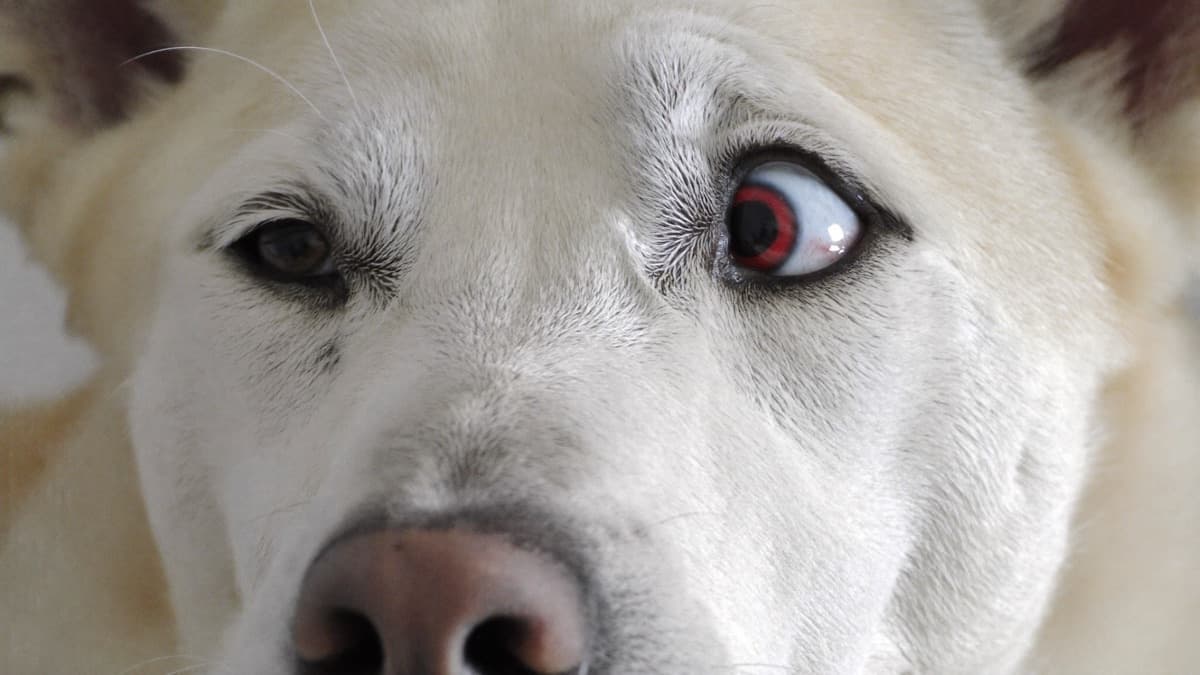
Go to a vet now if any of these are true
- Squinting or holding the eye shut. Red plus painful = same-day vet, every time.
- A cloudy, blue-grey, or bulging eye — with redness, this is the classic picture of glaucoma, which can cause permanent blindness within 24–48 hours.
- The pupil looks a different size from the other eye, or the eye seems enlarged.
- A visible wound, dent, or crater on the eye's surface, or a suspected scratch (cat swipe, thorny plant, rough play).
- Sudden vision loss — bumping into furniture, hesitating at stairs.
- Green or yellow discharge with a painful eye.
- Something stuck in or behind the eyelid — flush gently with sterile saline only; never pick at the eye.
- Chemical exposure (shampoo, cleaning spray): flush with saline or clean water for several minutes, then go in.
If in doubt, treat it as urgent. An eye exam is quick and cheap compared with losing an eye. In Singapore or Malaysia, call your nearest 24-hour emergency vet immediately — the Singapore Veterinary Association's vet centre directory is a quick way to find one if you're new to an area.

Probably fine to monitor briefly
- Mild pinkness of the white of the eye or inner eyelids in a dog that is wide-eyed, comfortable, and behaving normally — especially after a dusty walk, a windy car ride, or a swim.
- A small amount of clear tearing with no squinting.
- Both eyes mildly red and itchy during a known allergy flare, in a dog already seen by a vet for allergies.
- Mild redness in both eyes during a regional haze episode — smoke particles irritate canine eyes just as they do ours. Keep the dog indoors with the air filtered, skip outdoor exercise until the air clears, and treat any squinting or discharge as a red flag, not haze.
"Monitor" means 24 hours at most. If redness persists, worsens, or is joined by any red-flag sign, book in.
What causes red eyes in dogs?
- Conjunctivitis — inflammation of the pink tissue lining the lids. Causes include allergies, irritants, and bacterial or viral infection. Usually both lids look puffy and there is discharge; it is uncomfortable rather than agonising, but still needs a vet to identify the cause.
- Allergies — dogs with environmental allergies often have mildly red, itchy eyes alongside itchy skin, paws, and ears. Typically affects both eyes.
- Dry eye (keratoconjunctivitis sicca) — the tear glands stop producing enough tears, leaving a red eye with thick, gluey, mucoid discharge. Common in Westies, Cocker Spaniels, Shih Tzus, and Pugs. Untreated, it scars the cornea; diagnosed with a one-minute tear test.
- Cherry eye — the tear gland of the third eyelid pops out at the inner corner as a distinctive pink lump. Common in bulldogs, beagles, and Shih Tzus. Needs surgery to tuck the gland back in (removal causes dry eye later).
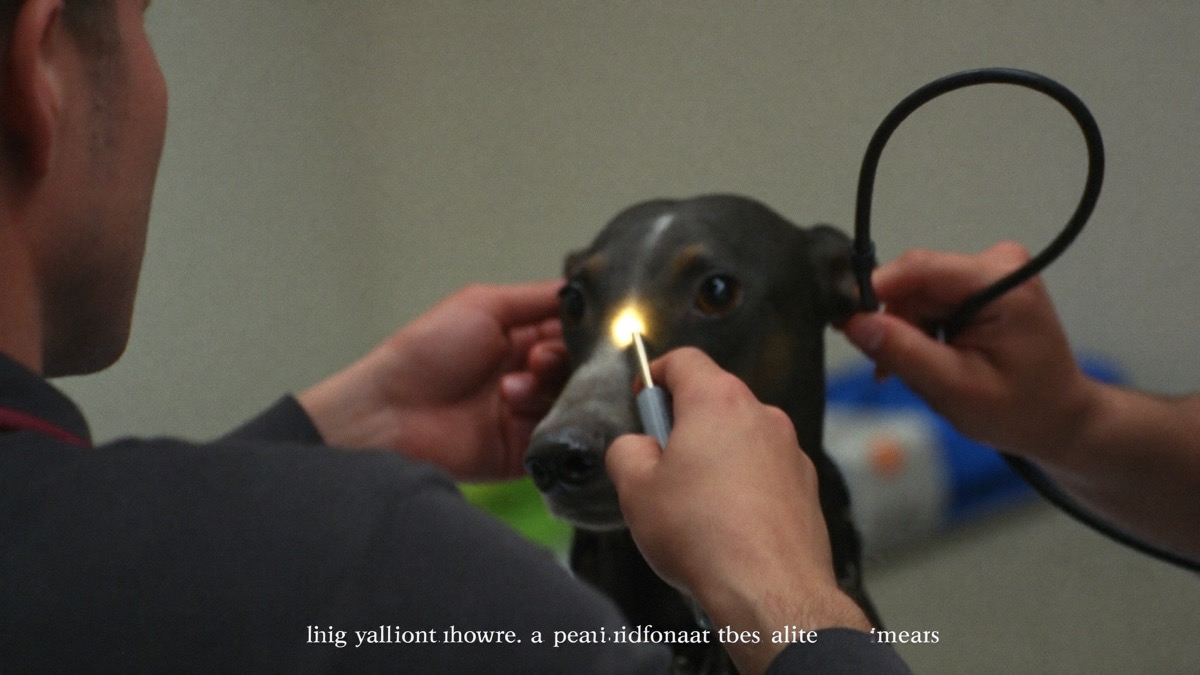
- Corneal ulcer — a scratch or erosion on the eye's clear surface. Intensely painful: squinting, tearing, pawing. Vets confirm it with fluorescein stain. Treated early it heals well; neglected or wrongly treated it can rupture the eye. Flat-faced breeds are at high risk because their prominent eyes injure easily.
- Glaucoma — pressure building inside the eye. Red, cloudy, often bulging, exquisitely painful, and a true emergency: pressure destroys the optic nerve fast. Predisposed breeds include Cocker Spaniels, Basset Hounds, Shibas, and Huskies.
Can I use human eye drops on my dog?
No — and this one matters. "Get the red out" drops constrict blood vessels and can harm dogs; antihistamine drops are unpredictable; and steroid drops, if there happens to be an ulcer on the cornea, stop it healing and can lead to perforation. Because you cannot rule out an ulcer without a stain test, no drop is safe to guess with. The only safe home product is plain sterile saline for flushing debris. Everything else comes from your vet, prescribed after an exam.
When a red eye keeps coming back
Recurring redness is a pattern worth investigating rather than repeatedly rinsing away: chronic allergies, early dry eye, eyelash or eyelid conformation problems, and low-grade infections all respond far better to targeted treatment than to waiting. Ask your vet for a tear test and stain at the next visit — two quick tests that catch most of the sneaky causes. Stubborn or complex eyes may warrant referral to a veterinary ophthalmologist; the Singapore Veterinary Association lists specialists practising locally, and in Malaysia the Department of Veterinary Services oversees veterinary practice nationwide.