How much water does a dog need by weight?
| Body weight | Baseline daily intake (50–60ml/kg) | Realistic in SG/MY heat |
|---|---|---|
| 3kg (chihuahua, small maltese) | 150–180ml | 180–270ml |
| 5kg (toy poodle) | 250–300ml | 300–450ml |
| 10kg (shih tzu, mini schnauzer) | 500–600ml | 600–900ml |
| 15kg (Singapore Special, beagle) | 750–900ml | 900ml–1.3L |
| 25kg (border collie, husky) | 1.25–1.5L | 1.5–2.2L |
| 30kg+ (golden retriever, labrador) | 1.5–1.8L+ | 1.8–2.7L+ |
Diet shifts these numbers a lot. Dry kibble is ~10% moisture, so kibble-fed dogs drink near the top of the range; wet or fresh food is 70–80% water, so those dogs may drink surprisingly little from the bowl and still be perfectly hydrated.
Why do dogs in Singapore and Malaysia drink more?
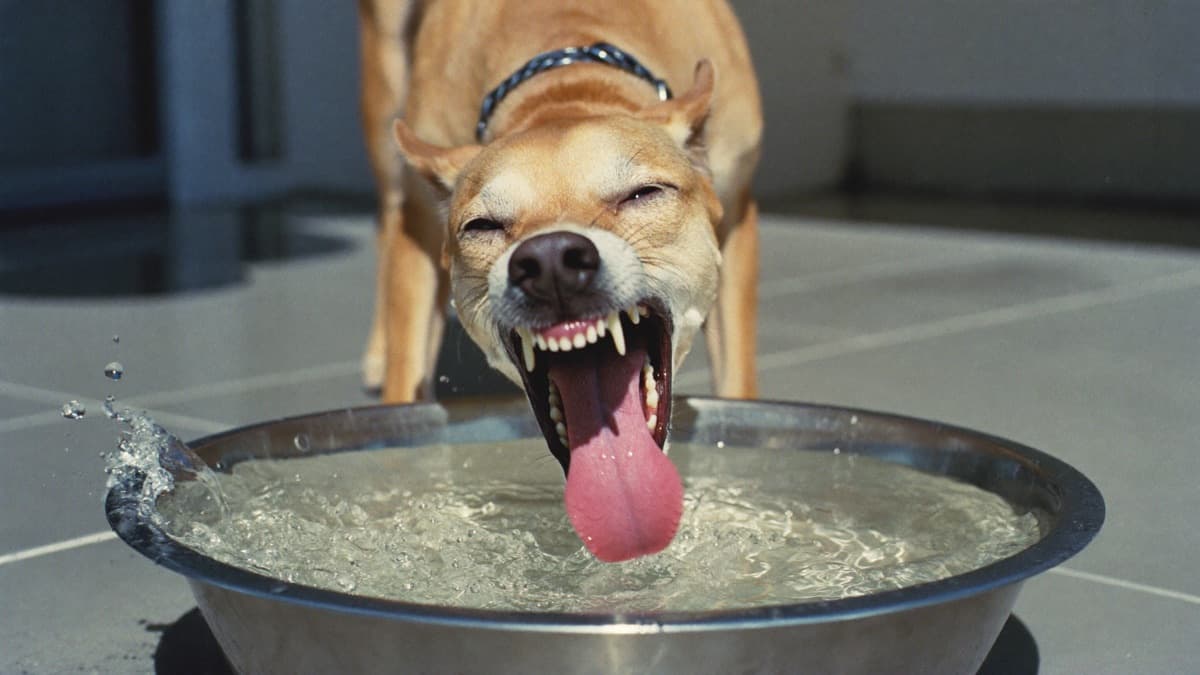
Dogs barely sweat — they dump heat by panting, and panting costs water. At 32°C and 80% humidity, a dog spends water on thermoregulation all day, even lying under the fan. Intakes 20–50% above the temperate baseline are routine here, higher again after walks or for thick-coated breeds. Practical rules for the tropics: fresh water available 24/7 in at least two spots, a bowl wash daily (biofilm grows fast in this climate), carry water on any walk over 20 minutes, and never restrict water to "fix" toilet accidents — that trades a puddle for a urinary problem. Panting that won't settle indoors is not thirst, it's a warning — see our heatstroke guide.
Do puppies and seniors need different amounts?
Yes — puppies drink more per kilogram than adults (growth plus small bladders plus constant activity), so don't panic-compare a 4-month-old to the adult table; just keep water down at all times except the last hour before bed during toilet training. Nursing mothers can need two to three times baseline. Seniors often drift the other way — arthritic dogs may drink less simply because walking to the bowl hurts, so put an extra bowl where an old dog actually rests.
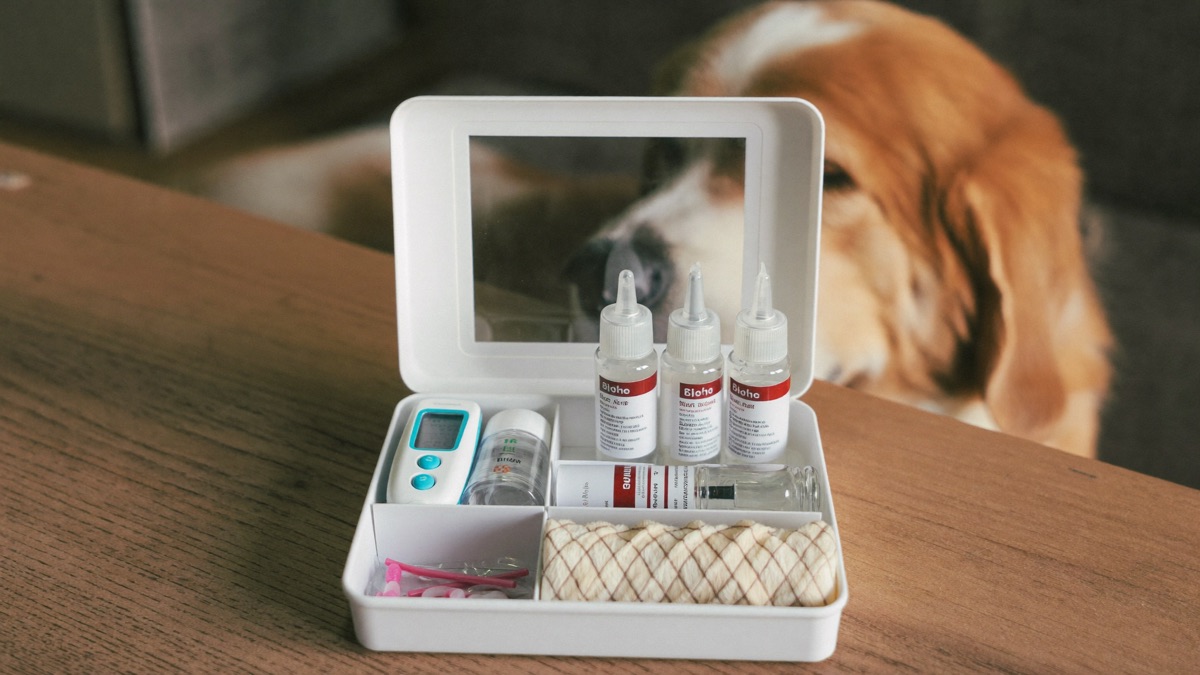
How do I check if my dog is dehydrated?
Two ten-second checks:
- Skin tent: lift the skin between the shoulder blades and release. It should snap flat instantly. If it settles slowly or stays tented, the dog is meaningfully dehydrated.
- Gum check: gums should be pink, wet and slippery. Dry or sticky gums, thick ropey saliva, or a capillary refill over two seconds (press the gum, count until the colour returns) all point the same way.
Add lethargy, sunken eyes or reduced appetite and you should be calling a clinic — find one via the Singapore Veterinary Association directory. Dehydration plus vomiting or diarrhoea escalates fast in small dogs; that combination is a same-day visit, not a wait-and-see.
When is drinking too much a red flag?
Vets define excessive thirst (polydipsia) as sustained intake above roughly 100ml/kg/day — but in practice the flag is a change: the bowl needs refilling twice as often, the dog empties it at 2am, toilet-trained adults start having accidents. The classic culprits:
- Chronic kidney disease — the kidneys stop concentrating urine, so the dog drinks to keep up. Early detection via blood/urine tests changes the trajectory.
- Diabetes mellitus — thirst plus ravenous appetite with weight loss is the giveaway trio.
- Cushing's disease — middle-aged and older dogs; thirst, a pot-bellied look, thinning coat and panting.
- Pyometra — unsterilised females a few weeks after a heat: thirst, lethargy, off food. This one is an emergency.
Some medications (steroids in particular) also drive thirst — mention any prescriptions when you call the vet.
What should you actually do?
If you suspect a change, measure instead of guessing: fill bowls from a measuring jug for 2–3 days and total the daily intake (subtract what other pets share). A one-day spike after a beach outing means nothing. A week of unexplained high intake in an air-conditioned flat means book a consult — S$40–90 / RM50–150 as of 2026 for the exam, plus blood and urine tests — because every disease on the list above is cheaper and kinder to treat early. Water intake is one of the easiest vital signs an owner can track; it's worth the jug.