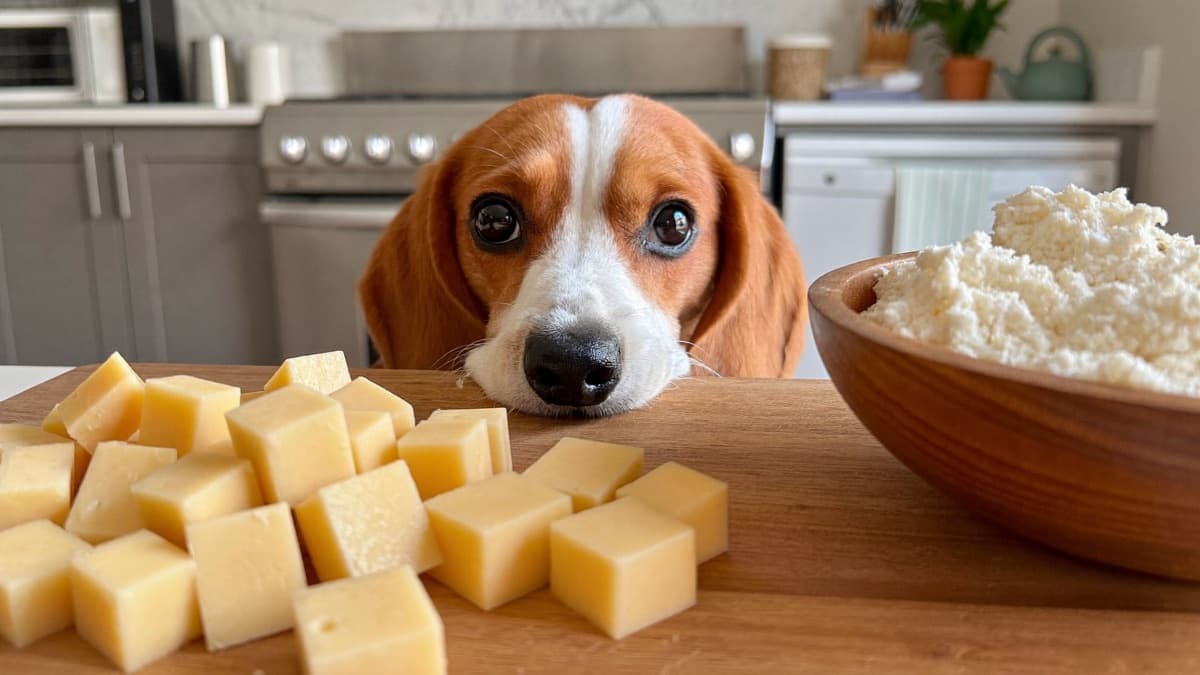
Is cheese good or bad for dogs?
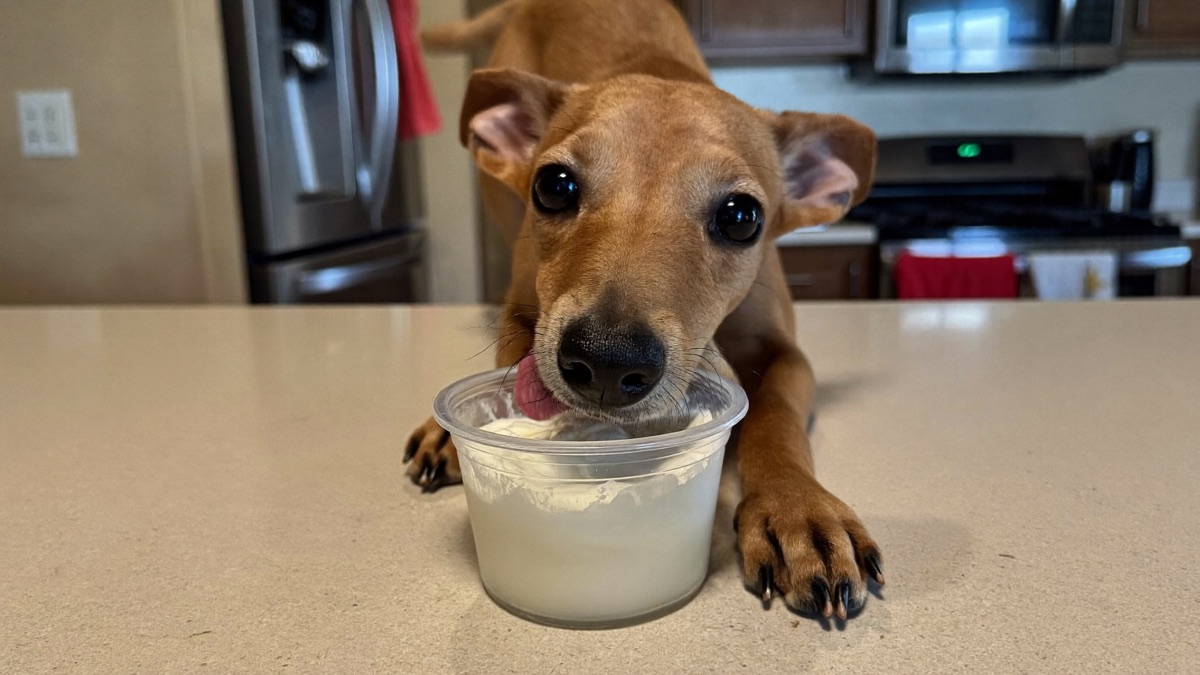
Cheese offers protein, calcium and B vitamins, and its irresistibility makes it a powerful training reward and the classic hiding place for pills. That's the good news.
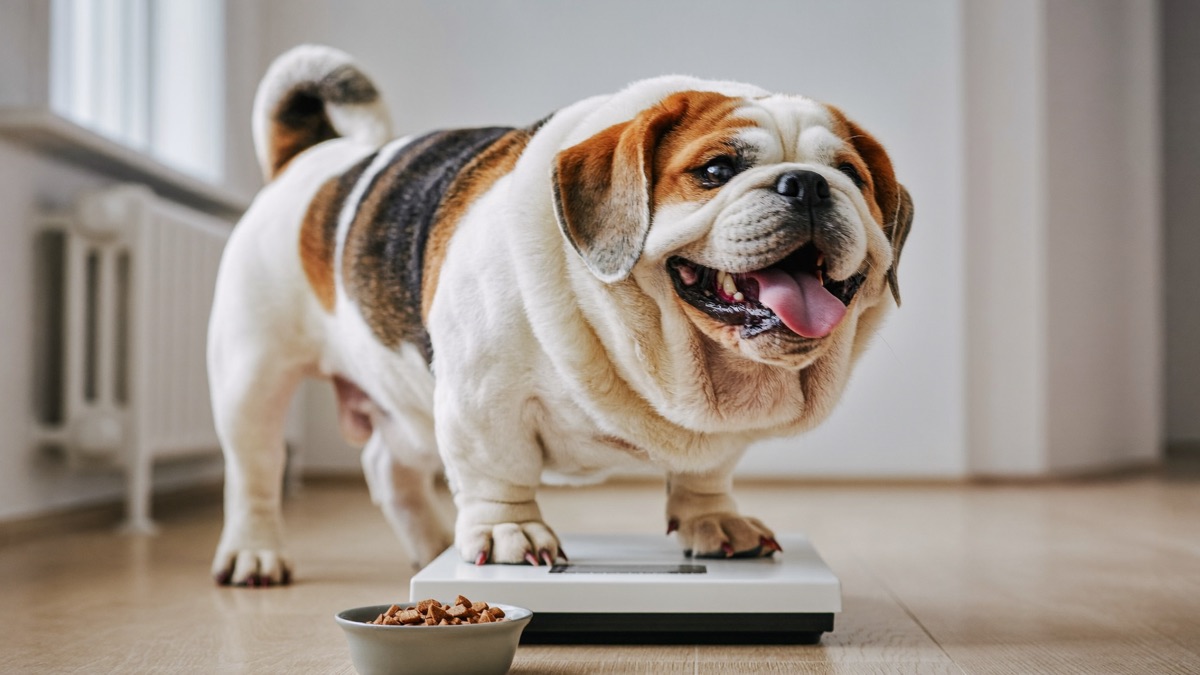
The bad news is that cheese is calorie-dense, fatty and salty. A single cube of cheddar is a significant treat for a small dog, and regular cheese habits are a quiet contributor to canine obesity. Dogs that are overweight, prone to pancreatitis, or on a low-sodium diet for heart or kidney disease should skip cheese entirely — ask your vet if you're unsure where your dog stands.
Are dogs lactose intolerant?
Many are, at least partially. Puppies produce lactase to digest their mother's milk, but production drops after weaning, so plenty of adult dogs handle dairy poorly. Cheese contains less lactose than milk — hard, aged cheeses least of all — but "less" isn't "none".
Signs of lactose intolerance appear within hours of eating dairy: gas, bloating, soft stools or diarrhoea, and sometimes vomiting. If that describes your dog after cheese, take dairy off the menu for good. There are plenty of treats that don't come with digestive consequences.
Does cheese cause pancreatitis in dogs?
Only large or high-fat servings do. An occasional pea-sized cube is low-risk, but a sudden fatty meal — full-fat cheese, rinds or fatty leftovers — is a well-recognised trigger of pancreatitis, a painful and sometimes life-threatening inflammation of the pancreas. Breeds like Miniature Schnauzers, and dogs that have had pancreatitis before, are at higher risk and should not get cheese at all.
Watch for repeated vomiting, a hunched or "prayer" posture, belly pain, lethargy and appetite loss — these warrant a vet visit the same day. Cheese is not the only fatty trigger; our list of foods dogs can't eat covers the others.
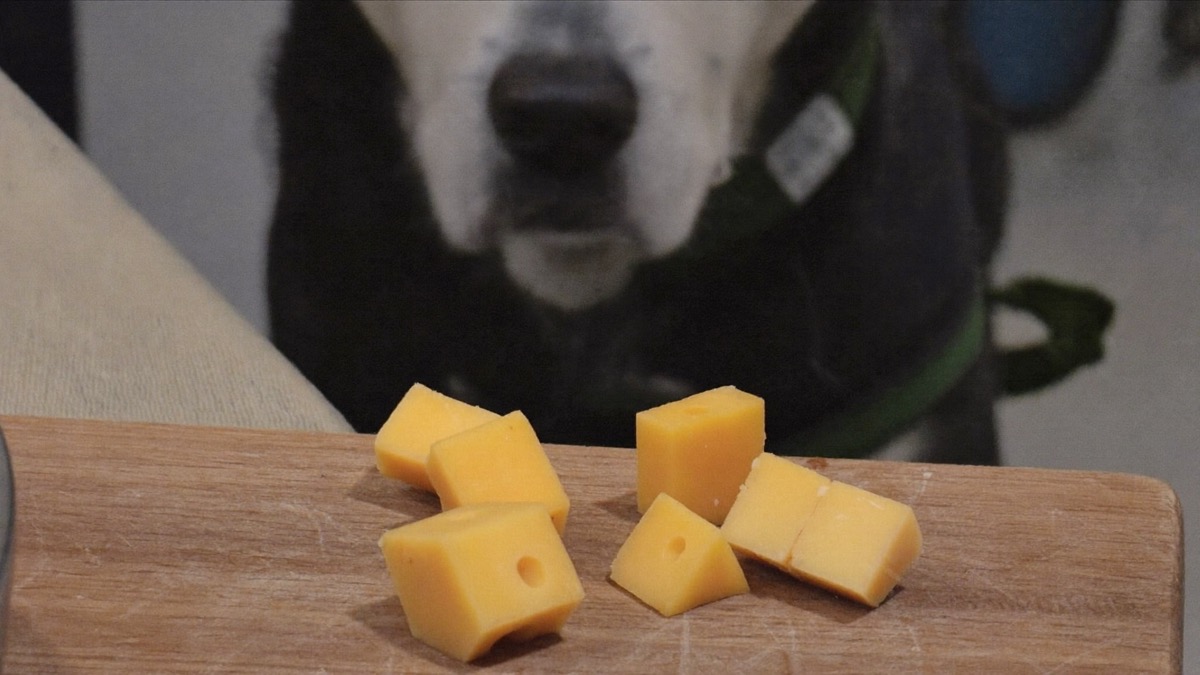
Which cheeses are safer, and which should dogs avoid?
Safer in small amounts:
- Cottage cheese — low in fat, salt and lactose; the usual first choice.
- Mozzarella — relatively low fat; plain, not the pizza kind soaked in oil.
- Mild cheddar or plain string cheese — fine as an occasional pea-sized training treat.
Avoid:
- Blue cheeses (Stilton, Roquefort, Gorgonzola) — can contain roquefortine C, potentially toxic to dogs.
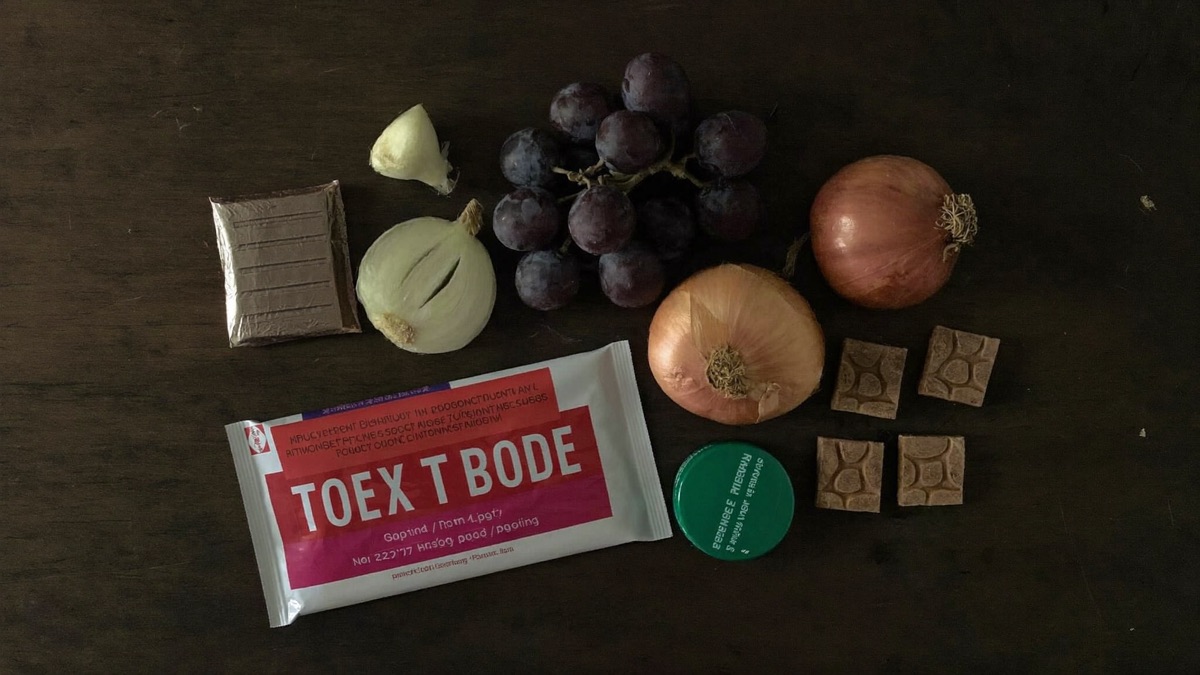
- Cheeses with add-ins — anything with garlic, onion or chives is off-limits, because onion and garlic are toxic to dogs.
- Cream cheese desserts, cheesecake and cheese tarts — sugar and fat, and sometimes chocolate or raisins; grapes and raisins cause kidney failure in dogs, and anything sugar-free may contain xylitol, which is extremely toxic.
- Salty processed cheese and cheese-flavoured snacks — think twice before tossing over curly fries or cheese-flavoured chips from your hawker or mamak order; they're high in salt, oil and seasoning your dog doesn't need.
How much cheese is safe for my dog?
Keep cheese to occasional treat status — well under the 10%-of-daily-calories treat ceiling, because cheese is so energy-dense. See how much to feed a dog to work out where that ceiling sits for your dog.
| Dog size | Example breeds | Safe amount (occasional) |
|---|---|---|
| Small (under 10 kg) | Chihuahua, Toy Poodle, Shih Tzu | 1–2 pea-sized pieces |
| Medium (10–25 kg) | Singapore Special, Beagle, Corgi | 2–3 small cubes (about 1 cm) |
| Large (over 25 kg) | Labrador, Golden Retriever, German Shepherd | 3–4 small cubes |
Introduce cheese with a single tiny piece and wait 24 hours. No gas, no soft stools? Then occasional small amounts are fine for a healthy dog.
When should I call the vet?
Call your vet if your dog shows:
- Vomiting or diarrhoea lasting more than 24 hours after eating cheese
- Repeated vomiting, abdominal pain, hunched posture or collapse — possible pancreatitis; seek care the same day
- Excessive thirst, wobbliness or tremors after very salty foods
- Any reaction after eating blue cheese, or cheese dishes containing onion, garlic, raisins or chocolate — call immediately rather than waiting for symptoms
For a healthy dog, a sliver of mozzarella now and then is harmless and handy. Just treat cheese as a sometimes-food with real caveats — and when your dog's health history is complicated, let your vet make the call. In Singapore, the Animal & Veterinary Service is the main touch-point for pet and veterinary matters if you're new to dog ownership. One more tropical note: cheese left out in this heat spoils fast, so refrigerate training-treat cubes and bin anything that has sat out through an afternoon.
Check another food: the can dogs eat checker gives a verdict and safe amount for everyday foods and local dishes.