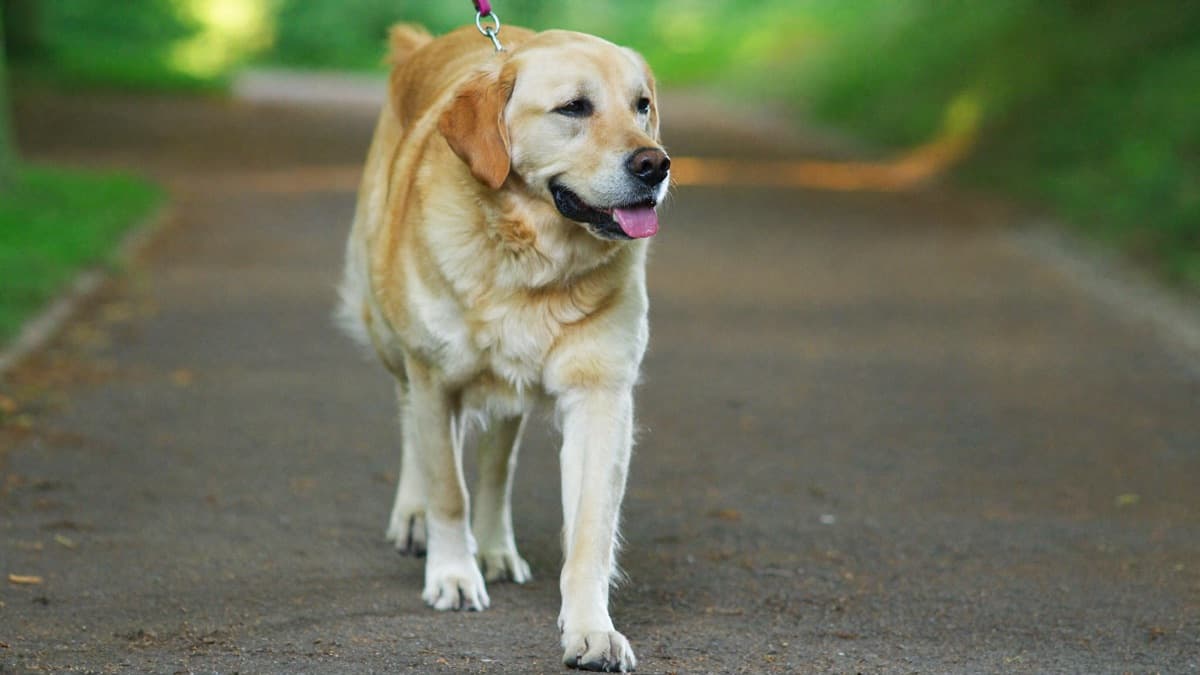
Dogs enter the senior stage in the last quarter of their expected lifespan — around 6–7 years for large breeds and 9–10 for small ones. Here's the checklist in full.
| Checklist item | How often |
|---|---|
| Vet exam (with bloodwork/urine as advised) | Every 6 months |
| Weigh-in and body condition check | Monthly |
| Joint check: stiffness, stairs, hesitation to jump | Ongoing |
| Teeth and gum look-over | Weekly |
| Cognitive signs: night pacing, confusion, house soiling | Ongoing |
| Nail trim (seniors wear nails less) | Every 3–4 weeks |
Why do senior dogs need twice-yearly vet visits?
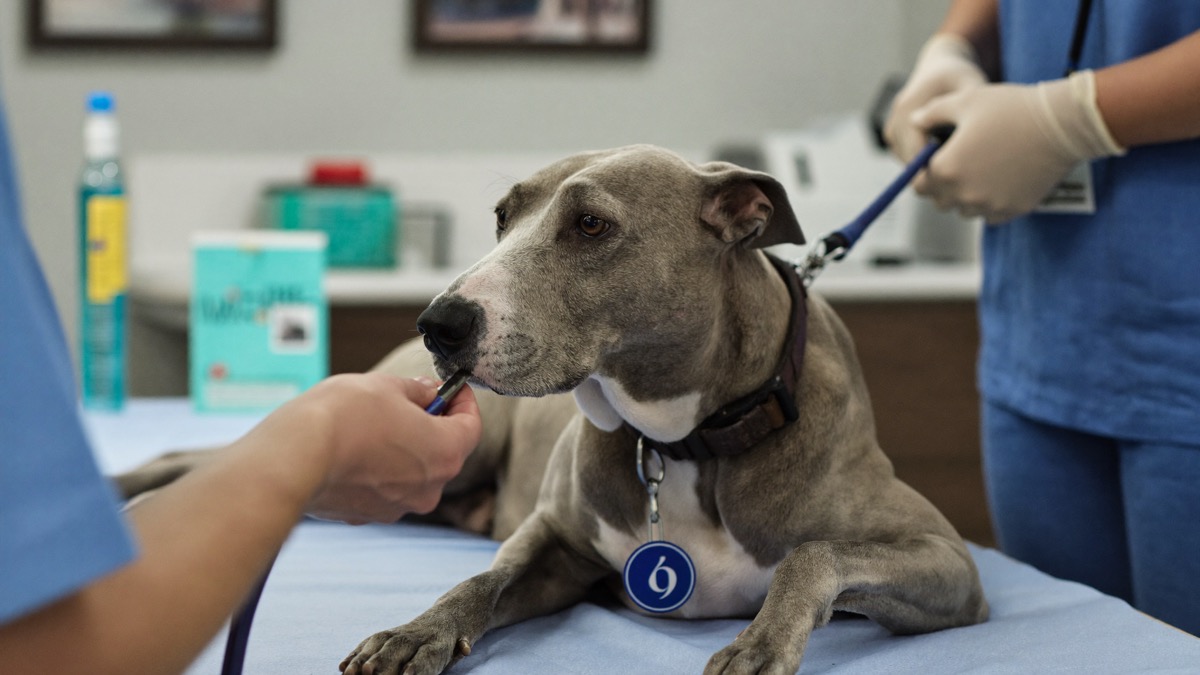
Because a year is a long time in dog years. Kidney disease, thyroid problems, heart murmurs, dental infections, and many cancers develop over months, and all are dramatically easier to manage when caught early. A six-monthly exam — with blood and urine screening at least annually — is the single highest-value habit in senior care. As of 2026, expect roughly S$150–350 (about RM450–1,100) for a senior consult with bloodwork, depending on the clinic and panel — far less than treating advanced disease.
Between visits, weigh your dog monthly. Weight gain overloads arthritic joints; unplanned weight loss is one of the earliest visible signs of internal disease. Either trend of more than 5–10% deserves a call to the vet, and a food rethink — our guide to feeding senior dogs covers what changes.
How do I protect my senior dog's joints?
Assume some degree of arthritis — most dogs over eight have it, and they rarely limp until it's significant. What you'll see instead: slower to stand, reluctance on stairs, shorter enthusiasm on walks, licking at joints. Run through our guide to the signs of arthritis in dogs if any of that sounds familiar.
The management trio is weight control (the most powerful lever by far), regular gentle exercise, and vet-prescribed pain relief when needed. Omega-3 fish oil has reasonable evidence as a supporting player. What doesn't help: resting the dog into immobility, or human painkillers — paracetamol and ibuprofen doses that suit you can be dangerous or fatal to dogs.
Don't skip the teeth
By senior age, most dogs have significant dental disease — and a painful mouth quietly causes fussy eating, weight loss, and grumpiness that owners misread as "just ageing." Weekly gum checks, brushing if your dog tolerates it, and professional cleaning when your vet advises all pay off directly in appetite and comfort. Our dog dental care guide has the routine.
What cognitive changes should I watch for?
Canine cognitive dysfunction — dog dementia — affects a meaningful share of dogs past ten. Early signs are easy to dismiss: standing in corners, staring at walls, pacing at night, forgetting house training, less interest in greeting you. These are medical signs, not personality quirks, and earlier intervention preserves more function. Our dog dementia guide covers the DISHA checklist and what actually helps.
How should I adjust my home for an older dog?
Small changes, big returns — especially in Singapore and Malaysia homes, where tile and marble floors are beautiful and treacherous for weak hind legs:
- Rugs or yoga mats along your dog's main routes across tile. Slipping is both a symptom of joint weakness and a cause of injury.
- Ramps or steps to sofas, beds, and car boots — jumping down is harder on joints than jumping up.
- Raised food and water bowls for large dogs with neck or elbow stiffness.
- A supportive bed away from draughts, with a spot in an air-conditioned or well-fanned room. Seniors regulate temperature poorly, and tropical heat plus a thick coat plus age is a bad combination.
- Night lights if vision is fading — dogs navigate dim rooms worse as cataracts and lens changes set in.
How do I keep walks going in tropical heat?
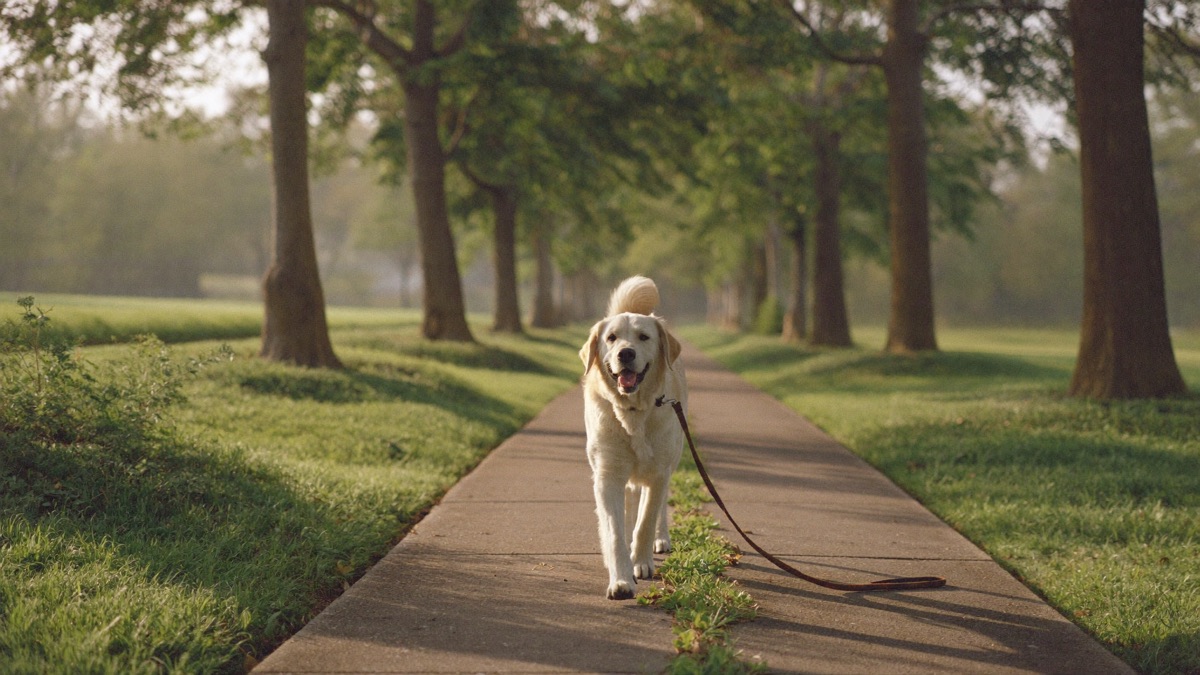
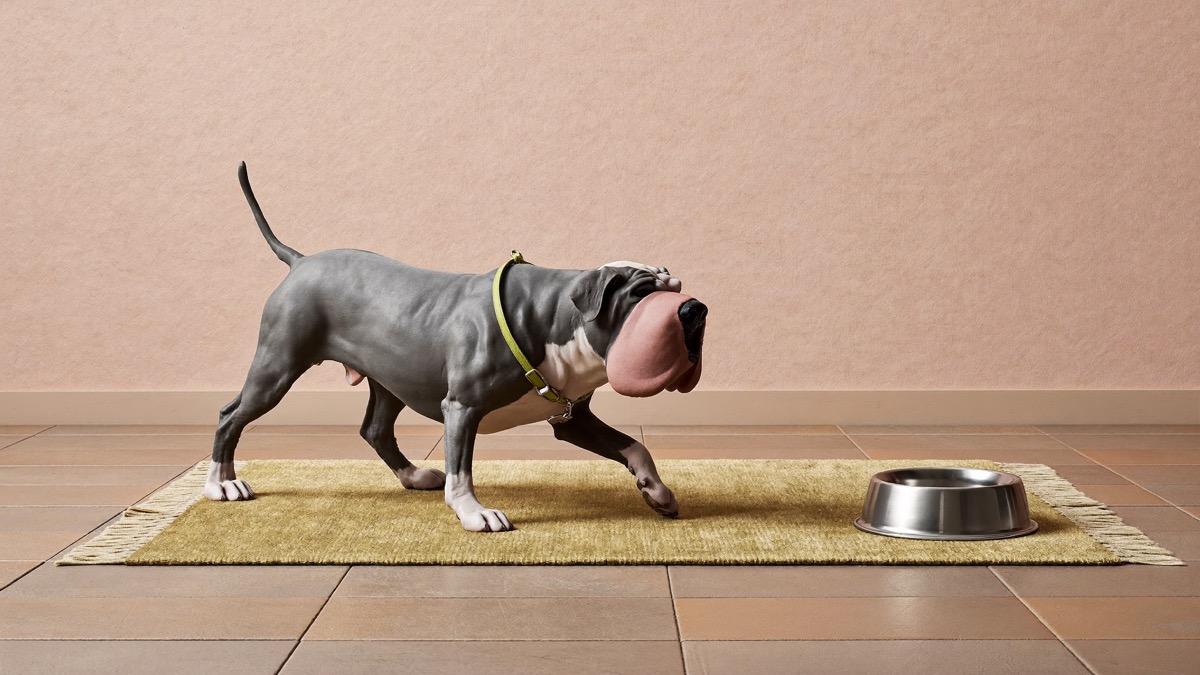
Don't stop walking — restructure it. Two or three short outings in the coolest windows (before 8 am, after 7 pm) beat one long midday march. Check the ground with the back of your hand: if the pavement is too hot to hold for five seconds, it's too hot for paws. Singapore's Meteorological Service publishes practical heat stress guidance worth applying to dogs too — they handle heat worse than we do, and senior, overweight, and flat-faced dogs worst of all. Carry water, favour shaded routes, and let sniffing set the pace; for an old dog, a slow sniffy walk is genuine enrichment, not a lesser workout.
Do these things consistently and you're not fighting ageing — you're buying comfortable, engaged years, which is the entire point.