That is not cynicism; it is the position of veterinary nutritionists worldwide, including the WSAVA Global Nutrition Committee and the nutrition team at Tufts. The pet supplement industry is large, lightly regulated, and very good at selling insurance against vague worries. This guide — and the detailed articles it links to — exists to help you spend money only where the evidence does.
When do dogs genuinely benefit from supplements?
There are four well-supported scenarios:
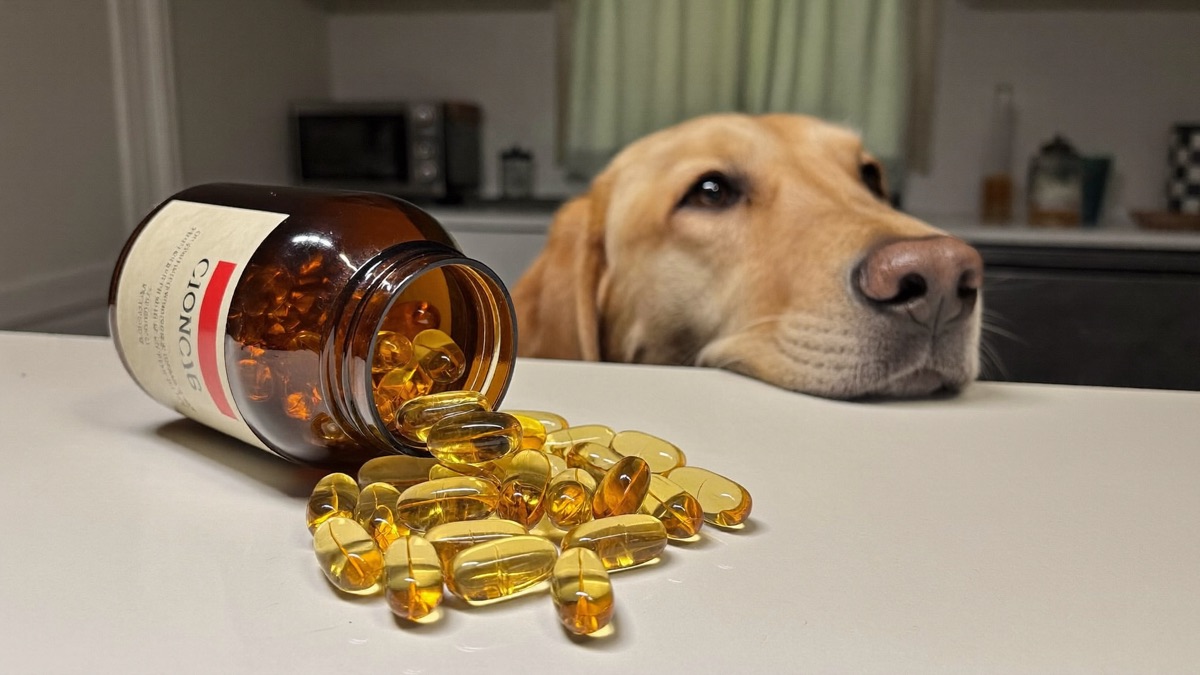
1. Vet-prescribed, condition-specific use. A vet treating a diagnosed problem may add a supplement as part of a treatment plan: omega-3 fatty acids for osteoarthritis or allergic skin disease, specific probiotic strains alongside antibiotics, SAMe or similar liver-support products for particular liver conditions. The common thread is a diagnosis, a dose, and follow-up.
2. Joint disease. For dogs with confirmed arthritis, fish oil (EPA/DHA) has moderate supporting evidence. Glucosamine, despite its popularity, has weak and mixed evidence — our glucosamine guide covers why weight control usually helps more.
3. Home-cooked diets. This is the clearest case of all. Studies analysing home-prepared dog food recipes — including one from UC Davis reviewing 200 recipes — found the overwhelming majority were deficient in at least one essential nutrient. A home-cooked diet without a properly formulated vitamin-mineral supplement, ideally designed by a board-certified veterinary nutritionist, will drift into deficiency. Here, supplementation is not optional.
4. Diagnosed deficiencies or malabsorption. Dogs with conditions such as exocrine pancreatic insufficiency need specific supplementation (for example, vitamin B12 injections). Again: diagnosis first.
What supplements are usually a waste of money?
- Daily multivitamins for dogs on complete commercial diets. The diet already contains these nutrients; the multivitamin adds cost and, at worst, risk.
- Generic "immune boosters", detox blends, and superfood powders. No credible clinical evidence in dogs. "Boosting" the immune system is not a real pharmacological outcome.
- Coat supplements for a dog with a normal coat. A dull coat is a reason to see a vet (thyroid, parasites, diet quality), not to buy salmon-flavoured chews.
- Calcium for growing puppies. Actively harmful for large breeds — excess calcium is linked to developmental bone disease. Puppy diets are already balanced for it.
How do you tell marketing from evidence?
Ask four questions before buying:
- Is there a named condition? Evidence exists for "EPA/DHA in dogs with osteoarthritis", not for "wellness".
- Is the active ingredient and dose on the label? Vague "proprietary blends" are a red flag. For probiotics, the strain (not just species) should be named.
- Who tested it? Look for products with published trials or independent quality verification (for example, the NASC quality seal in North America). Testimonials and before/after photos are not evidence.
- Would the money do more elsewhere? For joint health, keeping a dog lean outperforms every over-the-counter supplement studied. A dental chew routine or a vet check often returns more than a bottle of capsules.
Can supplements actually harm a dog?
Yes, in several ways:
- Fat-soluble vitamin overdose. Vitamins A and D accumulate in the body. Vitamin D toxicity causes kidney damage and has triggered pet food and supplement recalls.
- Mineral excess. Extra calcium harms large-breed puppies; excess zinc and iron cause toxicity.
- Drug interactions. Fish oil at high doses can affect clotting; some herbal products interact with anaesthetics and NSAIDs.
- Quality failures. Independent testing of pet supplements has repeatedly found products containing substantially more or less active ingredient than labelled, and probiotics with few live organisms by expiry. In Singapore and Malaysia's heat and humidity, storage degrades sensitive products (fish oil, probiotics) even faster — buy from retailers with good turnover and store as directed, ideally airtight and cool. Counterfeit and near-expiry stock of popular supplement brands also circulates on Shopee and Lazada, so buy from vet clinics, official brand stores, or established pet retailers rather than the cheapest listing.
The bottom line for SG/MY dog owners
Feed a complete and balanced diet suited to your dog's life stage, keep your dog lean, and treat supplements the way you would treat medication: a specific product, for a specific problem, at a specific dose, agreed with your vet — the Singapore Veterinary Association's clinic directory can help you find one, and in Malaysia the Department of Veterinary Services is the authority behind licensed veterinary practice. Start with the three that have real evidence behind them — fish oil, probiotics, and (with honest caveats) glucosamine — and be suspicious of everything promising general "wellness".