What does fish oil actually help in dogs?
Osteoarthritis — the best-supported use. Multiple randomised trials found dogs with arthritis fed high EPA/DHA diets or supplements showed measurable improvements in weight-bearing and owner-assessed mobility. Evidence quality: moderate. It works as one part of a plan built on weight control and, where needed, prescription pain relief — not as a standalone fix.
Allergic and itchy skin, dull coat. Omega-3s have anti-inflammatory effects that can reduce itching in atopic dermatitis and improve coat quality over 6–12 weeks. Evidence quality: moderate, with variable individual response.
Kidney disease, heart disease, cognitive support. Plausible mechanisms and some supportive studies, but weaker evidence. These uses belong in a vet-managed treatment plan, not self-prescription.
What fish oil does not do: prevent disease in healthy dogs. A dog on a complete diet with a normal coat and no joint or skin issues gains little from routine fish oil.

How much fish oil should I give my dog by weight?
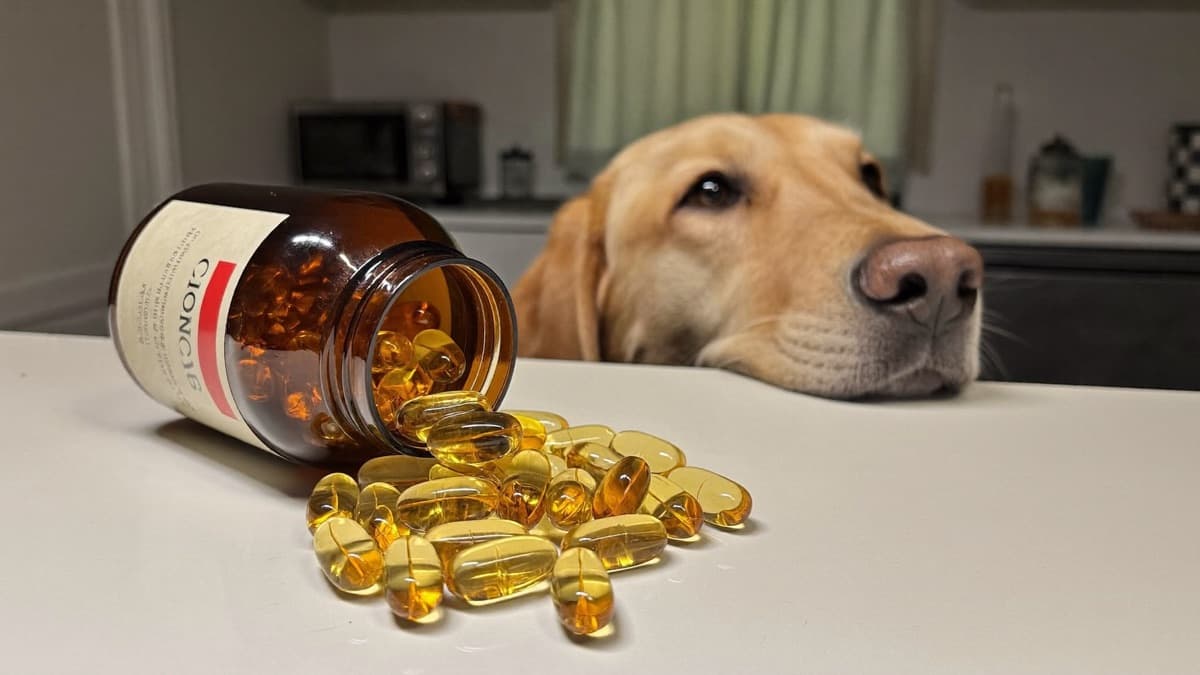
Dose on combined EPA+DHA in milligrams, never on "1,000 mg fish oil" — a typical 1,000 mg capsule contains only about 300 mg EPA+DHA. Conservative daily targets:
| Dog weight | General support (EPA+DHA/day) | Arthritis, vet-guided (EPA+DHA/day) |
|---|---|---|
| 5 kg | 100–150 mg | up to 250 mg |
| 10 kg | 200–300 mg | up to 500 mg |
| 20 kg | 350–500 mg | up to 850 mg |
| 30 kg | 500–700 mg | up to 1,150 mg |
| 40 kg | 600–850 mg | up to 1,400 mg |
These sit well below published safe upper limits, deliberately. Confirm the dose with your vet (the Singapore Veterinary Association's clinic directory lists vet centres if you need one), especially for arthritis (where therapeutic doses run higher), for dogs on blood thinners or NSAIDs, and before any surgery. Start at half dose for a week to check digestive tolerance.
Which type of fish oil is best — and what about storage in Singapore and Malaysia?
Triglyceride-form fish oil from small fish (anchovy, sardine) is a sensible default: better absorbed than cheap ethyl-ester forms and lower in contaminants than oils from large predatory fish. Salmon oil is fine too. Cod liver oil is not interchangeable — its vitamin A and D content makes overdose possible at omega-3 doses.
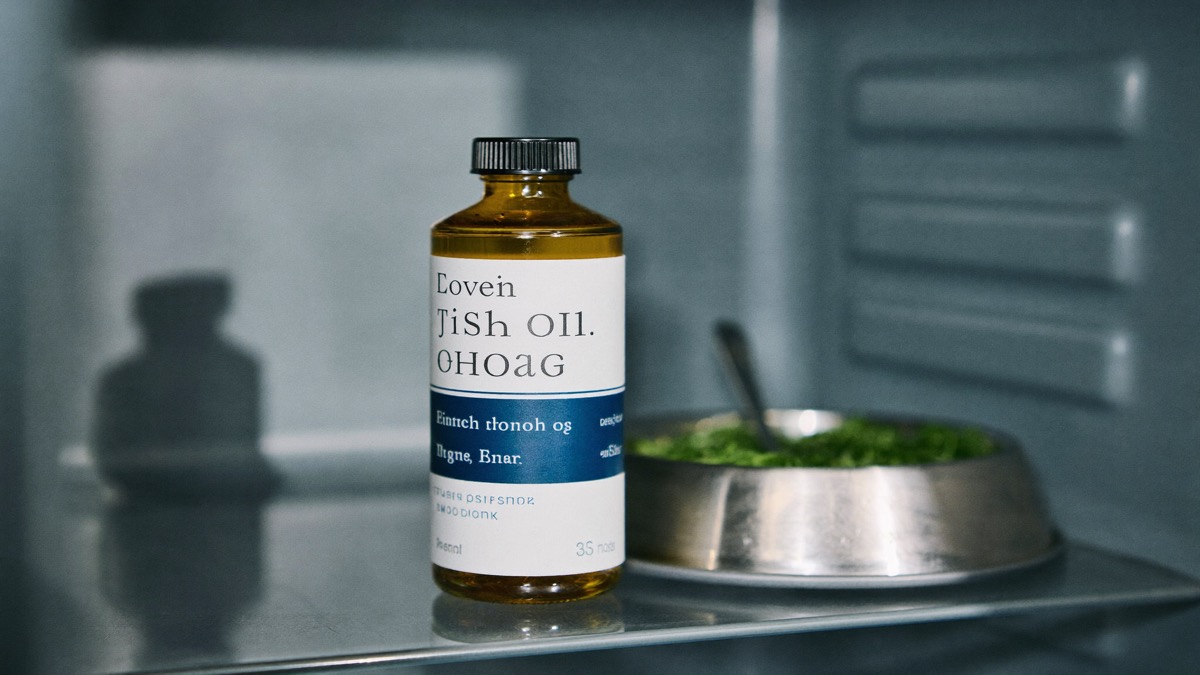
Tropical heat is the real quality problem. Fish oil oxidises (goes rancid) quickly at 30°C-plus room temperatures, and rancid oil is not just useless — oxidised lipids are pro-inflammatory, the opposite of what you are paying for. In SG/MY conditions:
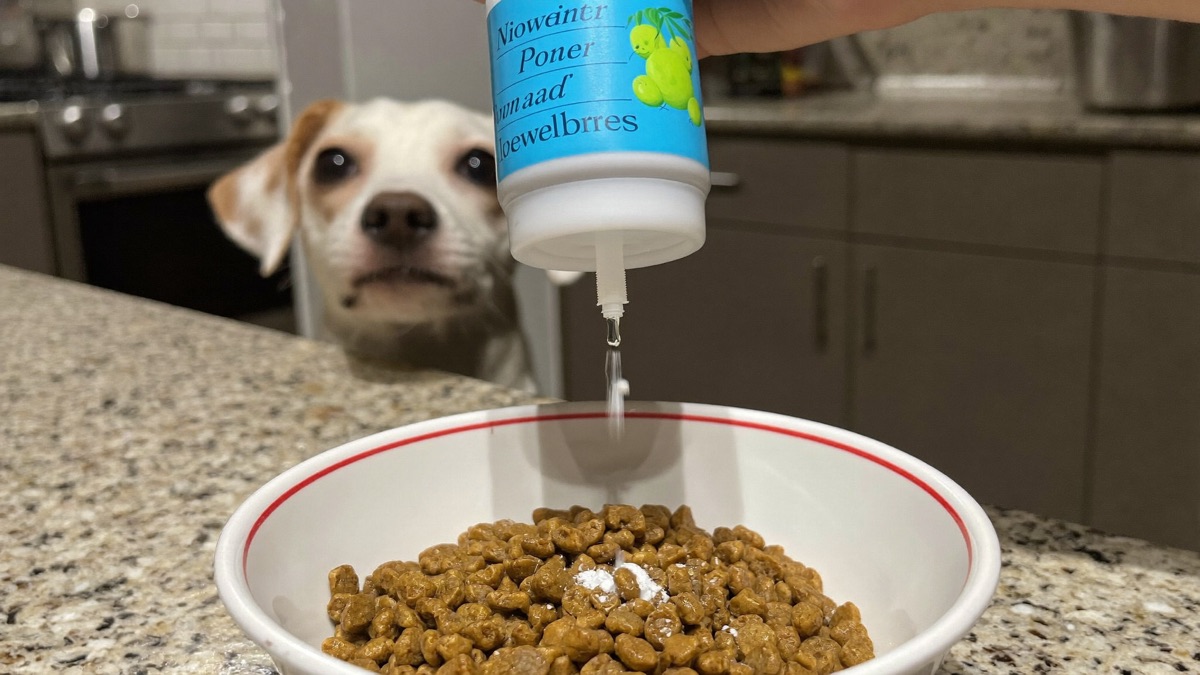
- Refrigerate after opening, always — pump bottles and capsules alike.
- Buy small bottles you will finish within 4–6 weeks, even if the per-ml price is higher.
- Smell it. Fresh fish oil smells mildly marine; sharp, paint-like or intensely "fishy" odour means rancid — discard it.
- Buy from air-conditioned retailers with good stock turnover — vet clinics and established pet shops are safest. On Shopee and Lazada, stock may have sat in un-airconditioned warehouses and counterfeits of popular brands circulate, so if you buy online, stick to official brand stores. Expect to pay roughly S$25–45 / RM80–150 for a quality 100–250 ml bottle as of 2026.
What are the side effects of fish oil in dogs?
Fish oil is well tolerated at sensible doses. The common issues are mild: fishy breath, soft stools or diarrhoea (usually dose-related — reduce and reintroduce slowly), and oily coat at high doses. At excessive doses, risks become real: delayed blood clotting, gastrointestinal upset, weight gain (oil is calorie-dense — count it in the daily ration for dieting dogs), and vitamin E depletion with long-term high-dose use.
When should you NOT give fish oil?
Skip it, or get explicit veterinary clearance first, if your dog:
- has a bleeding disorder or takes anticoagulant medication;
- is scheduled for surgery (many vets pause fish oil beforehand);
- has pancreatitis or a history of it — added fat can trigger flare-ups;
- has a sensitive gut that reacts to dietary fat;
- is already on a prescription joint or skin diet high in EPA/DHA — stacking a supplement on top can overshoot the safe range.
Used for the right dog — arthritic, itchy, or under a vet's plan — at a label-checked EPA+DHA dose and stored cold, fish oil is one of the rare supplements that earns its shelf space.