| Quick facts | |
|---|---|
| Size | Large (51–61 cm at the shoulder) |
| Weight | 25–34 kg |
| Lifespan | 10–12 years |
| Coat | Dense water-repellent double coat; heavy shedding |
| Exercise | High — 60–90+ minutes daily, plus mental work |
| HDB-approved | No — private housing only in Singapore |
What is a golden retriever's temperament really like?
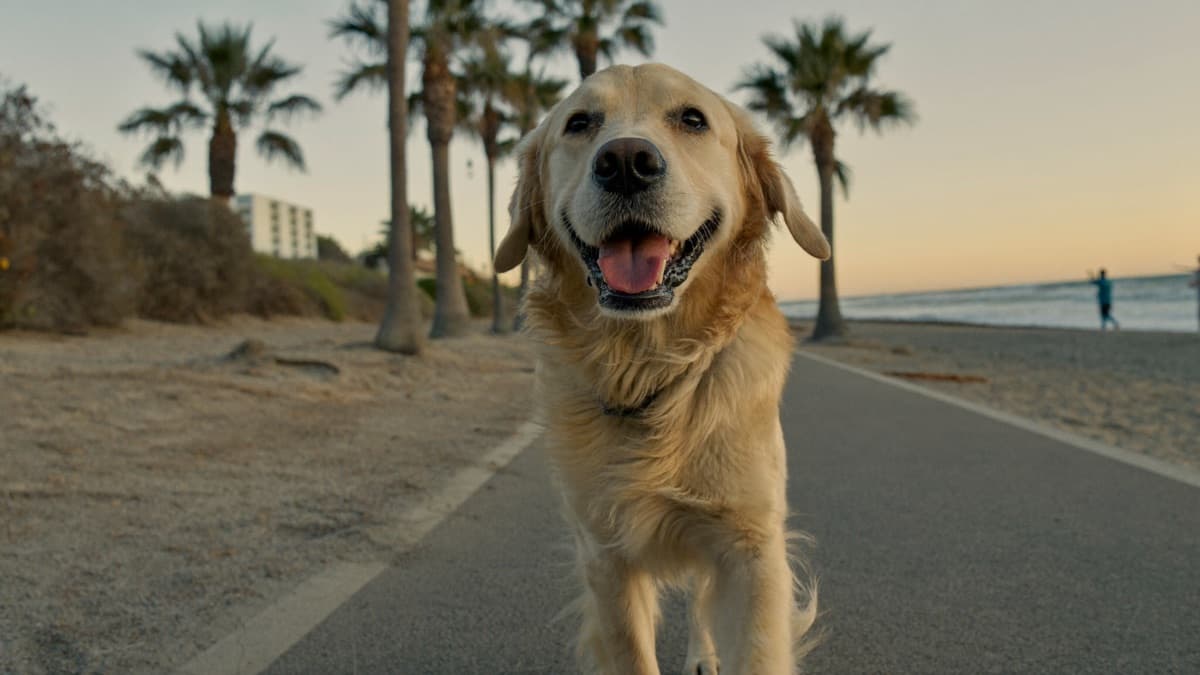
Almost as advertised. Goldens are affectionate, biddable, eager to please, and famously tolerant — the reasons they dominate guide-dog and therapy work. They love everyone, which makes them wonderful family dogs and useless guard dogs.
The honest caveats: golden puppies are large, mouthy, and boisterous for a long time — adolescence lasts to two or three years old, and an untrained 30 kg adolescent that jumps on grandmothers and drags children on the lead is a common surrender story. They need real daily exercise and mental work; a bored golden becomes a destructive, barking, counter-surfing golden. They shed constantly. And they are prone to obesity, both because they inhale food and because owners mistake pleading eyes for hunger. Friendly is genetic; well-behaved is trained.

Do golden retrievers really have high cancer rates?
Yes, and any honest guide has to lead with it. Cancer is the number-one cause of death in golden retrievers, and large studies suggest more than half of goldens ultimately die of it — haemangiosarcoma and lymphoma are the most common culprits, and they can strike in middle age, not just old age. No screening test prevents these cancers, but you can shift the odds and the outcomes: choose breeders whose lines show real longevity, keep your dog lean (excess weight is associated with worse outcomes generally), and treat new lumps, unexplained tiredness, pale gums, or a swollen belly as same-day vet visits. Budget or insure for major treatment; oncology bills in the tens of thousands are not rare with this breed.
What health screening should golden retriever breeders do?
Do not buy a golden puppy from anyone who cannot show you, in writing: hip scores and elbow scores for both parents (hip and elbow dysplasia are common and cause lifelong arthritis), a current eye certificate (inherited eye disease including progressive retinal atrophy), and a heart check by a vet, ideally a cardiologist, for subvalvular aortic stenosis. "Vet-checked" is not health testing. Beyond the screened conditions, goldens are prone to ear infections — constant in the tropics if ears stay damp — plus skin allergies and hypothyroidism.
How do you keep a double-coated golden cool in the tropics?
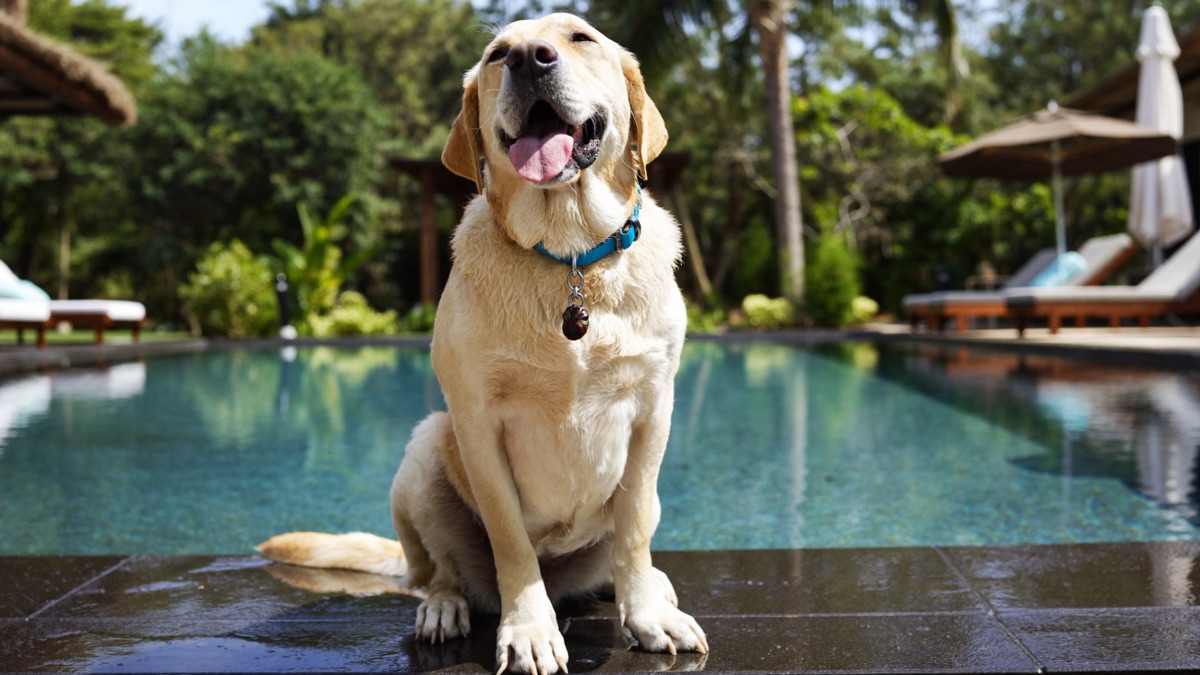
The double coat is misunderstood: it insulates against heat as well as cold and protects the skin from sun, but it slows cooling once the dog is hot, and dogs cool mainly by panting. Practical management: walk at dawn and after sunset, never exercise hard at midday, watch for heavy panting, drooling, or wobbliness and treat them as emergencies, and give access to air-conditioning or strong airflow at home. Swimming is the perfect golden outlet in this climate — most are besotted with water. Brush thoroughly two or three times a week to strip dead undercoat, and never shave: a shaved double coat loses sun protection and often regrows badly. Dry ears after every swim.

Can a golden retriever live happily in Singapore or Malaysia?
In the right housing, yes. Golden retrievers are not HDB-approved — they exceed the size limits for flats — so in Singapore they are only an option for condo or landed households; check current AVS and HDB rules yourself, and note many condos have their own by-laws. In Malaysia, check your local council's licensing rules, which vary.
The genuine constraint is not heat, which is manageable, but exercise logistics: this dog needs over an hour of real activity daily, timed around the sun, every single day for a decade. Families who deliver that — with dawn walks, swims, and training games — have superbly happy tropical goldens.
Who should not get a golden retriever — and who is it worth it for?
Skip this breed if you live in an HDB flat, work long hours, want a clean house, or cannot face the real possibility of cancer in middle age. For an active private-housing family that will train through the boisterous years, the payoff is the most reliably gentle, joyful family dog there is — a decade of it, wholeheartedly given.