
| Quick facts | |
|---|---|
| Size | Small-medium, long and low (25–30 cm at the shoulder) |
| Weight | 10–14 kg |
| Lifespan | 12–13 years |
| Coat | Thick double coat; very heavy year-round shedding in the tropics |
| Exercise | Moderate-high — 60+ minutes daily plus mental work |
| HDB-approved | No — private housing only in Singapore |
Temperament: a big working dog on short legs
Corgis were bred to boss cattle around, and the personality that requires — bold, independent-minded, loud, and tireless — did not shrink with the legs. They are affectionate and funny with their families, quick to learn, and genuinely fun to train. But expect strong opinions: Corgis argue back, bark readily (they were also farm alarm systems), and will herd whatever moves, including children, other pets, and robot vacuums.
The herding nip deserves honest treatment. Heel-nipping at running kids is instinct, not malice, and it is very common in this breed. It is manageable with early, consistent training — redirect chasing onto toys, reward calm around movement, and supervise play with young children — but families who expect a passive plush toy are the ones who end up surrendering a 15-month-old Corgi. Under-exercised Corgis also become problem barkers, which matters in a condo.
Health: the back is the headline
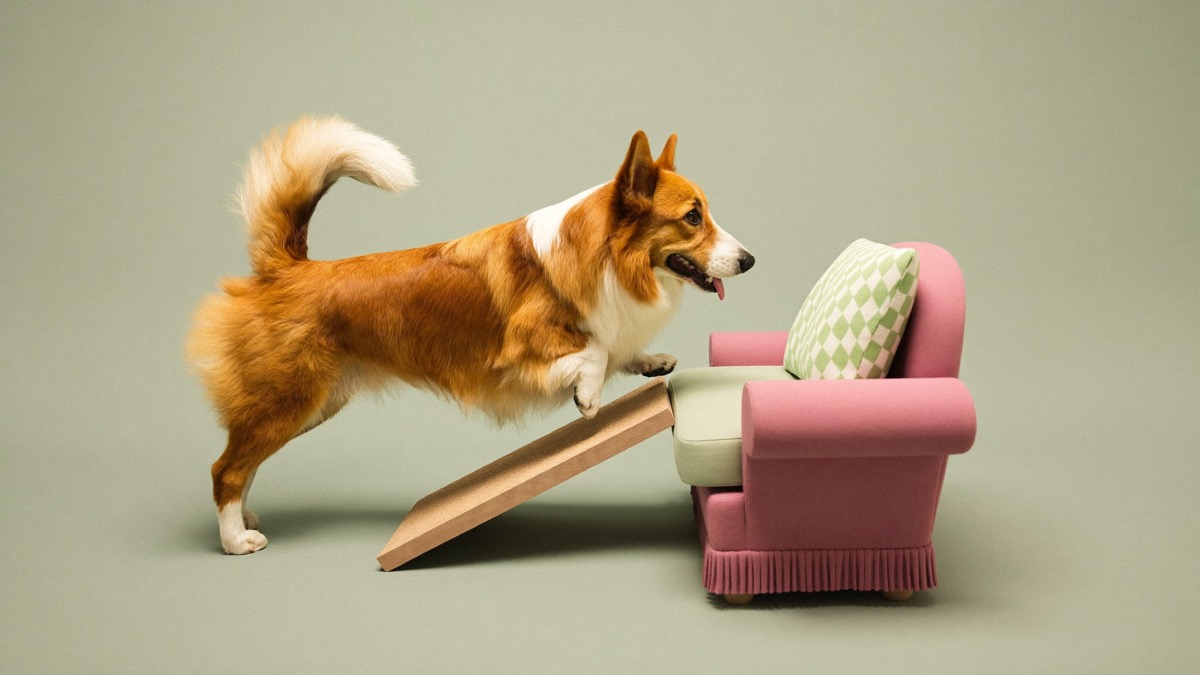
That long spine on dwarfed legs (the breed is chondrodystrophic) predisposes Corgis to intervertebral disc disease (IVDD) — discs that degenerate early and can bulge or rupture, causing anything from pain to sudden hind-limb paralysis. Practical back care from day one: keep the dog lean, use ramps or steps for sofas and beds, limit repetitive stair-running and high jumps, and use a harness rather than a collar. Learn the warning signs — yelping when picked up, a hunched back, wobbly hind legs, reluctance to jump — and treat them as urgent; the window for good surgical outcomes after a severe disc rupture is measured in hours, and surgery runs S$8,000–15,000 (RM25,000–50,000). Insurance that covers IVDD is worth arranging while the dog is young and symptom-free.
Beyond the back: hip dysplasia (ask breeders for hip scores on both parents), degenerative myelopathy (a DNA test exists — ask for it), progressive retinal atrophy, and von Willebrand's disease. Obesity is the great multiplier here; a fat Corgi is a back injury waiting to happen, and Corgis are talented beggars.
Grooming and shedding: the tropics have no off-season
Corgis carry a weatherproof double coat, and in Singapore and Malaysia's permanent summer they shed heavily every single day, with periodic blowouts on top. Daily brushing with an undercoat rake, a monthly bath with a proper blow-dry, and acceptance that hair will be part of your home's décor — that is the honest picture. Do not shave a double-coated dog; it wrecks the coat's regrowth and does not cool the dog, since the coat also insulates against heat. Air-conditioning, shade, and water do the cooling; the rake manages the rest.
Can a Pembroke Welsh Corgi live happily in Singapore or Malaysia?
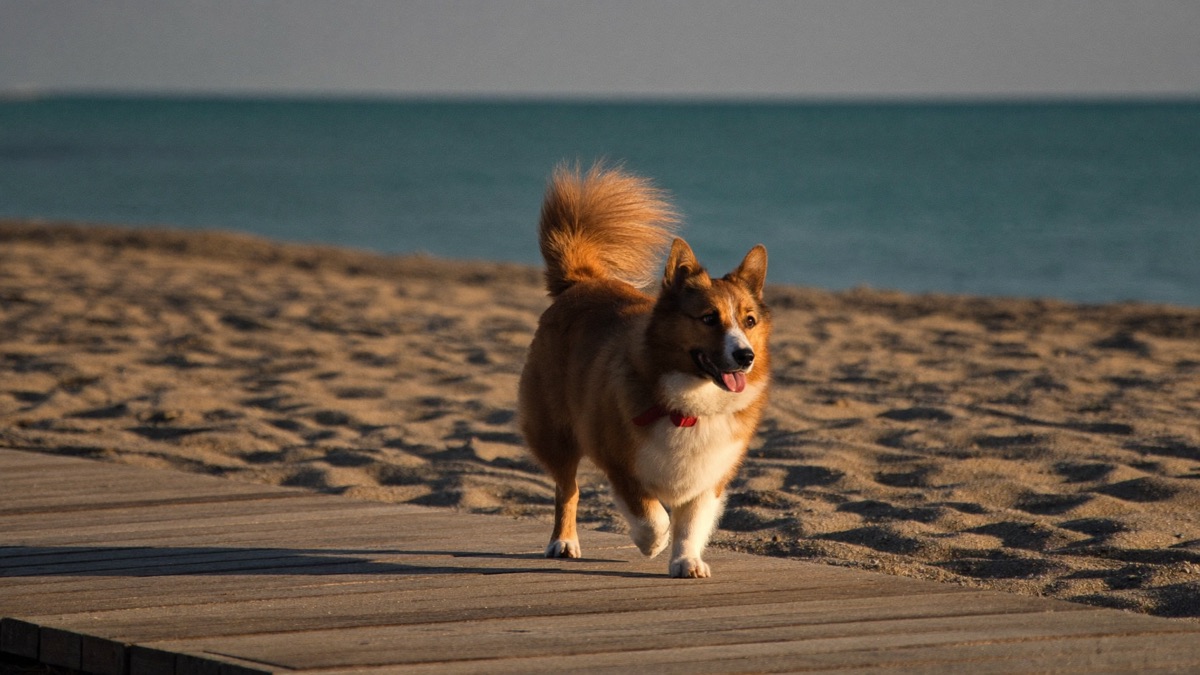
The climate is workable with care. Corgis are long-nosed and tolerate heat far better than flat-faced breeds, but the dense double coat means they still tire and overheat in midday sun — walk early and late, offer water on every outing, and let the dog rest in cool air after exercise. What the region really tests is your commitment to exercise: this dog needs a genuine hour a day plus mental work, and the heat compresses your usable hours to early morning and evening. Skipping it produces a fat, barky, ankle-nipping Corgi.
Housing is the hard constraint in Singapore: Corgis are not on the HDB approved breeds list, so they can only be kept in condominiums or landed property — verify the current list on HDB's Keeping Pets page if in doubt. Licensing through AVS is mandatory, with private premises capped at three dogs. In Malaysia, Corgis are increasingly popular in landed homes; check your local council's licence requirements and any strata by-laws for high-rise living. And if the Corgi's size-with-substance appeal is what draws you, a mid-sized rescue from the SPCA offers the same without the spine and the price tag.
The verdict: a rewarding, entertaining dog for an active private-housing household that will train the herding instincts, protect the back, and make peace with the hair. Not an HDB option, and not a low-effort one anywhere.
Related guides: corgi price in Singapore.