What is a kampung dog?
"Kampung dog" (anjing kampung) means the free-roaming mixed-breed dog of Malaysian villages, plantations and towns — not a breed, but a landrace shaped by generations of surviving the climate. They make up most of the dogs in Malaysian shelters and most of the dogs on Malaysian streets.
You will also hear them called mongrels, "local dogs", pariah dogs or, unkindly, lasap gao. Some Orang Asli village dogs from the Telom River area have been sold overseas as a "Telomian" breed; the Malaysian Kennel Association regards them as pariah dogs rather than a breed, and no major kennel club recognises them. The Singapore equivalent is the Singapore Special — same roots, different postcode.
What do kampung dogs look like, and how big are they?
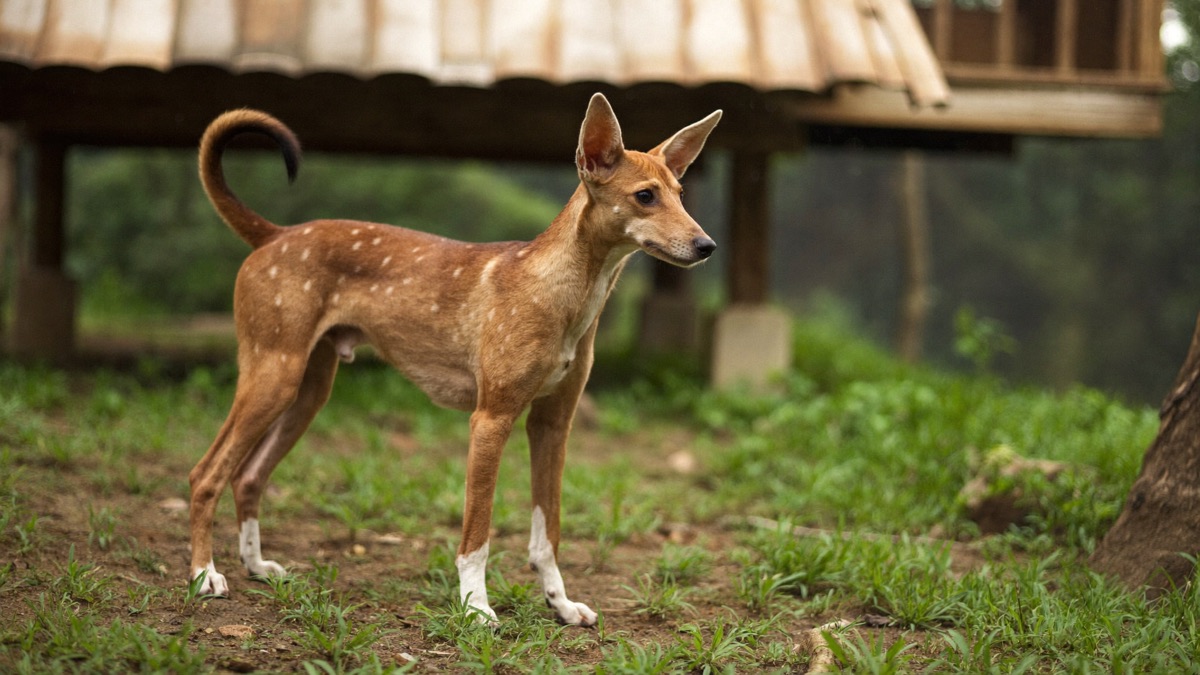
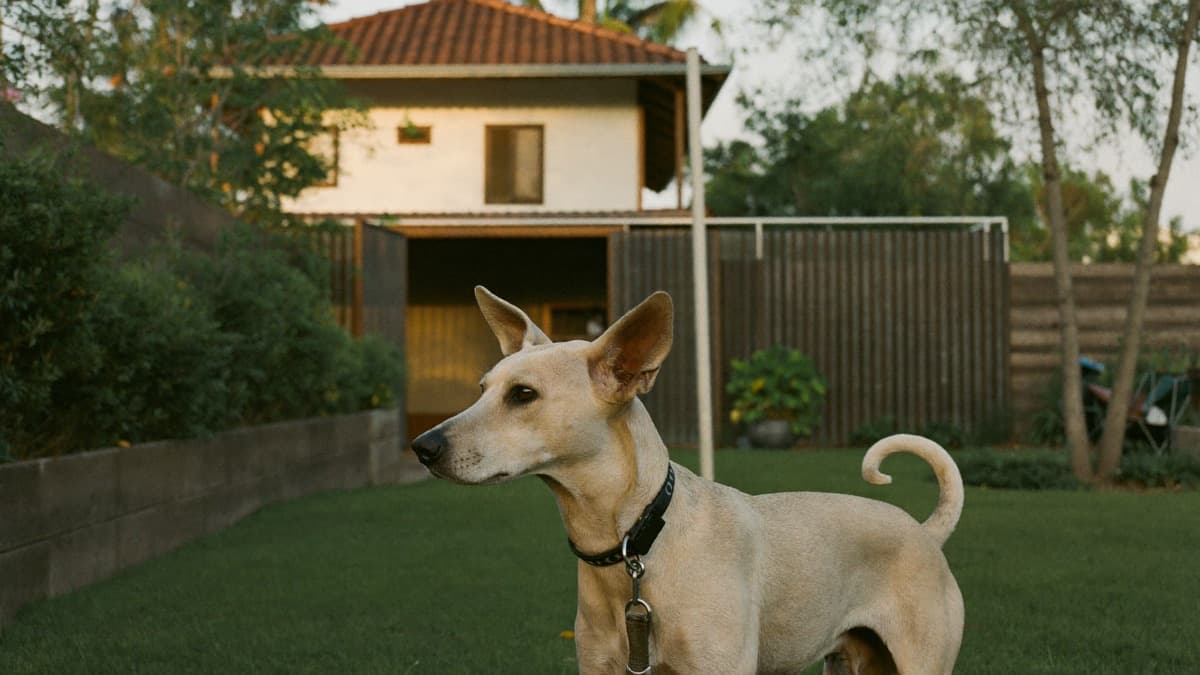
Most are medium-sized, 10–25kg, with a lean frame, erect or semi-erect ears, a short single coat and a tail that often curls over the back. Coats run tan, red, black, brindle, white or piebald, sometimes with a black mask.
Because they are mixed, size varies: Oyen's Malaysian mixed-breed guide puts the range at 5 to 30kg-plus depending on the parents. If you need to predict adult size, adopt a dog over a year old — puppies are a guess.
| Trait | Typical kampung dog |
|---|---|
| Weight | 10–25kg (range 5–30kg+) |
| Coat | Short, single, sheds heat fast |
| Ears and tail | Upright ears, often a curled tail |
| Lifespan | 12–16 years, often longer than pedigrees of the same size |
| Temperament | Intelligent, loyal, alert, wary of strangers at first |
What is their temperament like?
Smart, loyal and watchful. Street survival selects for problem-solvers, so kampung dogs learn quickly with food rewards and make attentive guard dogs for a landed home — they notice a gate opening before you do.
The caveat is early wariness. A dog that spent its first months dodging traffic and people is cautious with strangers, sudden movement and new places; this is fear, not aggression, and it fades with patient, positive socialisation. Adopt an adult whose temperament shelter staff already know, and expect a settling-in period of weeks to a few months.
Are kampung dogs healthier than pedigree dogs?
Broadly yes. No flat face, no heavy coat, no exaggerated joints — the inherited problems that fill vet waiting rooms with bulldogs and retrievers are mostly absent, and mixed breeds tend to live longer and cost less in vet bills.
What they do get is what the climate hands out. Oyen lists the most common conditions in Malaysian mixed breeds as skin infections (bacterial and fungal), digestive upsets, ear infections in the humidity, injuries, and tick fever. Two are serious and preventable:
- Tick fever (ehrlichiosis) — common in Malaysia, spread by the brown dog tick, and a dog that lived outdoors may already carry it. Ask the shelter for a test and read our tick fever guide.
- Heartworm — mosquito-borne and year-round here. Start monthly prevention after a negative test; see heartworm in dogs.

Where can I adopt a kampung dog in Malaysia?
The three largest rehoming groups in the Klang Valley are SPCA Selangor, PAWS and Malaysian Dogs Deserve Better (MDDB), and all rehome mongrels vaccinated and neutered.
| Group | Adoption fee (2026) | What is included | Notes |
|---|---|---|---|
| SPCA Selangor (Ampang Jaya) | RM350 per dog | Three vaccinations, deworming, compulsory neutering | Adopters must be 18+; students not living with parents are not approved; home check possible |
| PAWS | Minimum donation RM100 (adult dog), RM130 (puppy); mixed breed listed at RM200 | Vaccinated and neutered | First-come, first-served with an interview; no reservations |
| MDDB | Ask by email | Rescued street dogs | Cares for over 400 dogs, at least 100 geriatric or disabled; shelter is closed to visitors, adoption list online |
Oyen's guide puts typical Malaysian shelter fees at RM250–400 including vaccination, deworming and sterilisation — a fraction of the private-clinic cost. Puppies under six months go home unsterilised with a date to return for the surgery. Compare that with puppy prices in Malaysia before you decide.
Do I need a licence, and can I keep one in a flat?
Yes to the licence, and mostly no to the flat. Licensing is run by each local council (our dog licence in Malaysia guide covers more of them), and the two biggest Klang Valley councils are strict about strata housing.
| Council | Annual licence (2026) | Sterilised discount | Flats and condos | Dogs allowed |
|---|---|---|---|---|
| MBPJ (Petaling Jaya) | RM30 (RM60 for 2 years, RM90 for 3) | RM30 for a 3-year licence | Prohibited outright | 2 on premises under 1,000m², 4 above |
| DBKL (Kuala Lumpur) | RM60 per dog since 1 April 2024 (The Star); DBKL's own e-DOG FAQ still shows RM10 — confirm when you apply | Reported but not confirmed on DBKL pages | One small dog from a list of nine approved breeds only (By-Law 8A) | 1 under 300m², 2 above (e-DOG FAQ) |
MBPJ asks for a vaccination certificate from a recognised clinic (proof of sterilisation is optional, needed only for the discounted licence), and unlicensed keeping carries a fine of up to RM2,000 on conviction. Malaysia also bans and restricts specific breeds nationally — a kampung dog is not among them, but check the banned dog breeds in Malaysia if your mongrel looks part Rottweiler or German Shepherd, because "controlled" status follows appearance.
The neighbourhood reality is softer than the by-laws. Many Malaysians are uncomfortable around dogs for religious reasons, so a well-fenced garden, a leash on every walk and a dog that does not bark at the gate all night are what keep the peace.
How do I care for a kampung dog in the heat?
Lightly. A weekly brush, a bath when muddy, fresh water in the shade and walks before 9am or after 6pm cover most of it. Their short coat dries fast after rain, so hot spots and fungal skin problems are rarer than in thick-coated imports — but still check ears and armpits weekly in monsoon months.
Monthly tick and heartworm prevention is the one non-negotiable line in the budget. Everything else about a kampung dog is cheap.
What to do next
- Visit SPCA Selangor or PAWS on a weekday morning and ask to meet adult dogs whose temperament the staff already know.
- Before adoption day, check your council's dog-licence page and your strata rules — in MBPJ and DBKL a mongrel is a landed-house dog.
- Book a tick-fever and heartworm test in the first week, then start monthly prevention; see our heartworm and tick fever guides.