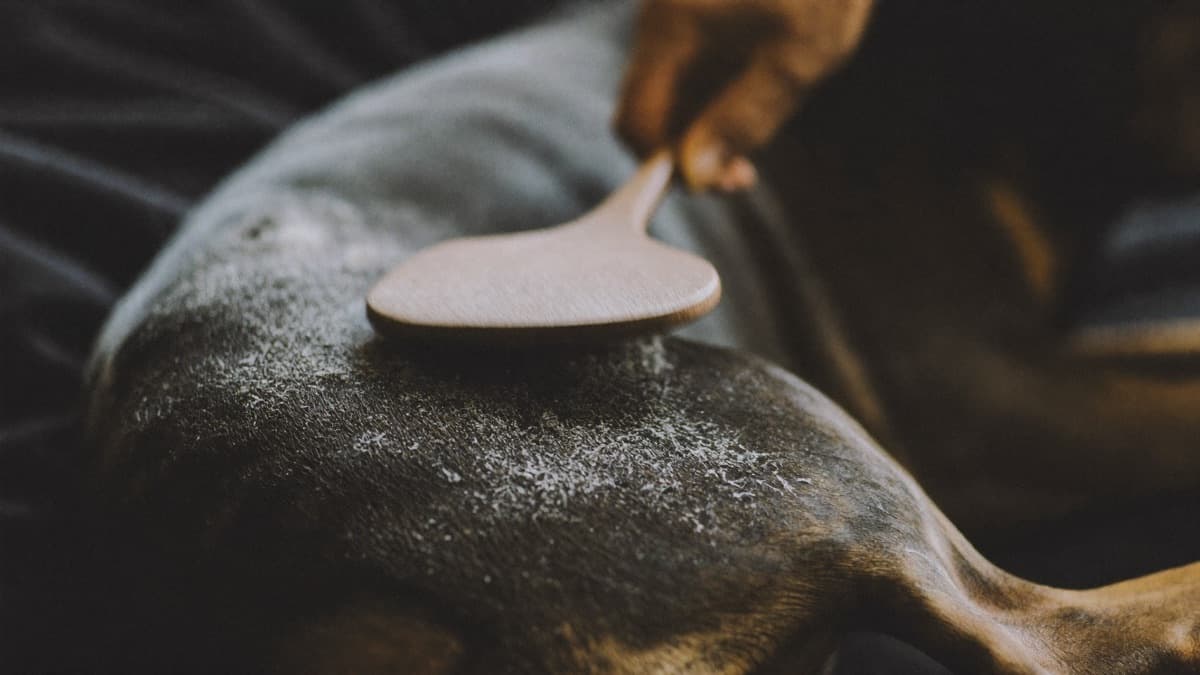
Why does my dog have dry, flaky skin?
| Cause | The giveaway | The fix |
|---|---|---|
| Over-bathing / harsh shampoo | Flakes worse a few days after bath day; dull coat | Stretch baths to every 2–4 weeks; soap-free moisturising shampoo |
| Aircon dehumidification | Indoor dog, flakes worst along the back; static-y coat | Reduce hours in direct aircon; humidifier in the sleeping room |
| Low-fat or low-quality diet | Cheap kibble, dull coat, flakes all over | Diet upgrade plus omega-3 supplementation |
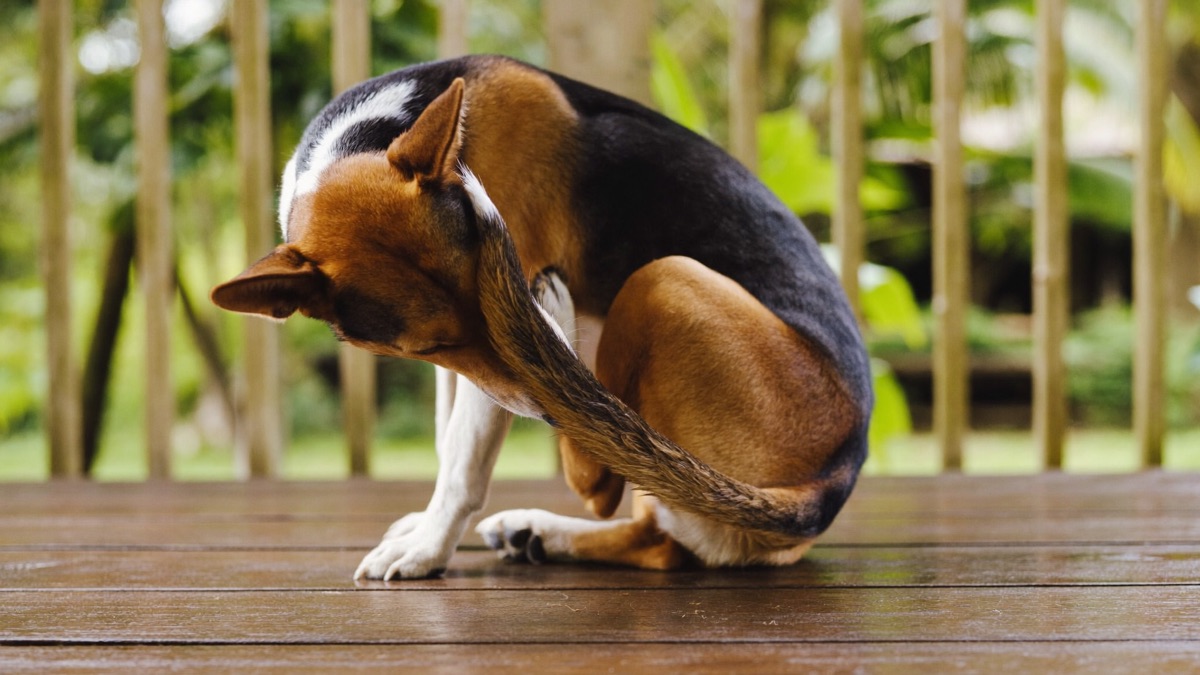
| Parasites (Cheyletiella, lice, early mange) | Flakes that itch, or flakes that move; patchy areas | Vet visit — treatable with modern parasite products |
| Yeast/bacterial overgrowth | Greasy flakes, odour, redness in folds | Medicated shampoo from your vet |
| Endocrine disease (older dogs) | Flakes plus hair loss, weight change, thirst | Blood tests — see the last section |
A tropical wrinkle worth understanding: our dogs live between two extremes. Outdoors is 85% humidity; indoors is aircon running at desert-level dryness for 8–12 hours a day. That daily swing stresses the skin barrier — moisture is pulled out in the cold dry air, then sweat-and-sebum buildup outdoors feeds yeast. A dog that sleeps directly under the aircon vent often flakes along the back and flanks first.

How do you fix dry skin at home?
1. Audit the bathing routine first. Weekly washing with whatever smells nicest is the single most common cause of flaky skin in otherwise healthy dogs. Move to every 2–4 weeks, switch to a soap-free moisturising dog shampoo (oatmeal- or ceramide-based), use lukewarm — not warm — water, and rinse for longer than feels necessary. Human shampoo is the wrong pH for dogs; retire it permanently.
2. Add omega-3 fatty acids. Fish oil (EPA/DHA) rebuilds the skin's lipid barrier from the inside. Effects take 4–8 weeks. As of 2026, a decent pet fish oil runs about S$25–50 / RM50–120 a month for a medium dog — usually the best-value fix on this page.
3. Upgrade the diet. Skin is the body's largest organ and the first to show corner-cutting. If your dog is on the cheapest kibble on the shelf, a mid-tier complete diet with named meat sources and adequate fat often clears mild flaking in six to eight weeks without any other change.
4. Manage the aircon. Move the bed out of the direct cold-air stream, raise the set temperature a degree or two, or add a small humidifier where the dog sleeps.
5. Keep parasite prevention current. Modern monthly flea/tick products also cover several mite species. A dog on year-round prevention has already excluded some of the itchier causes of flaking — see our dog skin problems guide for the infection side of tropical skin.
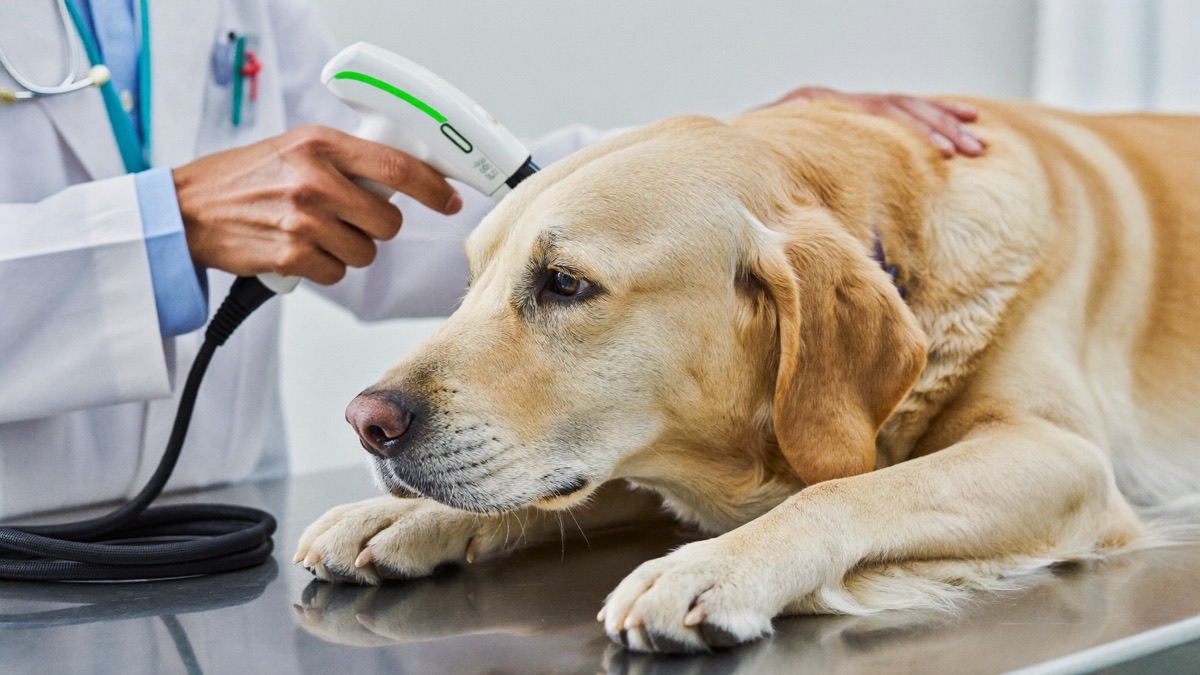
Give home fixes 4–6 weeks. Flaking that survives a sensible bathing schedule, a good diet and fish oil has earned a vet visit.

When do flakes mean something bigger?
In dogs over about 7, stubborn dandruff with a changing coat is a pattern vets take seriously, because two hormonal diseases announce themselves through the skin:
- Hypothyroidism — flaky skin plus a thinning, dry coat, symmetrical hair loss on both flanks, weight gain despite normal food, lethargy, and recurring skin or ear infections. Diagnosed with a blood test and managed with an inexpensive daily thyroid tablet; the coat visibly recovers within months of treatment.
- Cushing's disease (hyperadrenocorticism) — thin, fragile, flaky skin, hair loss, a pot-bellied appearance, and the classic trio of increased thirst, urination and appetite. Diagnosis needs staged blood tests; treatment is lifelong but effective.
Also on the "not just dandruff" list: intense itching with flakes (Cheyletiella mites — the dandruff literally walks under magnification), greasy, smelly flaking (seborrhea with yeast overgrowth), and flaking concentrated around the eyes and mouth in young dogs (early demodex). Widespread itch with flakes can also be the opening act of allergy — our dog allergies guide covers how vets separate the causes.
The practical rule: dry skin plus an otherwise normal dog is a husbandry problem you can fix at home in a month. Dry skin plus anything else — hair loss, thirst, weight change, odour, itch — is a medical problem, and blood tests are cheap compared to months of shampoo experiments. Clinic directories at the Singapore Veterinary Association can help you find a vet if you don't have a regular one.