How does a dog microchip actually work?
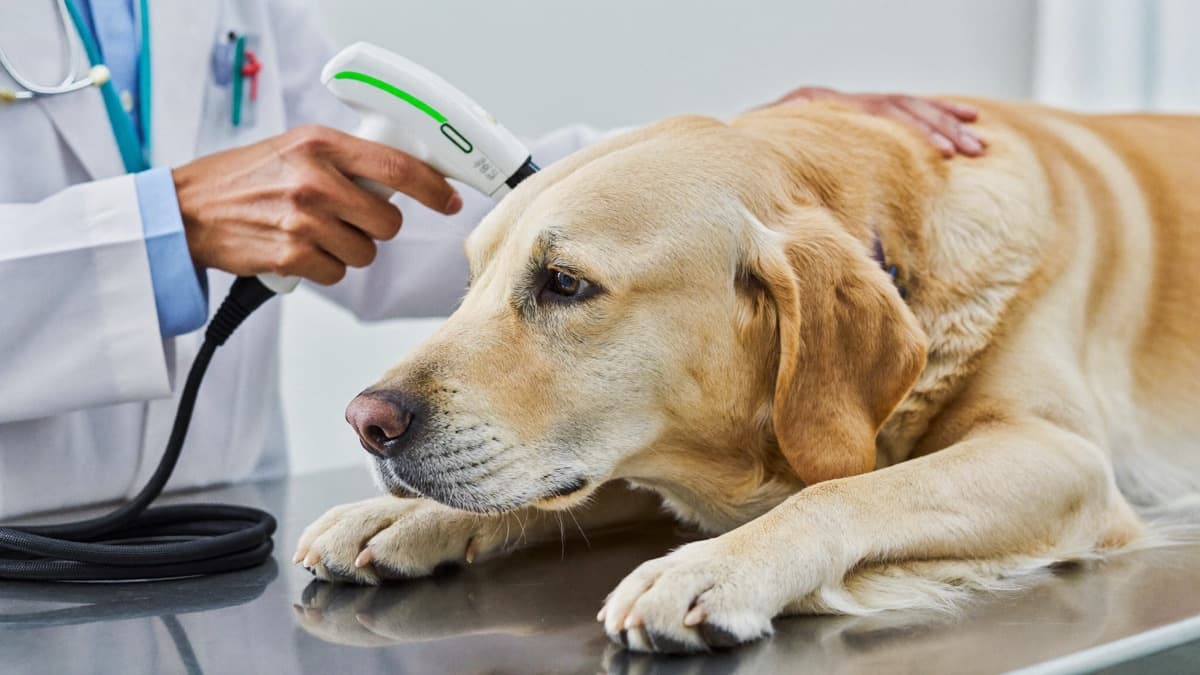
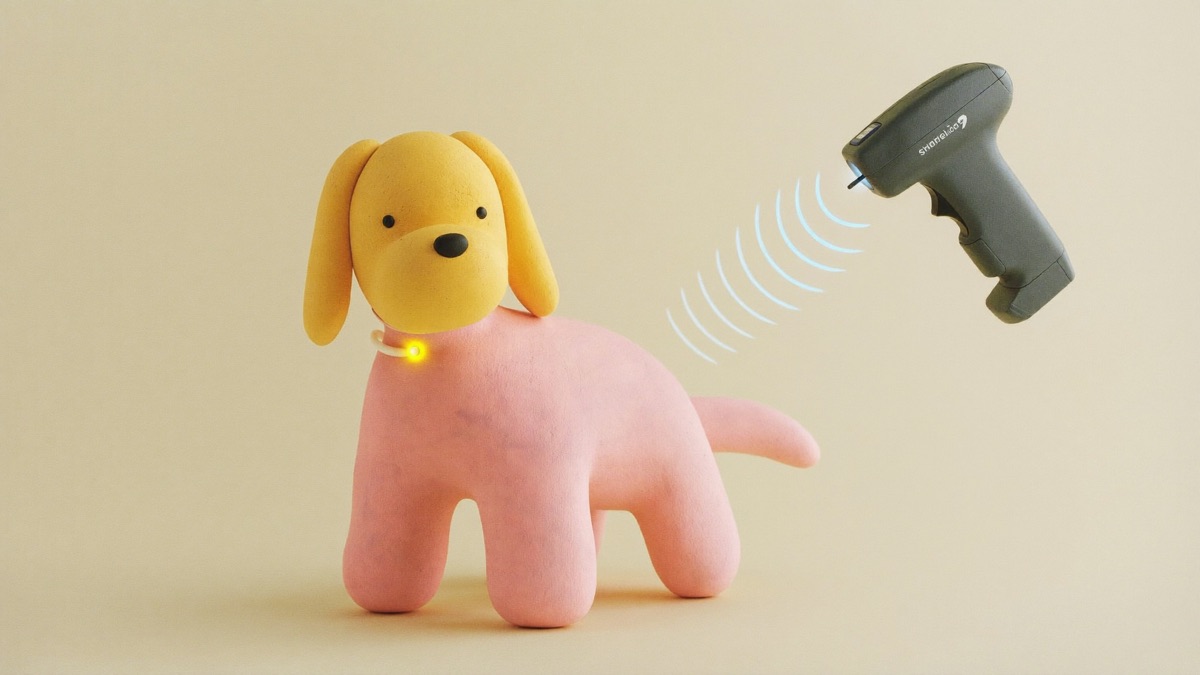
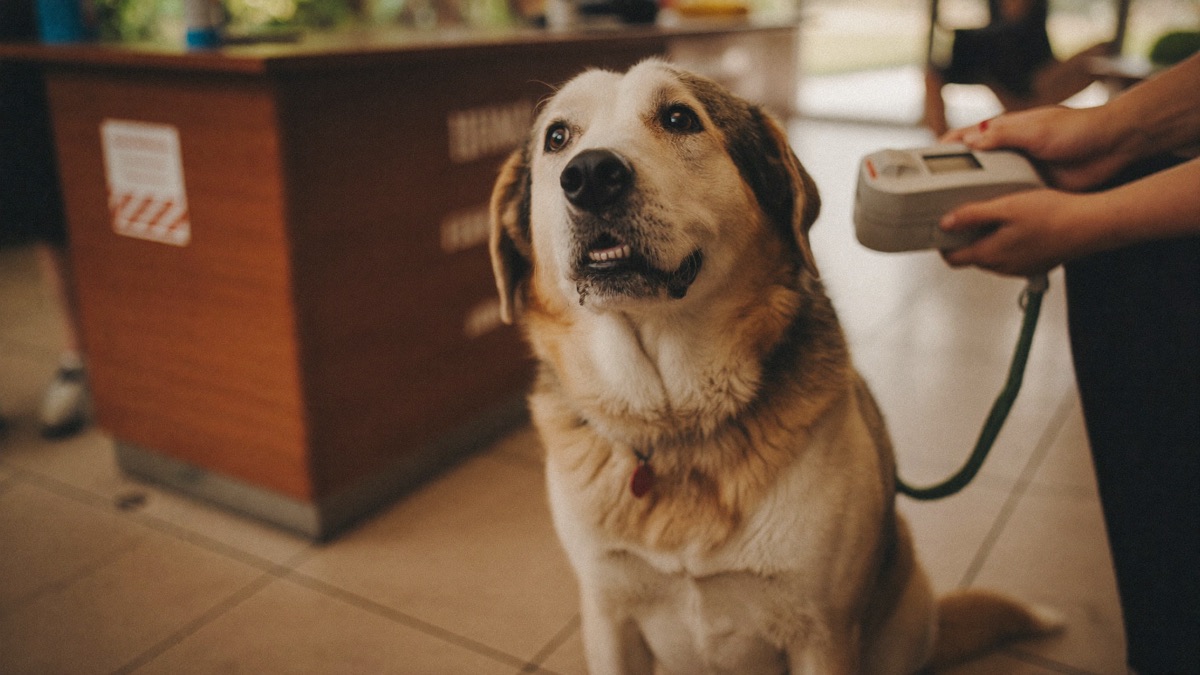
A microchip is a glass transponder the size of a rice grain, implanted under the skin between the shoulder blades. It has no battery and no moving parts — it sits inert until a scanner passes over it, at which point the scanner's radio field briefly powers the chip and it transmits back a unique 15-digit number. That's the entire trick. AVS recommends chips conforming to ISO standards 11784/11785, which every vet and shelter scanner in the region reads.
The myth to bust: a microchip is not a GPS tracker. It cannot tell you where your dog is, cannot be "pinged", and does nothing at all until someone with a scanner — a vet, a shelter, AVS — physically finds your dog and scans it. The chip is an ID card, not a homing beacon. If you want live tracking on walks, that's a separate GPS collar gadget with a battery and a subscription, and it complements the chip rather than replacing it — collars fall off; chips don't.
The number alone is also useless unless it points to you, which is why registration matters more than the implant.
What happens during the procedure?
Honestly, you'll spend longer in the waiting room:
- The vet scans the dog first to confirm there's no existing chip.
- The chip comes pre-loaded in a sterile applicator — one injection under the loose skin between the shoulder blades. No anaesthesia needed; most dogs flinch less than they do for a vaccine, and puppies being sterilised often get chipped while already under.
- The vet scans again to confirm the chip reads, then issues a microchip certificate with the 15-digit number.
- That certificate is your key document — it's what you'll use to licence and register the dog.
What are the rules in Singapore?
Microchipping and licensing go together. Every dog must be licensed with AVS through the PALS portal (pals.avs.gov.sg), and the chip number is entered as part of the application. Pet-shop puppies must be chipped by 9 weeks old, and adopted dogs arrive chipped by the shelter — details in our buying a puppy in Singapore guide. When a dog changes hands, the seller or shelter initiates an ownership transfer on PALS and you accept it; the dog legally shouldn't be handed over before that's done. Licence fees themselves are covered in our HDB dog rules guide.
What about Malaysia?
Malaysia has no single nationwide microchip law yet, but the direction of travel is clear. In Sarawak, dog licensing with your local council is compulsory (fines up to RM5,000) alongside mandatory anti-rabies vaccination, and councils have been running combined licensing-vaccination-microchipping drives — Kuching South has moved to make chips mandatory for pets sold by shops and breeders. Federally, the government announced plans in 2026 to require microchipping before local-council licensing nationwide, starting with a pilot. In Peninsular Malaysia, chipping is currently encouraged rather than required in most councils — but any dog that travels, boards, or might one day cross the Causeway is far better off chipped, and vets across KL and JB do it routinely.
What do I update when I move house or change numbers?
A chip pointing at a dead phone number is just a rice grain. Whenever your address or contact details change:
- Singapore: log in to PALS and update your particulars — the licence record tied to the chip is what AVS and vets look up.
- Malaysia: update whichever registry your chip was enrolled with (your implanting vet's records, the council's licence file in Sarawak, or a private pet registry — ask the clinic which one they used).
- Moving between the two countries involves export/import paperwork where the chip number is your dog's passport ID on every document.
Do it the same week you update your bank and utilities. Reunions between lost dogs and owners fail far more often because of stale registration details than because of failed chips.