What do I need before I start?
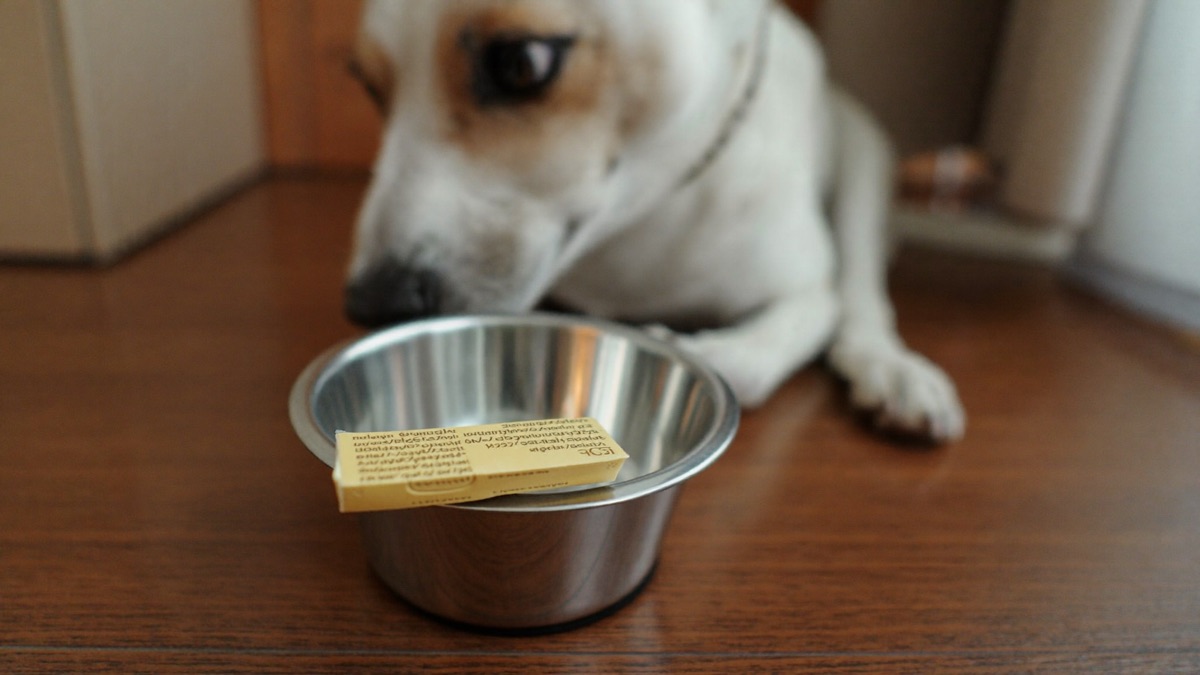
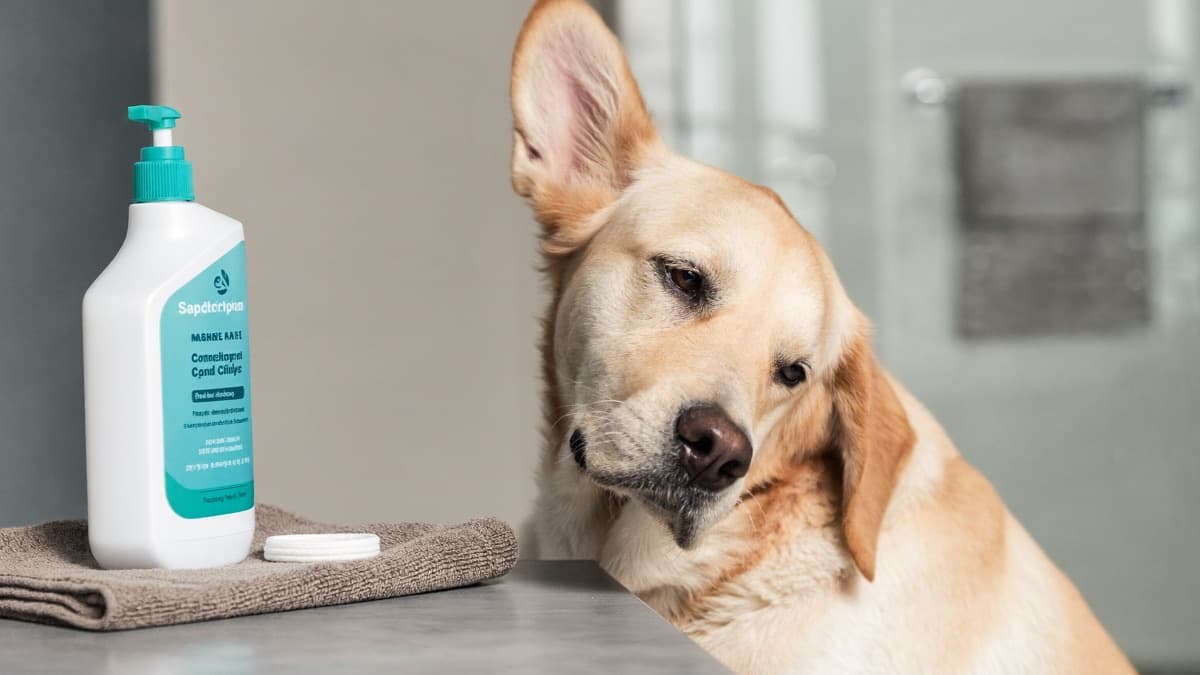
- A dog ear cleaner your vet recommends. For most dogs in this climate that means a drying or wax-dissolving formula. Never use alcohol, hydrogen peroxide, vinegar mixes, or human ear drops — they sting inflamed skin and some are dangerous if the eardrum isn't intact.
- Cotton pads or gauze — soft, wide, and impossible to push around the canal's corner.
- A towel you don't mind sacrificing, because step four is a head shake that redecorates the room.
- Treats. Ear cleaning your dog tolerates happens twice a month for life; ear cleaning your dog fears happens twice, ever.
How do I clean my dog's ears step by step?
- Look and sniff first. A healthy ear is pale pink, has a thin film of wax at most, and smells like nothing. Redness, swelling, dark discharge, a musty or foul smell, or pain when you lift the flap means stop — see the last section.
- Lift the ear flap and hold the bottle just above the opening. Don't jam the nozzle down the canal; if the tip touches the ear, wipe it before it goes back in the bottle.
- Fill the canal with cleaner until you see fluid pooling at the opening. It looks like too much. It isn't — the canal runs down and then inwards, and the fluid has to reach the horizontal part you can't see.
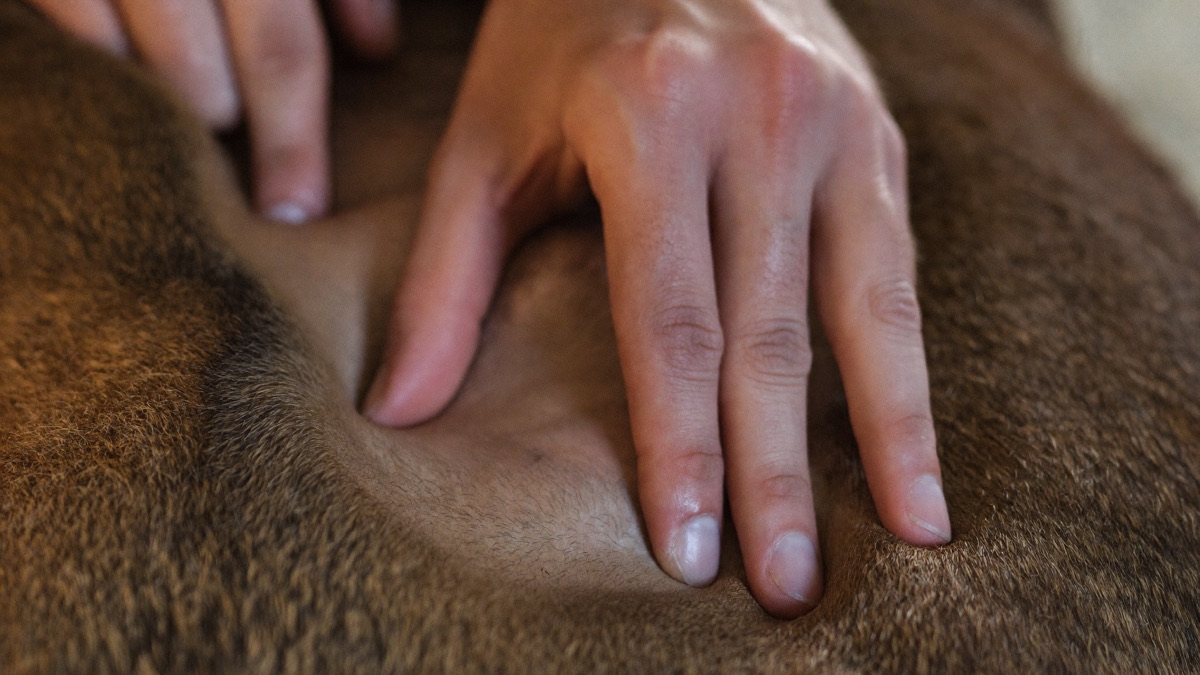
- Massage the base of the ear — the cartilage tube below the opening — for 20 to 30 seconds. You should hear a squelch. This is the actual cleaning: the fluid is dissolving wax and lifting debris off the canal wall.
- Stand back and let the dog shake. The shake flings the loosened gunk up and out of the canal. This step is why you do this in the bathroom or outdoors.
- Wipe the flap and the opening with a cotton pad wrapped around your finger — only as deep as your finger naturally reaches. Repeat with fresh pads until they come away clean, then treat and praise.
How often should I clean my dog's ears?
More is not better — over-cleaning irritates the canal and causes the inflammation you're trying to prevent. Match the schedule to the ear, and adjust on your vet's advice:
| Ear type | Examples | Routine cleaning |
|---|---|---|
| Upright, open ears | Singapore Specials, Shibas, Corgis | Monthly, or only when visibly waxy |
| Floppy ears | Golden Retrievers, Labradors, Beagles | Every 1–2 weeks |
| Hairy canals | Poodles, Shih Tzus, Malteses | Every 1–2 weeks, plus grooming attention |
| Ear-infection veterans | Any breed with past otitis | Every 1–2 weeks, as your vet directs |
| Swimmers | Any breed that swims | After every swim, on top of the above |
The weekly sniff test costs nothing and catches problems early: the day a healthy-smelling ear turns musty, you've found an infection at its cheapest stage.
What's the routine after swims and rain?
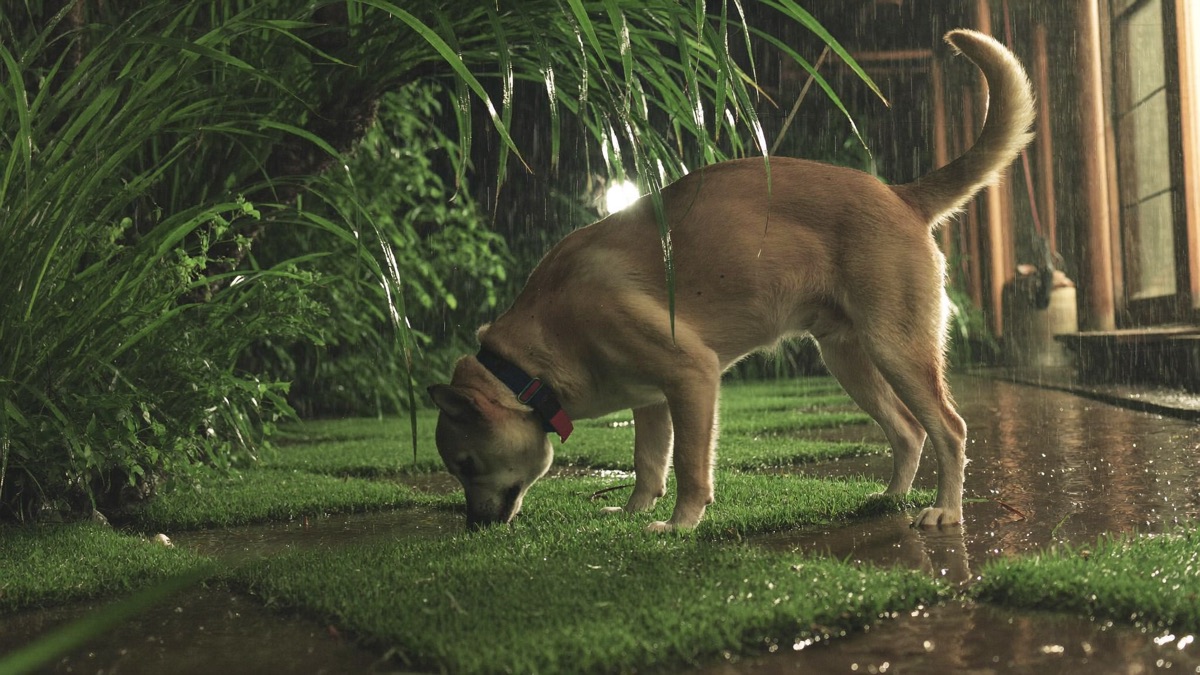
Water pooled at the bottom of that L-shaped canal is how most tropical ear trouble starts, and in Singapore and Malaysia there is no dry season to bail you out. After every swim, bath, or soaking rain walk: blot the flap and opening with a towel or cotton pad, and use your drying ear cleaner if your dog is floppy-eared, hairy-eared, or has any infection history. The same logic applies to the rest of the coat — drying properly after water is the rule that prevents most skin problems in this climate too.
When should I stop and see a vet instead?
Cleaning is maintenance for healthy ears — it is not treatment, and cleaning an infected ear delays diagnosis while the infection digs deeper. Book a vet within a few days if you see:
- A musty or foul smell, or dark brown, yellow, or green discharge
- Redness, swelling, or a canal that looks narrowed or wet
- Head shaking, scratching, or rubbing the ear along furniture
- Pain — crying, flinching, or snapping when the ear is handled
- A head tilt, wobbliness, or a puffy, swollen ear flap — these are same-day signs
If the ear looks angry, put the cleaner away and let the vet see the ear as it is. A pre-cleaned infected ear is harder to swab and diagnose.