How does toad poisoning happen?
Toads defend themselves with glands behind the head that secrete a milky toxin containing compounds that act on the heart and nervous system. A dog doesn't need to swallow the toad; mouthing, licking, or carrying one presses the glands and coats the gums and tongue in toxin, which absorbs rapidly through the mouth's lining. Dogs find the slow, hopping movement irresistible, which is why terriers, puppies, and playful adolescent dogs are the usual patients. Drinking from a water bowl a toad sat in overnight can also deliver a dose.
What are the signs of toad poisoning in dogs?
The signature sign is sudden, dramatic foaming or frothing at the mouth — often described as looking like the dog ate a bar of soap — with frantic head-shaking and pawing at the muzzle. Watch for:
- Profuse drooling and foaming, brick-red or irritated gums
- Pawing at the mouth, head shaking, whining
- Vomiting or retching
- Wobbly, drunken walking or disorientation
- Abnormal heart rhythm, very fast or very slow pulse
- Tremors or seizures, collapse
Mild mouth irritation and full-blown cardiac toxicity look identical in the first five minutes. Assume the worst and act.
What is the correct first aid for toad poisoning?
The goal is simple: get the toxin off the gums before more absorbs, without washing any of it down the throat.
- Turn your dog's head to point slightly downward and sideways — never tilt the muzzle up.
- Run water from a hose or tap across the mouth from one side, so it flows in one cheek and straight out the other side, carrying foam and toxin with it. A gentle flow works; a jet aimed down the throat can push water into the lungs.
- Keep rinsing for at least 10 minutes, wiping the gums and tongue outward with a wet cloth between rinses.
- Do not induce vomiting — the toxin works through the mouth lining, and vomiting adds risks without removing it.
- Then go to a vet immediately, even if your dog looks recovered. Call ahead; if it's late evening (and it usually is), find your nearest 24-hour clinic through the SVA vet centres directory. Heart rhythm effects need a vet's ECG to detect.

There is no home antidote. At the clinic, vets monitor the heart, control seizures and rhythm abnormalities with medication, and give fluids and supportive care. Dogs treated early — meaning a proper rinse at home followed by prompt veterinary monitoring — usually do well. Dogs found seizing in the garden an hour later face much worse odds.

When and where do dogs meet toads here?
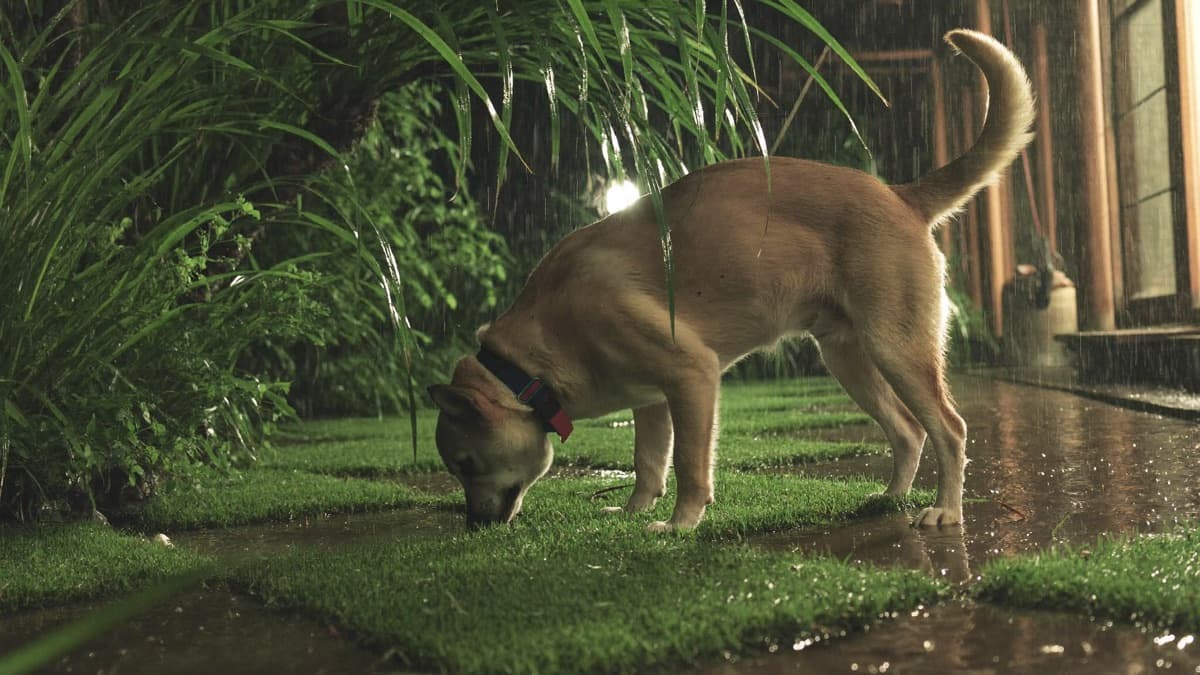
Toads in Singapore and Malaysia are most active at night and in the hours after rain, when they come out onto wet grass, garden beds, and pavements to feed on insects. Peak-risk moments for dogs:
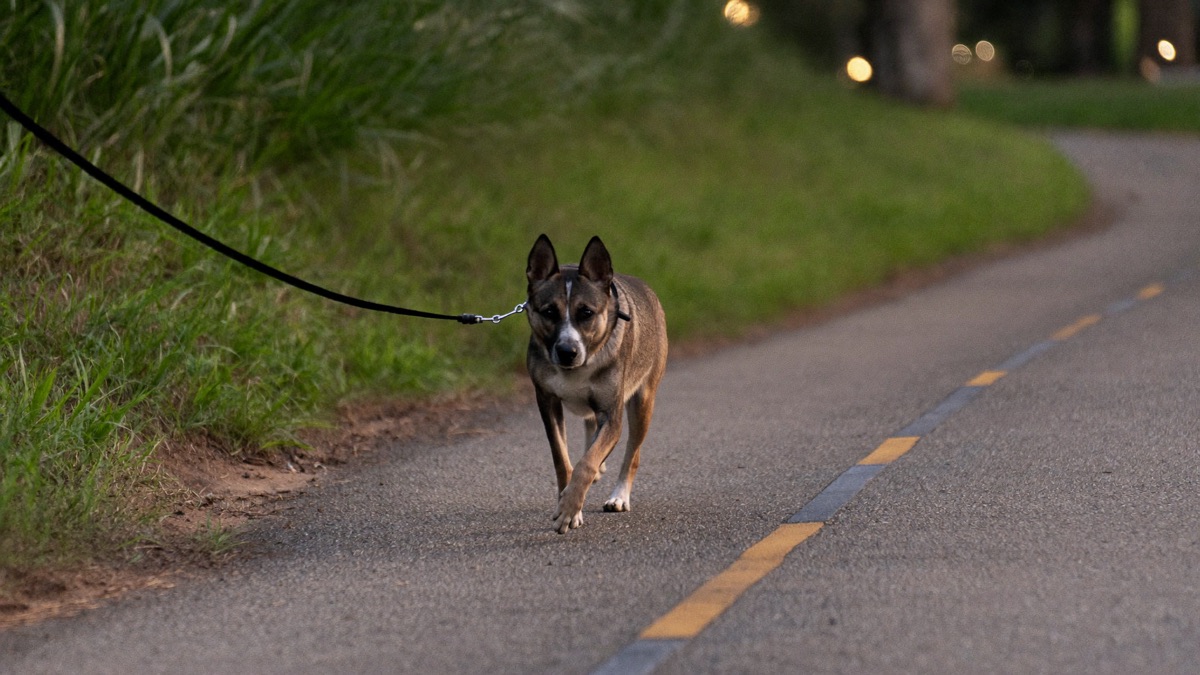
- The last toilet break of the night, especially in landed-property gardens and along park connectors
- Post-thunderstorm walks, when toads sit out in the open
- Unsupervised garden time after dark — the classic scenario is an owner who hears sudden yelping and finds a foaming dog by the drain
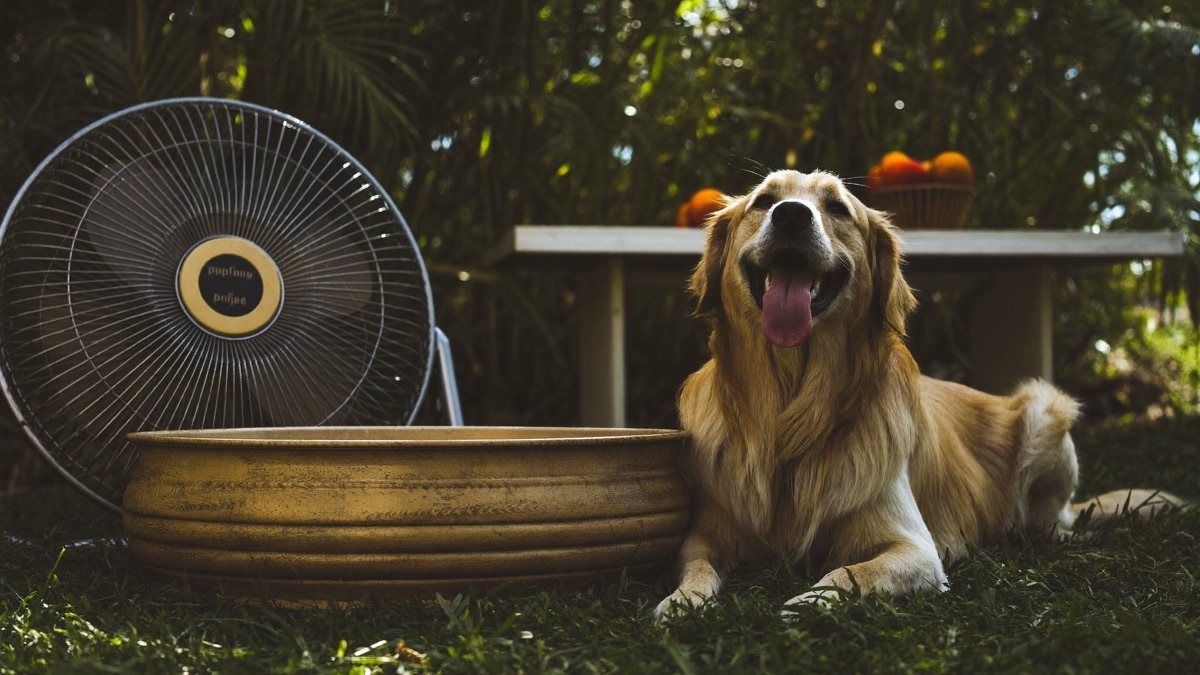
- Around outdoor water bowls, ponds, and drains, which toads use for breeding and shelter
During monsoon-season evenings, walk with a torch, keep your dog leashed on grass, and do a quick sweep of the garden before letting the dog out. Wet-season vigilance overlaps with another rainy-weather disease worth knowing — see our leptospirosis guide.
Why do dogs go back for another toad?
Frustratingly, one bad experience rarely teaches the lesson. The toxin's effect isn't immediate enough for the dog to connect the misery to the toad, and the movement trigger is hard-wired — a hopping toad simply activates prey drive. Dogs that have mouthed a toad once should be treated as repeat offenders: leash them for night garden trips, teach a solid "leave it" command, and physically block favourite toad spots like gaps under planter boxes. Some owners in landed homes fence off the drain line for exactly this reason.
Keep your mouth-rinsing technique fresh in your mind each wet season, and make sure everyone in the household — including helpers who do the night toilet run — knows the sideways-rinse rule and the location of your emergency numbers card. Our dog first aid kit guide covers what to keep ready.