How do dogs catch leptospirosis?
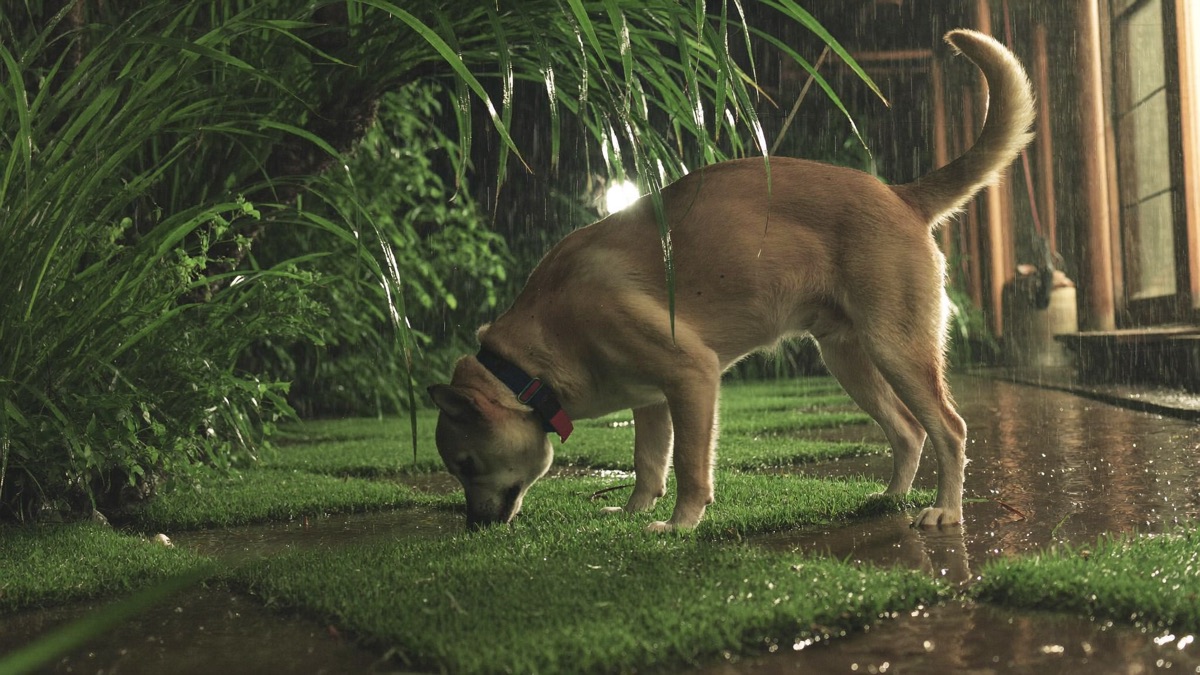
Leptospira bacteria are shed in the urine of infected animals — rats above all, but also other wildlife — and survive for weeks in warm, wet environments: puddles, drains, floodwater, damp soil, and stagnant ponds. Dogs become infected when contaminated water gets in through:
- Drinking from puddles, drains, or flooded grass
- Mucous membranes — a nose or mouth investigating wet ground where rats have been
- Broken skin — cuts and scratched paws wading through floodwater
- Contact with rats themselves, alive or dead
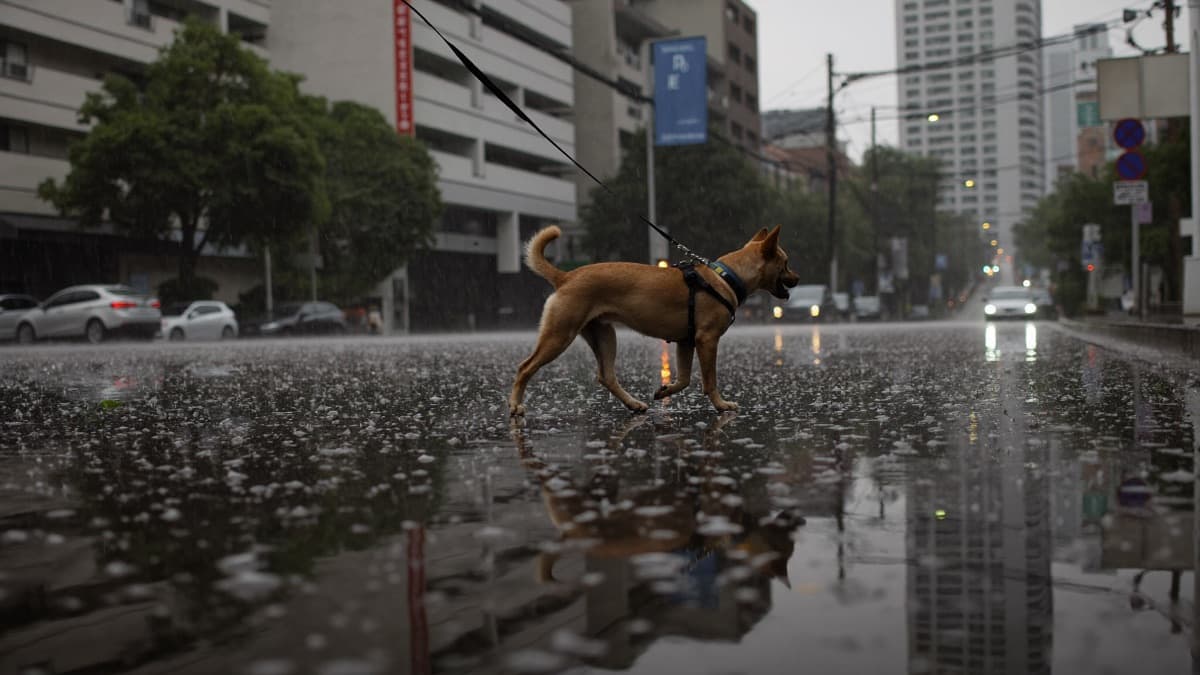
The highest-risk picture is familiar to anyone here: a dog splashing through post-thunderstorm puddles at a void deck, park connector, or back lane, then licking its wet paws. Flood-prone areas during monsoon season concentrate the risk — floodwater is essentially a pooled sample of everything the drains held, rats' contributions included.
What are the symptoms of leptospirosis in dogs?
Early leptospirosis is deceptively vague, then escalates. The rough sequence:
| Stage | What you may see |
|---|---|
| Early (first days) | Fever, shivering, lethargy, muscle soreness or reluctance to move, poor appetite, vomiting, diarrhoea |
| Progressing | Drinking and urinating far more — or far less — than usual, dehydration |
| Advanced | Jaundice (yellow tint to gums, eyes, and skin), dark urine, kidney and liver failure, bleeding problems |
Some infected dogs show almost nothing and still shed bacteria; others crash within days. The pattern worth burning into memory: a feverish, flat dog with any history of puddle or floodwater contact in the past two weeks is a lepto suspect — say so at the clinic, because early antibiotics work well, while established kidney failure may need intensive care such as fluids, hospitalisation, and in severe cases dialysis, with no guaranteed outcome. Vomiting with lethargy has many causes, most of them milder — our vomiting guide covers when to worry — but the puddle history is what should push you to the vet fast.
Can my family catch it from the dog?
Yes. Leptospirosis is zoonotic — one of the reasons vets take it seriously. People catch it the same way dogs do: contact between infected urine and broken skin or mucous membranes. Most human cases in the region come from environmental exposure rather than pets, but an infected dog shedding bacteria in urine at home is a genuine household risk, particularly for children, pregnant women, and anyone immunocompromised.
If your dog is diagnosed or under suspicion:
- Wear gloves handling urine, bedding, and accidents; disinfect the area afterwards
- Have the dog toilet in one designated spot away from play areas and standing water
- Wash hands thoroughly after any contact, and avoid the dog licking faces
- Follow the full antibiotic course — it also shortens the shedding period
- Tell your own doctor about the exposure if anyone in the household develops an unexplained fever
Should my dog get the leptospirosis vaccine?
For most dogs in Singapore and Malaysia, the case is strong. Lepto is a non-core vaccine, but "non-core" reflects global averages — in a wet tropical city with rats, the exposure assumptions change. The modern vaccines protect against the major disease-causing strains, are typically given as two doses a few weeks apart, then an annual booster, and the annual part matters: protection fades, and a lapsed booster is close to no protection. It usually slots into the puppy series alongside the core shots — see the lepto entries in our puppy vaccination schedule. Discuss your dog's actual exposure with your vet: a dog that walks park connectors, swims, hikes, or lives near flood-prone streets sits well above baseline risk. General pet health guidance for Singapore is also published by the Animal & Veterinary Service.
How do I reduce the risk day to day?
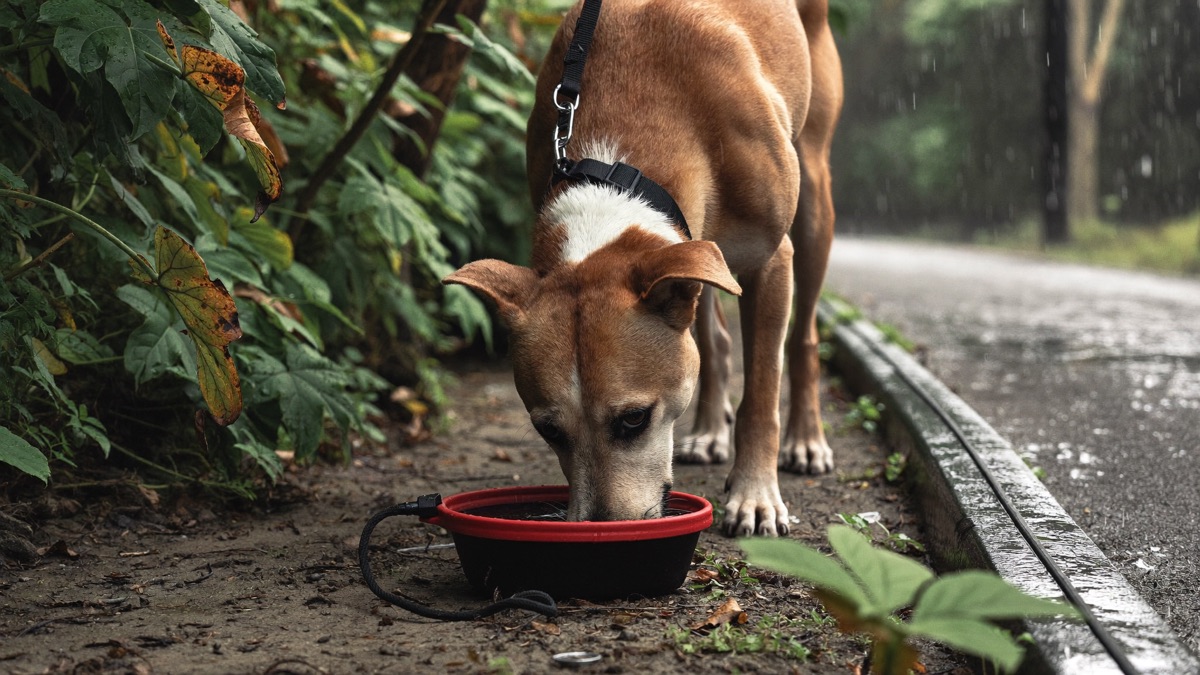
- Break the puddle-drinking habit — carry water on every walk so thirst never argues for the drain. Our water intake guide covers how much to offer.
- Steer around standing water after rain, especially murky puddles near drains and bins
- Avoid flooded fields and swollen streams during monsoon months; towel-dry paws and legs after wet walks
- Control rats at home — secure rubbish, clear fallen fruit, don't leave dog food outdoors overnight
- Rinse and check paw cuts promptly — broken skin is an entry point, and wet-season wounds need watching anyway (see our wound care guide)
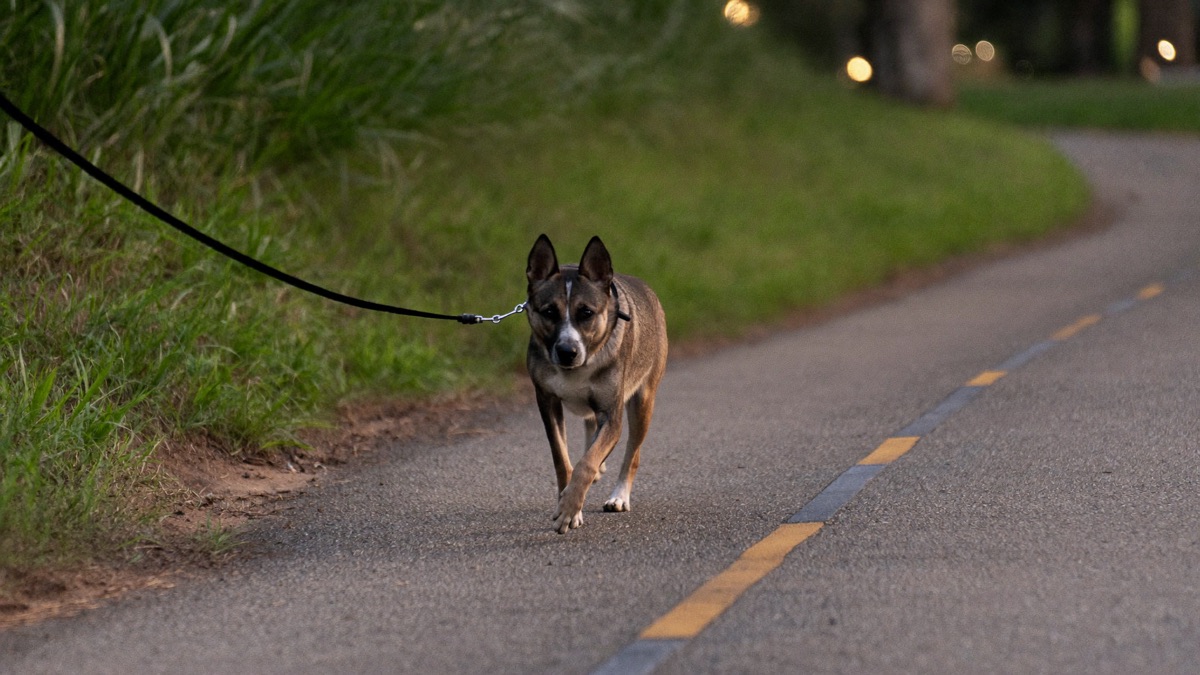
None of this requires keeping a dog indoors all wet season. A leashed walk with clean water offered, puddles skipped, and the vaccine kept current removes most of the realistic risk.