Is avocado toxic to dogs?
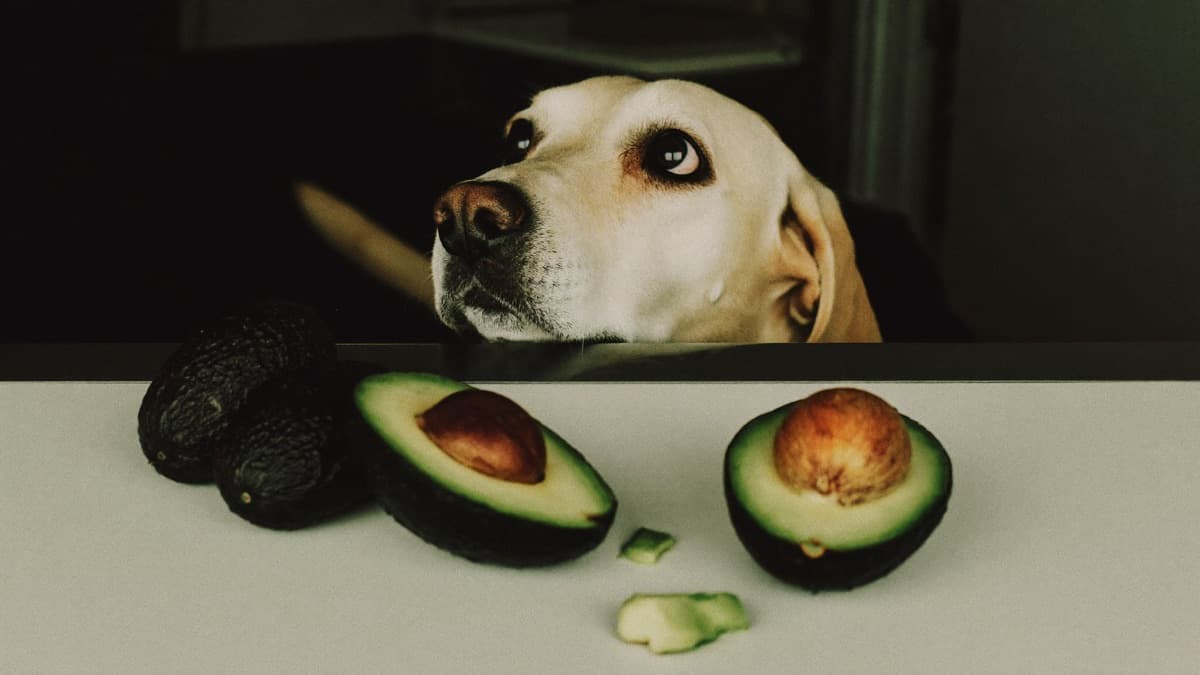
Avocado contains persin, a natural fungicidal compound. Persin is seriously toxic to birds, rabbits, horses, and some livestock — but dogs are relatively resistant to it. In dogs, the realistic outcome of eating some ripe flesh is mild stomach upset: vomiting or diarrhoea, sometimes nothing at all.
So why the caution? Persin is concentrated in the leaves, skin, and pit rather than the ripe flesh, dogs vary in sensitivity, and the flesh brings a second problem that has nothing to do with toxins: fat. There is no portion of avocado that does a dog measurable good and cannot be replaced by a safer treat, which is why the standard veterinary advice lands on "skip it" rather than "small amounts are fine."
Which parts of the avocado are dangerous?
The risk is very unevenly distributed across the fruit:
| Avocado part | Risk level | Why |
|---|---|---|
| Ripe flesh (small amount) | Low | Little persin; possible mild stomach upset; high in fat |
| Skin | Moderate | More persin; tough and hard to digest |
| Pit | High | Choking and intestinal obstruction — a common surgical emergency shape |
| Leaves, stems, bark | High | Highest persin concentration; keep dogs away from avocado plants |
The pit deserves special emphasis. It is smooth, round, and slippery — almost engineered to be gulped and then stuck. Obstructions can require surgery, and the danger is mechanical, so it applies to every dog regardless of persin tolerance.
What about the fat in avocado?
Avocado is one of the fattiest fruits there is. Those fats may be "healthy" in a human diet, but a sudden fatty load is a known trigger for pancreatitis in dogs — a painful, sometimes serious inflammation of the pancreas that frequently means hospitalisation. Breeds prone to pancreatitis (Miniature Schnauzers among them) and dogs with a previous episode should not get avocado in any amount. Even for robust dogs, regular avocado is an efficient route to weight gain, since even a small piece uses up a big share of a small dog's daily treat allowance. The same fat-and-pancreatitis caution applies to another rich local favourite — see can dogs eat durian.
Can dogs eat guacamole?
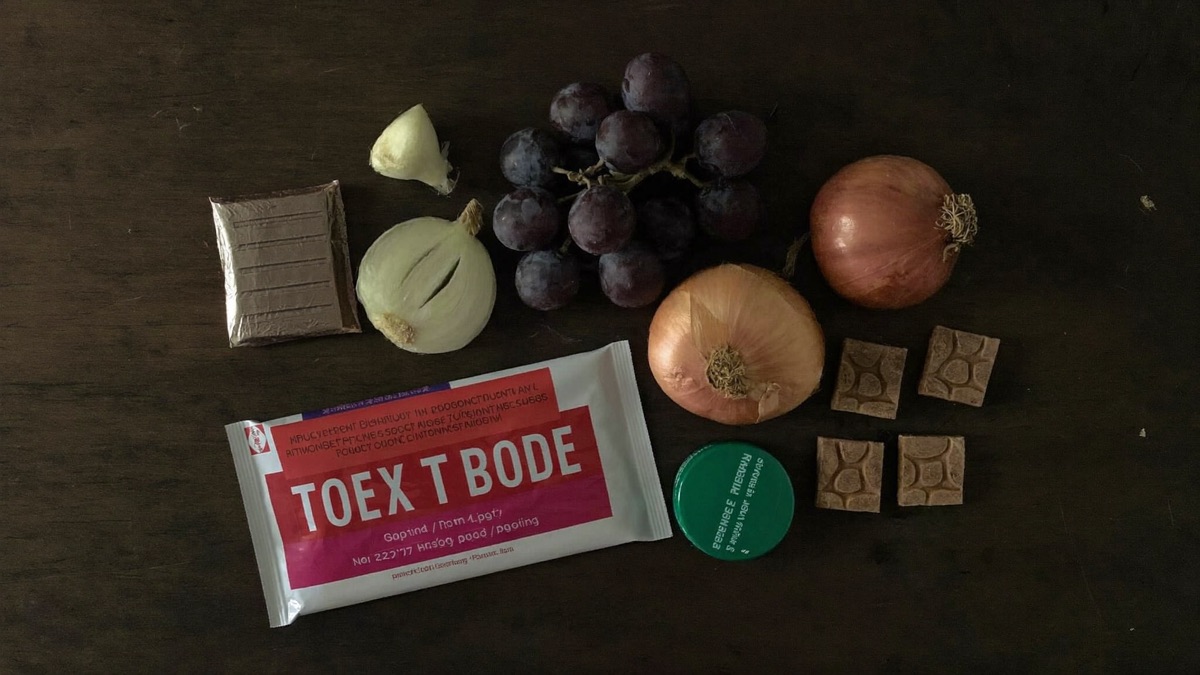
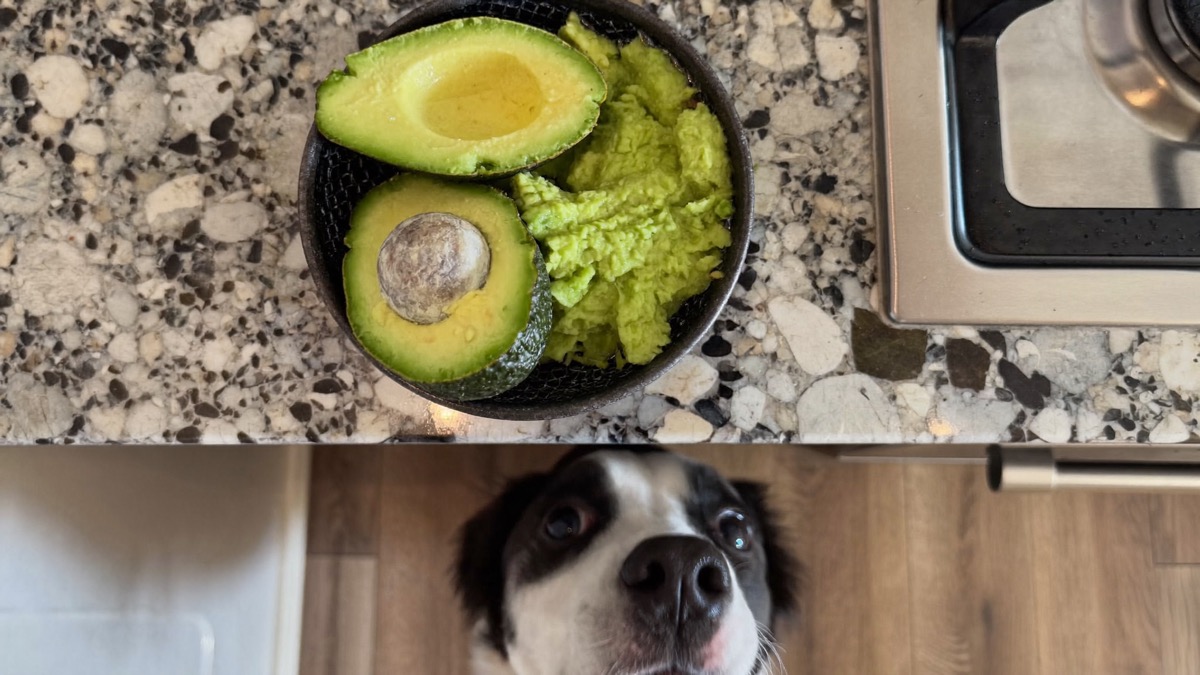
No, and this is often the real-world question behind the search. Guacamole layers the avocado issue with onion and garlic — both toxic to dogs, both capable of damaging red blood cells with effects that surface days later — plus salt, lime, and sometimes chilli. A dog that raided the guacamole bowl at a gathering warrants a call to the vet, with a note of roughly how much was eaten and what was in it.
The same logic rules out the avocado milkshakes and jus avokado sold at mamak stalls and juice bars across Malaysia and Singapore — the condensed milk and sugar stack a dairy-and-sugar load on top of an already fatty fruit. Keep the straw to yourself.
When should I call the vet?
Make the call if any of these apply:
- Your dog swallowed an avocado pit, or you suspect it — treat as urgent, do not wait
- Your dog ate avocado skin, leaves, or several fruits' worth of flesh
- Vomiting or diarrhoea lasts beyond 24 hours, or your dog shows belly pain, hunching, or refusal to eat — possible pancreatitis, which needs prompt treatment
- Your dog ate guacamole or any avocado dish containing onion or garlic
For a lick of plain flesh off the chopping board, watch and wait is reasonable: offer water, feed normally, and monitor for a day. Singapore owners can turn to the Animal & Veterinary Service — the main touch-point for pet matters — for general guidance, but for a suspected pit ingestion, go straight to the nearest 24-hour clinic.
What should I give my dog instead?
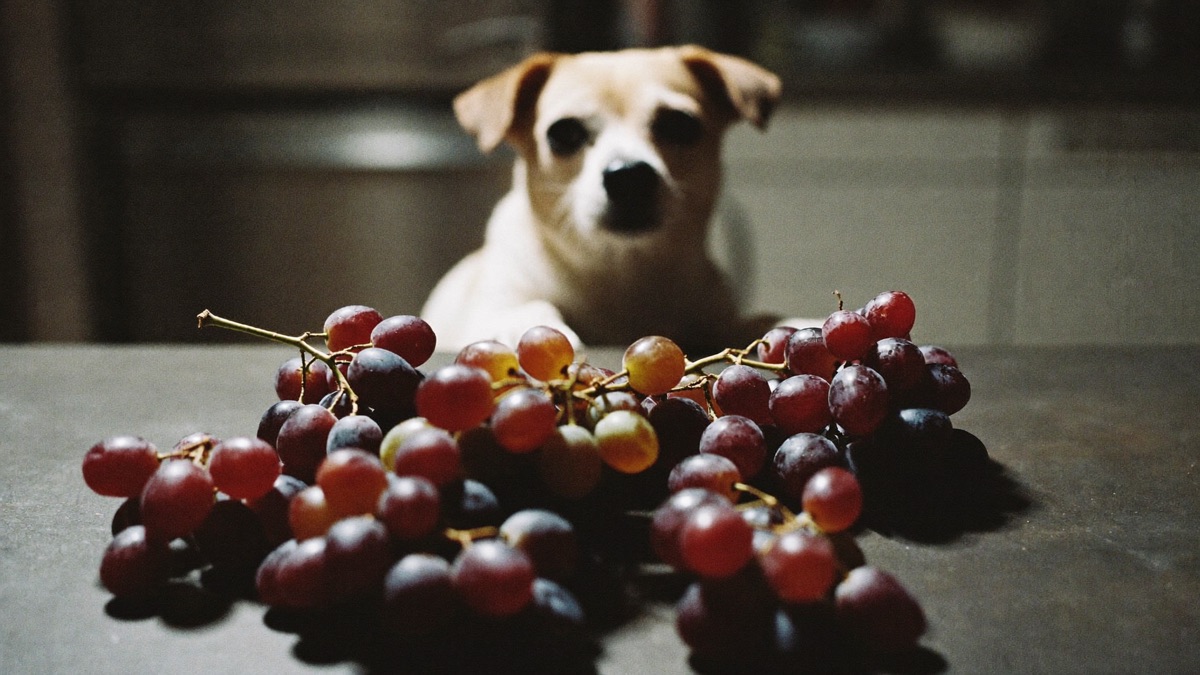
If the appeal was a soft, green, healthy-feeling treat, there are cleaner choices with none of the caveats: cucumber slices, steamed green beans, or a little plain pumpkin. Keep the truly dangerous list separate in your mind — grapes and raisins (kidney failure, no safe dose), onion and garlic, and xylitol in sugar-free products, all on our list of foods dogs can't eat. Avocado is not in that catastrophic tier, but it earns its place on the do-not-feed list the boring way: modest risk, zero necessary benefit. Your dog is not missing anything.