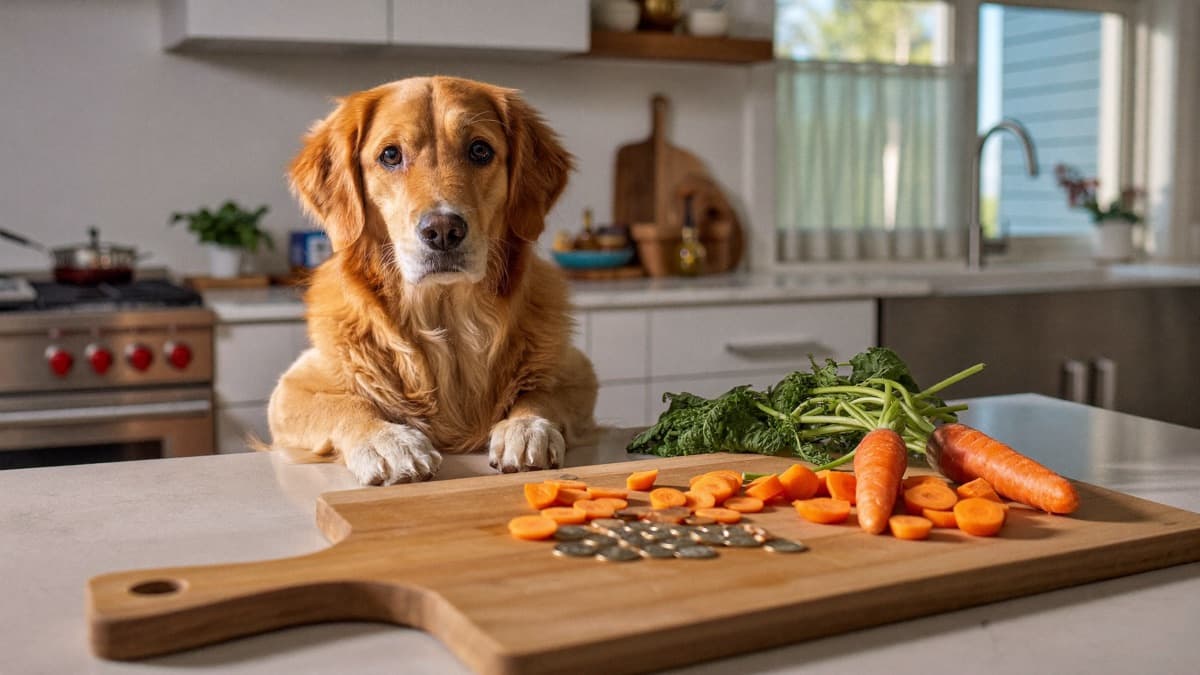
Why are carrots good for dogs?
Carrots earn their reputation on three fronts:
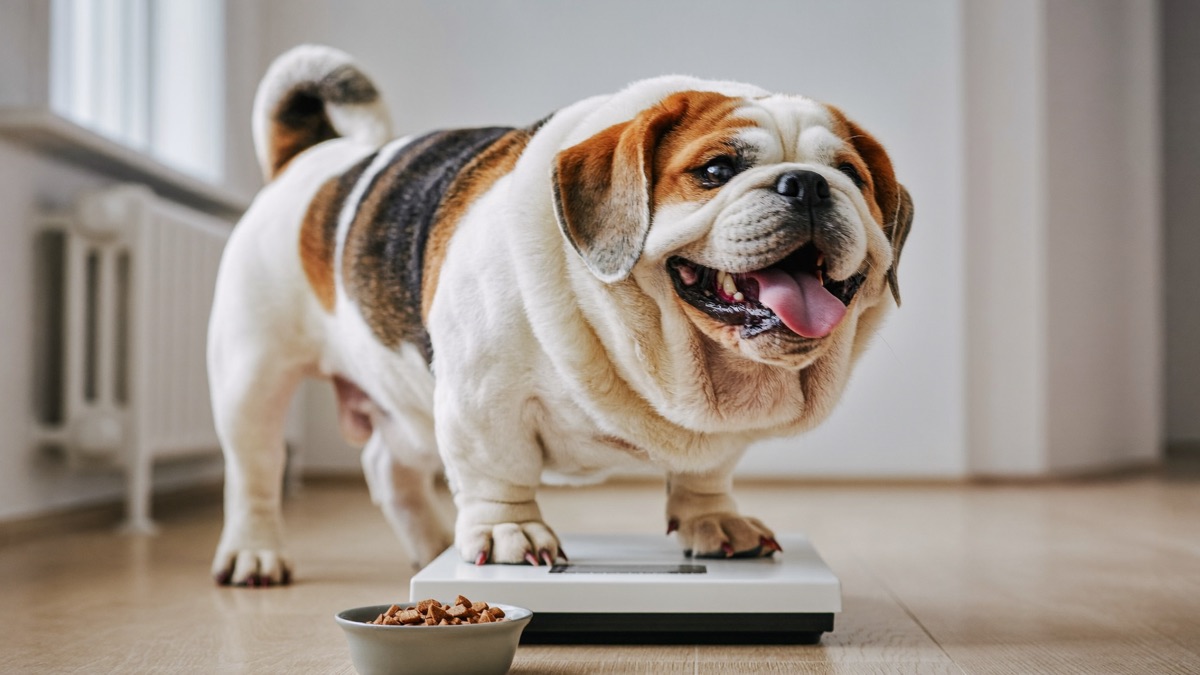
- Low-calorie crunch. A baby carrot has roughly 4 calories against 30 or more for a commercial biscuit. For dogs on a diet, that means you can keep rewarding without keeping the weight on.
- Beta-carotene. Carrots are rich in beta-carotene, which a dog's body converts to vitamin A for eye health, skin, and immune function. They also carry fibre, vitamin K, and potassium.
- Chewing satisfaction. The firm texture gives dogs something to work at, and gnawing on a raw carrot offers mild scraping action on the teeth — not a substitute for brushing, but a pleasant bonus.
Nothing in a carrot is toxic to dogs. The two things to manage are portion size and choking risk, both easily handled.
How much carrot is safe for my dog?
Treats of any kind — carrots included — should stay under about 10% of your dog's daily calories. Carrots do contain natural sugar, so unlimited grazing is not the goal, especially for diabetic dogs.
| Dog size | Example breeds | Safe portion per day |
|---|---|---|
| Small (under 10 kg) | Chihuahua, Toy Poodle, Shih Tzu | A few thin coins or half a baby carrot, chopped |
| Medium (10–25 kg) | Beagle, Singapore Special, Border Collie | 3–5 baby carrots or half a medium carrot |
| Large (over 25 kg) | Labrador, Golden Retriever, GSD | One medium carrot, cut appropriately |
Introduce carrots gradually the first week. A sudden pile of fibre can loosen stools in any dog.
Should carrots be raw or cooked?
Both work, and the difference is worth knowing. Raw carrot cells are wrapped in tough cellulose walls that dogs cannot break down well, so raw pieces often reappear in the stool looking much as they went in. Your dog still gets the crunch, the chew, and some of the nutrition — just not all of it.
Lightly steaming or boiling carrots softens those cell walls, making the beta-carotene and other nutrients easier to absorb, and makes the texture safer for seniors with worn teeth. Serve them plain: no butter, no honey glaze, no seasoning. If you batch-cook for the week, plain steamed carrot coins keep well in the fridge for a few days.
Can small dogs choke on carrots?
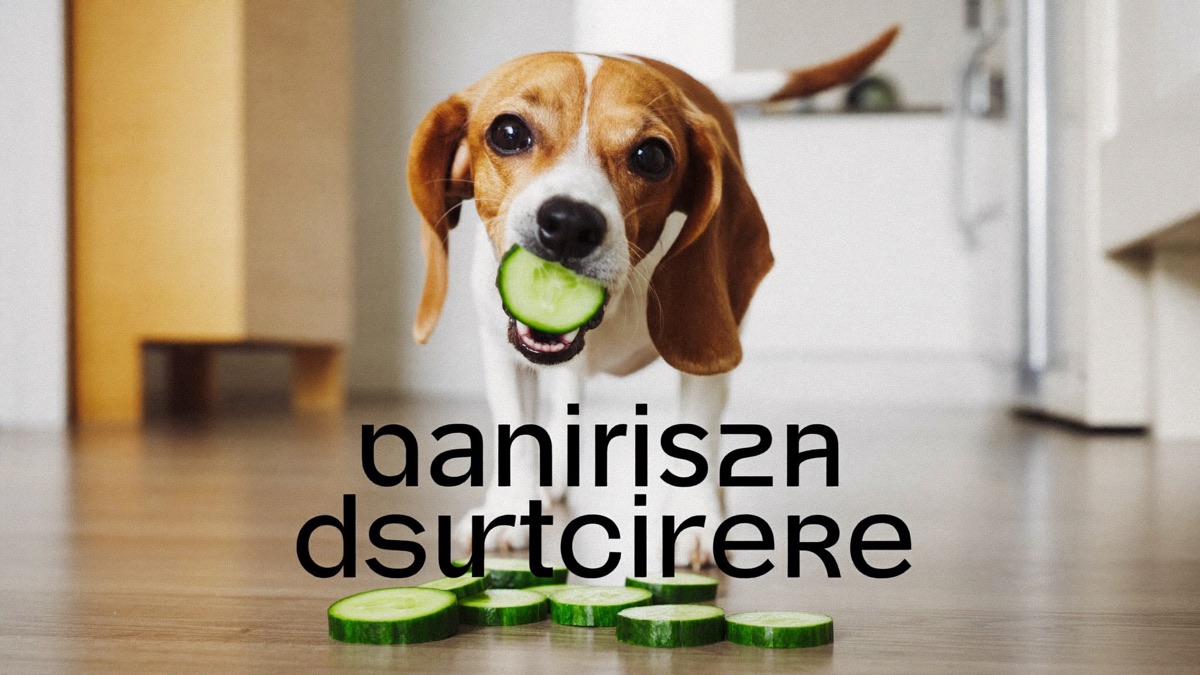
They can, and this is the one real risk. A hard, cylindrical chunk of raw carrot is exactly the shape that lodges in a small dog's throat. For dogs under 10 kg, cut raw carrot into thin coins or matchsticks rather than chunks, and never toss a whole baby carrot to a dog that gulps rather than chews. For enthusiastic gulpers of any size, grated raw carrot over meals delivers the same food with zero choking geometry.
Do frozen carrots help teething puppies?
Yes — a whole frozen carrot is a classic vet-suggested teething chew. The cold numbs sore gums while the firm texture gives the puppy something legitimate to gnaw instead of your table legs. Use a full-sized carrot too big to swallow, supervise the session, and bin the carrot once it has been whittled down to a swallowable stub. If your puppy is in the thick of the chewing phase, our puppy teething guide covers what is normal and what helps.
When should I call the vet?
Carrot trouble is rare, but act if you see:
- Gagging, retching, pawing at the mouth, or laboured breathing after swallowing a chunk — possible choking or obstruction
- Vomiting or diarrhoea that continues beyond 24 hours
- Your dog raided carrot cake or a glazed dish — call promptly if it contained raisins, nuts, or a xylitol-sweetened frosting
Mild orange-tinged or fibre-flecked stool after a carrot session is normal and harmless. For anything urgent, head to your nearest 24-hour clinic — in Malaysia, the Department of Veterinary Services is the national animal-health authority for official guidance.
Which orange snacks are not as innocent?
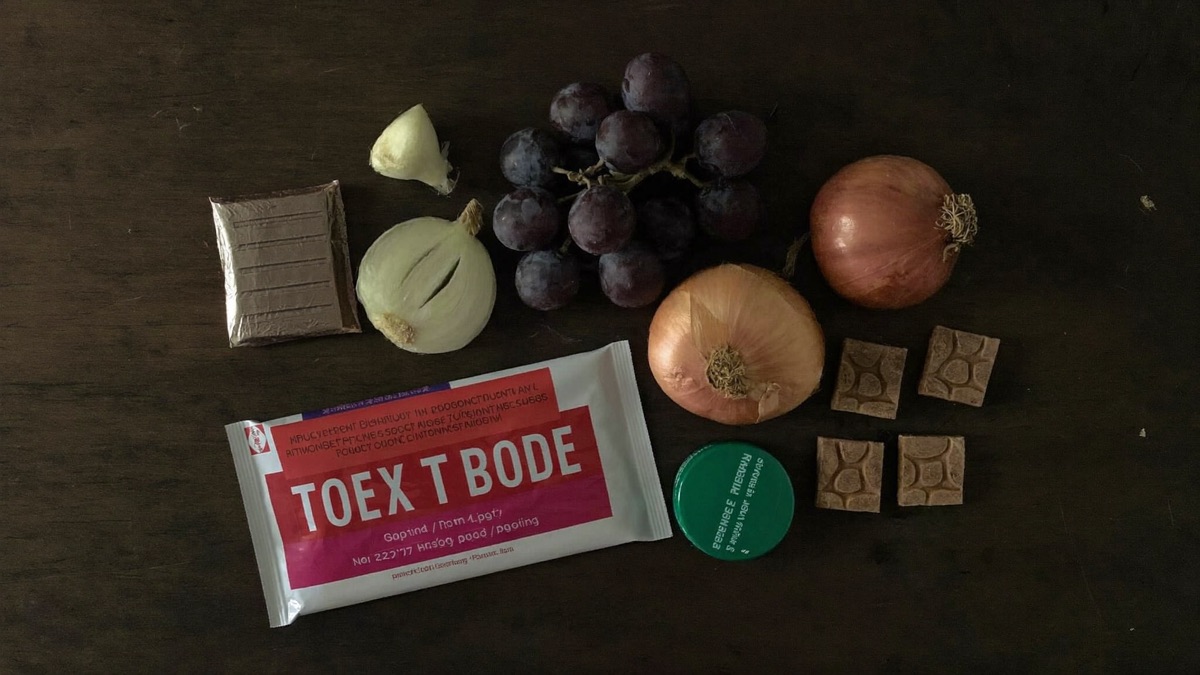
Plain carrot is safe; its dressed-up relatives are not. Carrot cake brings sugar, fat, and frequently raisins — which can cause kidney failure in dogs — plus the risk of xylitol in "sugar-free" frosting. Glazed or honey-roasted carrots from the dinner table add butter and seasoning a dog does not need, and anything cooked with onion or garlic is off the menu entirely. Keep it simple: the carrot straight from the fridge is the version your dog should know.