Is papaya good for dogs?
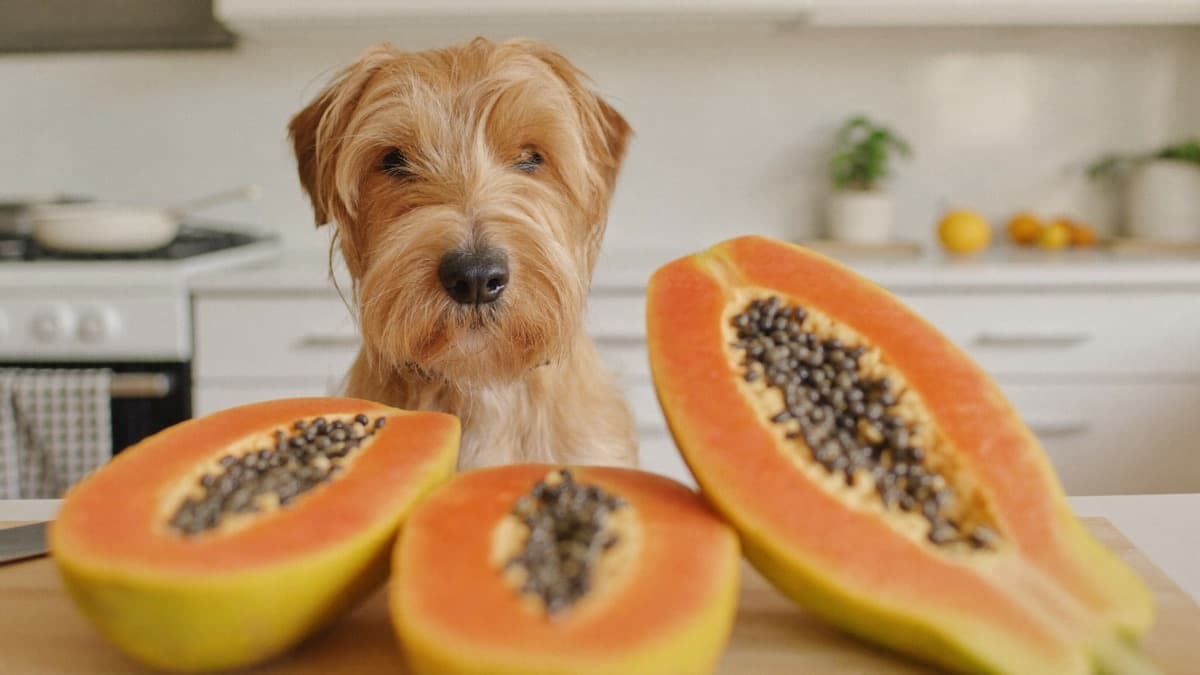
In small amounts, yes. Ripe papaya offers fibre, vitamins A, C and E, potassium and folate, and it is relatively gentle on the stomach compared with richer fruits. Papaya also contains papain, a natural enzyme that helps break down protein — one reason the fruit has a reputation for being easy to digest.
As with any fruit, sugar is the limiting factor. Papaya is moderately sweet, so treat it as a topper or snack, keep all treats under 10 percent of your dog's daily calories, and ask your vet first if your dog is diabetic or on a weight-loss plan.
How much papaya is safe for my dog?
Serve ripe flesh cut into cubes suited to your dog's size, a few times a week at most.
| Dog size | Example weight | Safe amount per serving |
|---|---|---|
| Small (Chihuahua, Toy Poodle, Shih Tzu) | Under 10 kg | 1–2 small cubes (about 1 tablespoon) |
| Medium (Beagle, Singapore Special, Corgi) | 10–25 kg | 2–3 cubes (about 2 tablespoons) |
| Large (Golden Retriever, Labrador, GSD) | Over 25 kg | Up to a quarter cup of cubes |
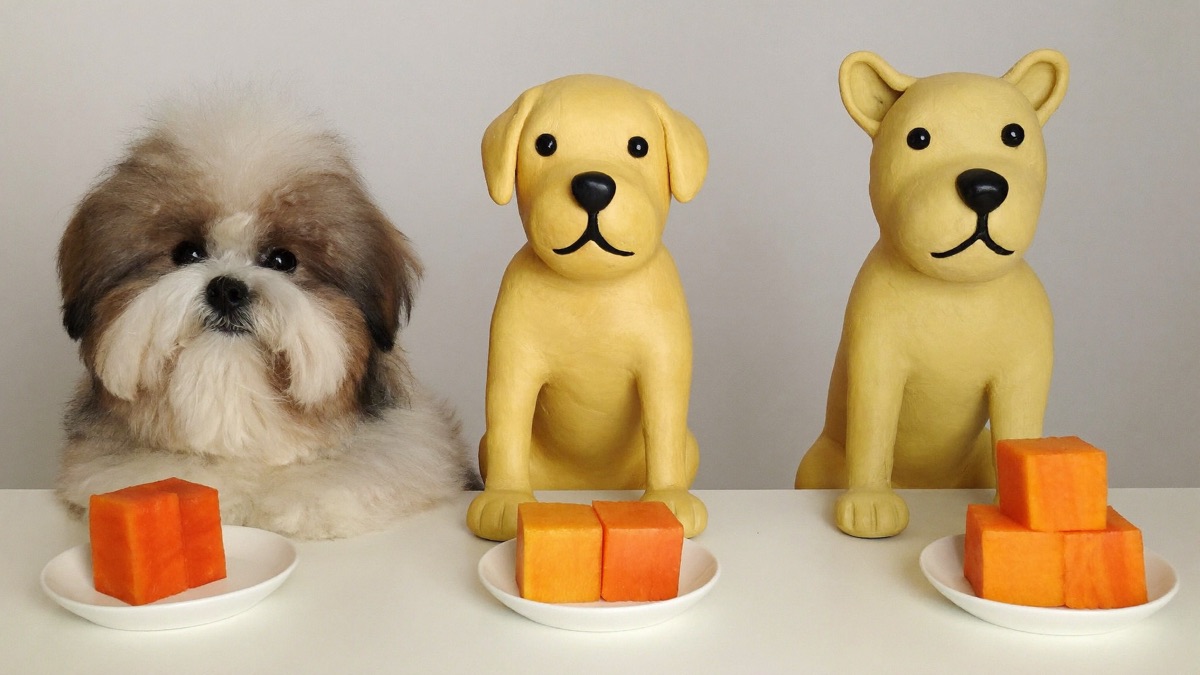
Introduce papaya with a single cube and watch for 24 hours. A little soft stool means you should back off the portion or drop it entirely.
Frozen papaya cubes work well as a cooling treat in our climate, and a spoon of mashed ripe papaya over regular food is an easy way to add variety for fussy eaters. Whatever the format, the rule is the same: ripe flesh only, plain, and in the amounts above.
Can a Shih Tzu eat papaya?
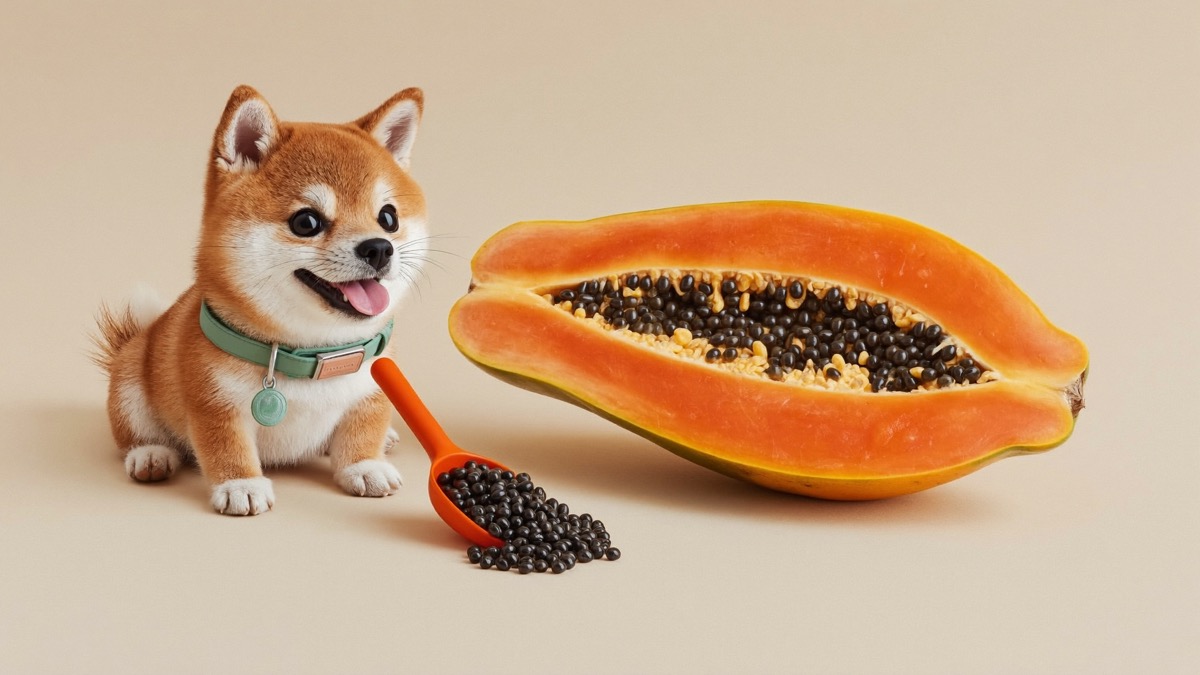
Yes — a Shih Tzu can eat one or two small cubes of ripe, deseeded papaya as an occasional treat. Papaya is one of the gentler fruits on a small dog's stomach, but the seeds are a choking risk for a toy breed, so scoop out every one and peel the skin. Skip green papaya and any papaya salad. For more on feeding this breed, see our Shih Tzu care guide, or our pineapple guide for another safe tropical fruit.
Can dogs eat papaya seeds?
No — scoop them all out. The slippery black seeds are easy for a dog to gulp, and in quantity they can irritate the gut or contribute to a blockage in smaller dogs. Halve the fruit, spoon out every seed, then peel and cube the flesh.
Is unripe (green) papaya safe for dogs?
Skip green papaya. Unripe fruit is firmer, starchier and noticeably harder for dogs to digest, and the white latex sap in green papaya can irritate the mouth and stomach. If the flesh is still pale and crunchy, it is not ready for your dog.
There is a second, sneakier risk in this region: green papaya usually appears in salads — kerabu betik, som tam and similar dishes — dressed with garlic, shallots, chilli and dried shrimp. Garlic and onions are genuinely toxic to dogs, so never share seasoned green papaya salad, however hopeful the eyes under the table. The same rule applies to any papaya from a rojak plate: the sauce and seasonings are the problem, not just the fruit.
Is boiled green papaya good for dogs? Cooking softens green papaya and takes the edge off the starchy, latex-heavy texture that makes it hard to digest raw, so a little plain, boiled, unseasoned green papaya is unlikely to harm a healthy dog. It earns no place in the bowl on its own merits, though, and locally it rarely arrives plain — green papaya soup is usually simmered with garlic, onion, ikan bilis stock or pork bones, all of which put it firmly off-limits. If you want the benefits of papaya, ripe orange flesh is safer, sweeter and easier all round.
When should I call the vet?
Ring your vet if:
- Your dog ate a large amount of seeds or skin and shows vomiting, a painful belly, poor appetite or straining without passing stool.
- Vomiting or diarrhoea after papaya lasts more than 24 hours.
- Your dog ate green papaya salad or any dish containing garlic, onion or chilli — garlic and onion toxicity can take days to show, so call rather than wait.
- Your dog is diabetic and got into a lot of fruit.
When in doubt, phone your clinic — describing what was eaten and how much takes two minutes and removes the guesswork. If you're between vets in Singapore, the Singapore Veterinary Association keeps a directory of member clinics.
Which common foods are actually toxic to dogs?
Papaya being dog-safe is no reason to assume the rest of the fruit stall is. Keep these off the menu entirely:
- Grapes and raisins — associated with acute kidney failure, even in small amounts.
- Onions and garlic — damage red blood cells; common in the salads and sauces served with green papaya.
- Xylitol — a sweetener in sugar-free gum, drinks and desserts that is life-threatening to dogs.
If your dog eats any of these, contact your vet or an emergency animal clinic straight away.
Check another food: the can dogs eat checker gives a verdict and safe amount for everyday foods and local dishes.