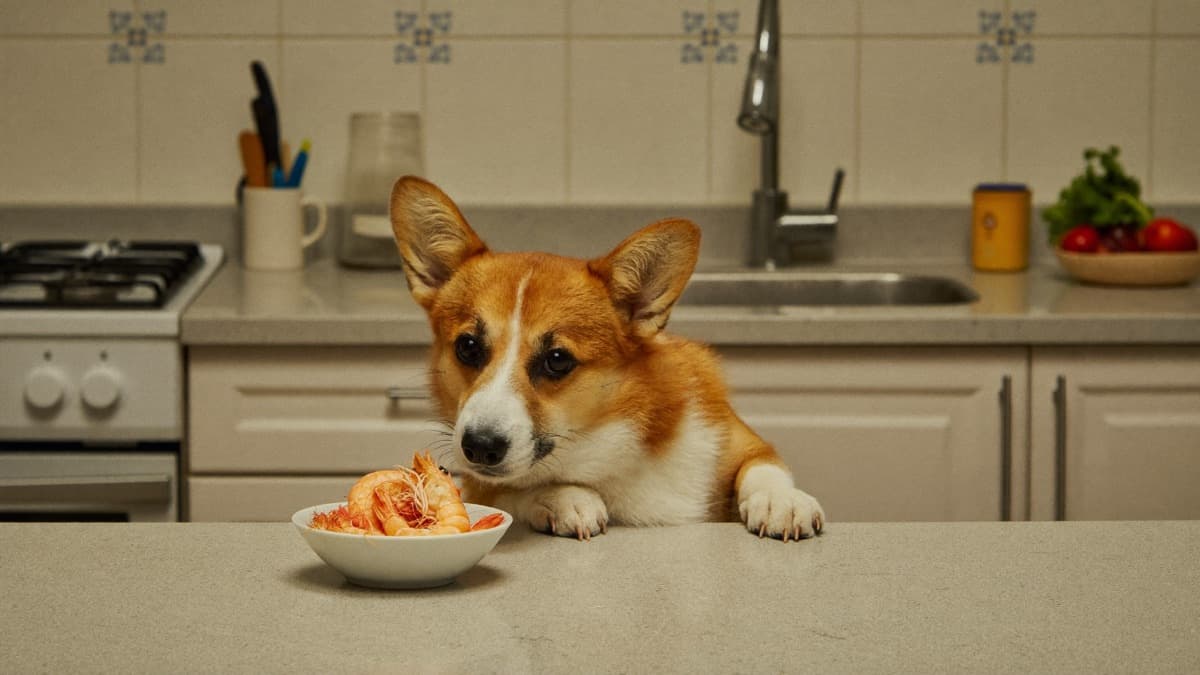
Are prawns good for dogs?
In modest amounts, prawns are a respectable treat: lean protein, vitamin B12, iodine and some omega-3s, with very little fat. They do contain cholesterol, which matters far less for dogs than for people, but their size makes portion control easy — one prawn is a natural "unit".
The non-negotiables: cooked through (never raw — raw shellfish carries bacteria like vibrio and salmonella), peeled completely, and free of any sauce, butter, garlic or seasoning. Steamed or boiled is ideal. Butter-fried, cereal, salted-egg and cheese-baked prawns are hawker treasures and dog hazards in equal measure.
How many prawns are safe for my dog?
Cooked, fully shelled, deveined and plain — inside the 10 percent treat allowance.
| Dog size | Example weight | Safe amount per serving |
|---|---|---|
| Small (Chihuahua, toy poodle, shih tzu) | Under 10 kg | Half to 1 medium prawn, chopped |
| Medium (beagle, Singapore Special, border collie) | 10–25 kg | 1–2 medium prawns |
| Large (golden retriever, GSD, labrador) | Over 25 kg | 2–3 medium prawns |
Treat these as occasional, not daily — a couple of times a week at most.
Why are prawn shells, heads and tails dangerous?
Three separate problems:
- Choking and lodging. Tail fans and heads are awkward, rigid shapes. A greedy dog gulps rather than chews, and a tail segment can stick in the throat.
- Sharp points. A prawn's head carries the rostrum — the serrated spike between the eyes — plus legs and antennae. Tiger prawn heads especially can jab the mouth, throat or stomach lining on the way down.
- Poor digestibility. Shell is chitin, which dogs digest badly. Larger pieces pass through slowly, scratching as they go, and a pile of shells eaten from a bin can compact into a painful mass.
So the rule is total: peel to the last segment, pull off the tail fan, and keep the discard pile out of nose reach. A dog raiding the shell bowl after a chilli prawn dinner is a genuinely common emergency-visit story.
Why is sambal and seasoning the bigger danger?
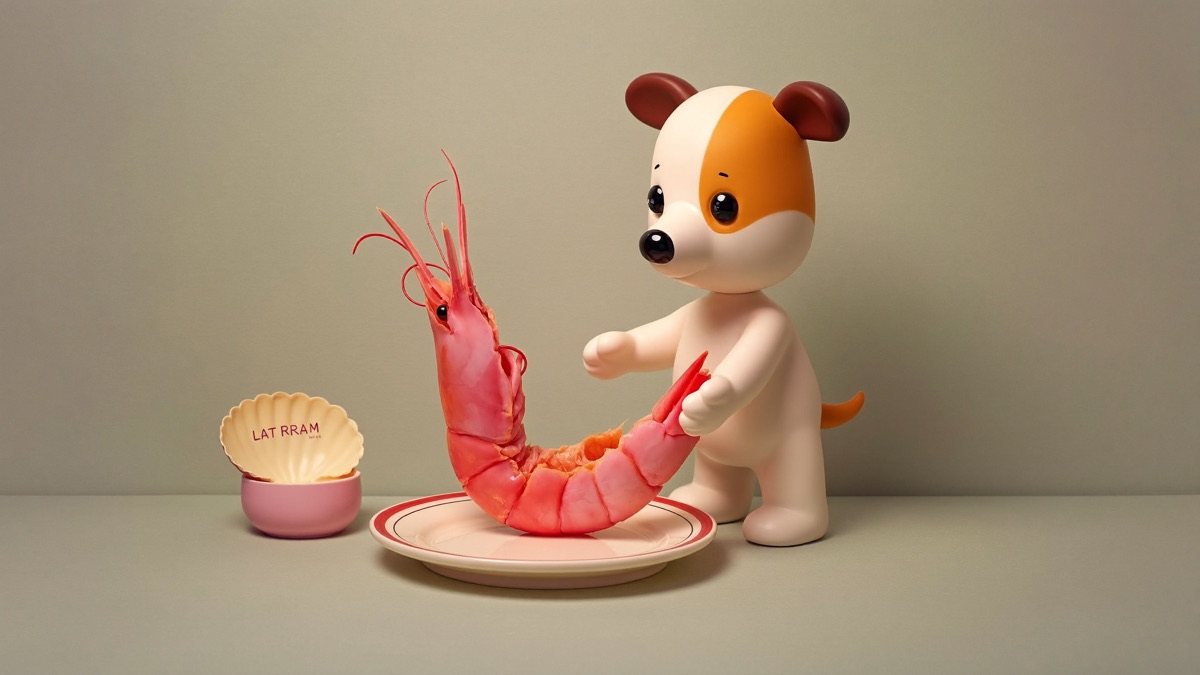
Because in this region, prawns rarely arrive plain. Sambal is built on chilli, garlic, shallots and belacan (fermented prawn paste): garlic and shallots are outright toxic to dogs — they destroy red blood cells and can cause anaemia — while chilli inflames the gut and belacan carries an enormous salt load. Butter and cereal prawns add dairy fat and sugar; har cheong gai-style fermented prawn paste marinades add more salt again.
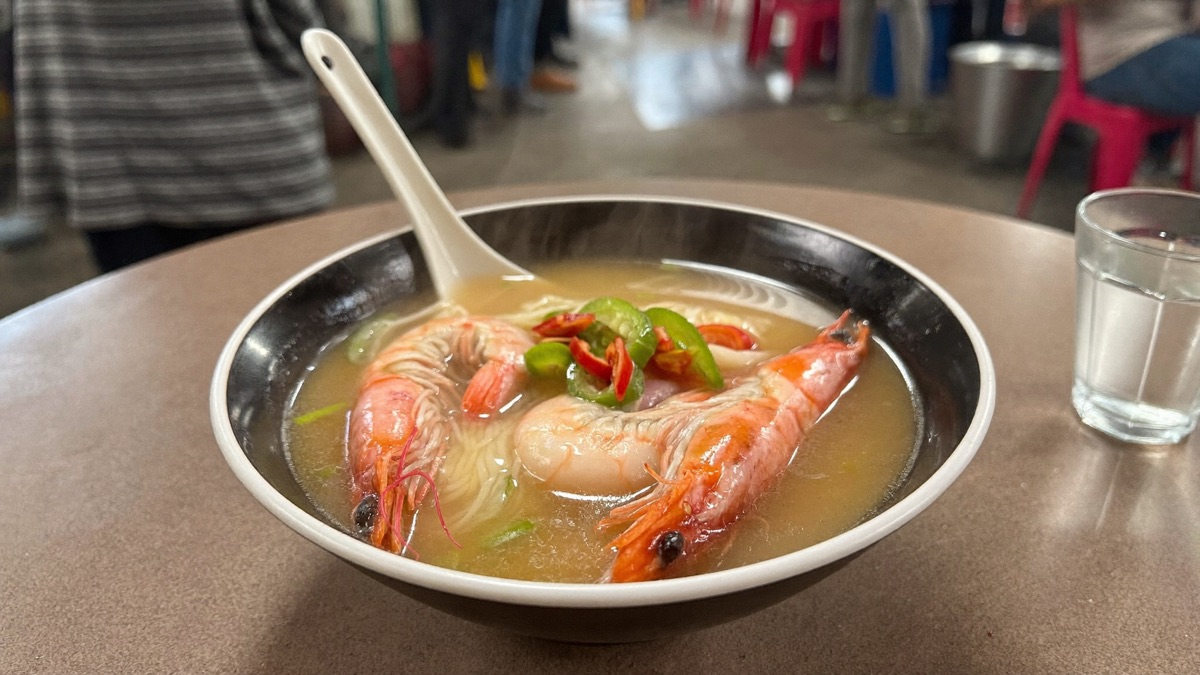
Prawn mee deserves its own mention. The soup's depth comes from prawn heads and shells boiled down with pork and a lot of salt — delicious, and far too salty for a dog, quite apart from the chilli oil floating on top. Do not tip the leftovers into the dog bowl, and watch takeaway bags left at floor level.
Can dogs be allergic to prawns?
Yes. Shellfish is a recognised allergen for dogs, just as for people. First-time reactions can show as itching, face rubbing, hives, swollen muzzle, vomiting or diarrhoea — usually within hours. Introduce prawns the careful way: one small piece, then wait a full day before deciding they are a safe treat. If your dog already has known food sensitivities, talk to your vet first; our guide to food allergies in dogs covers how reactions are confirmed.
When should I call the vet?
Call promptly if:
- Your dog ate shells, heads or tails and is gagging, drooling, retching, pawing at the mouth or refusing food.
- Your dog got into sambal, garlic- or shallot-heavy prawn dishes — garlic toxicity signs (weakness, pale gums, dark urine) can take days, so call even if your dog looks fine now.
- You see hives, facial swelling or breathing changes after eating prawns — treat as an emergency.
- Vomiting or diarrhoea lasts more than 24 hours after any prawn snack.
In Singapore, the Animal & Veterinary Service is the national authority on animal health, but for a swallowed shell or an allergic reaction your nearest clinic is the number to ring.
Which prawn dishes and lookalikes should dogs never touch?
- Sambal, chilli and cereal prawns — garlic, shallots, chilli, salt, sugar and butter in one plate.
- Prawn noodle soup and laksa — shell-based stock, heavy salt, chilli oil and coconut richness.
- Keropok and prawn crackers — deep-fried, salty starch; one dropped cracker is not a crisis, a habit is.
- Raw prawns and drunken prawns — bacteria plus, in the drunken version, alcohol, which is toxic to dogs.
For the full list of everyday foods that outrank prawns as dangers, see our guide to foods dogs can't eat.