Is salmon good for dogs?
Salmon is the omega-3 star of the fish counter. Its EPA and DHA fatty acids support skin and coat condition, joint health, heart function and brain development in puppies — the same nutrients behind fish oil supplements for dogs. If your dog has itchy skin or a dull coat, cooked salmon as a regular small treat is one of the few table foods a vet might actively approve of.
It is also a rich fish. That healthy fat still counts as fat, so salmon portions should stay modest — especially for small breeds, overweight dogs and any dog with a history of pancreatitis.
How much salmon is safe for my dog?
Cooked through, plain, deboned, and inside the 10 percent treat allowance.
| Dog size | Example weight | Safe amount per serving |
|---|---|---|
| Small (Chihuahua, toy poodle, shih tzu) | Under 10 kg | 1–2 tablespoons, flaked |
| Medium (beagle, Singapore Special, border collie) | 10–25 kg | 3–4 tablespoons |
| Large (golden retriever, GSD, labrador) | Over 25 kg | Up to half a cup |
Once or twice a week is plenty. Check for pin bones with your fingers — salmon hides thin ones along the centre line.
Why can't dogs eat raw salmon?
Two reasons, and it is worth being precise because the internet blurs them together.
The famous one is salmon poisoning disease — a genuinely deadly infection dogs get from eating raw salmon and trout carrying a fluke infected with the bacterium Neorickettsia helminthoeca. Here is the accurate part: that parasite chain exists specifically in the Pacific Northwest of North America — Oregon, Washington, northern California, parts of British Columbia. Salmon sold in Singapore and Malaysia is overwhelmingly farmed Atlantic salmon from Norway, Chile or Tasmania, where this disease chain does not exist. So no, a stolen piece of sashimi at home is not going to cause salmon poisoning disease.
The everyday reason still stands, though: raw and undercooked salmon can carry parasites (such as anisakis) and bacteria (listeria, salmonella) wherever it comes from. Freezing to sashimi grade handles most parasites, but not bacteria — and "sashimi grade" on a supermarket label is a marketing term, not a regulated guarantee. Cooking removes every one of these question marks. For dogs, cooked is simply the answer.

Can dogs eat salmon skin?
Yes — cooked, unseasoned and in moderation. The skin carries a lot of the fat, which makes it both the tastiest and the richest part. A strip of plain baked or pan-cooked skin is a fine occasional treat for a medium or large dog; go smaller for small breeds. Crispy salmon skin from restaurants is a different story: it is usually fried, salted and seasoned, sometimes with chilli or salted egg coating. That version stays on your plate.
Can dogs eat smoked salmon?
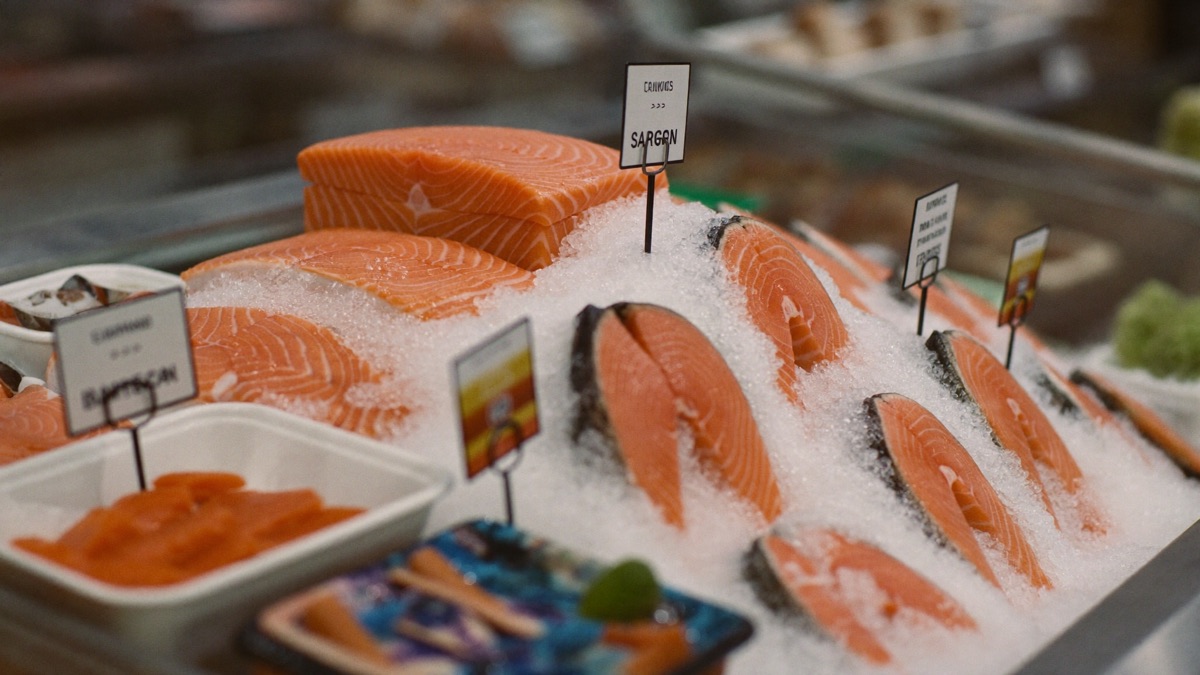
No. Smoked salmon is cured in salt — a serious load for a dog's kidneys and blood pressure, particularly for small dogs — and cold-smoked salmon is never fully cooked, so it keeps raw-fish risks too. The same goes for gravlax and salmon in poke bowls dressed with shoyu and sesame. One stolen sliver is not an emergency; a habit is a problem.
When should I call the vet?
Call promptly if:
- Your dog ate raw salmon and you are in or recently travelled through the US Pacific Northwest — salmon poisoning disease shows up as fever, vomiting, diarrhoea and swollen lymph nodes within about a week, and it is treatable if caught early.
- Your dog ate raw salmon anywhere and develops vomiting, diarrhoea or fever in the following days.
- A large amount of smoked or salted salmon went down — excessive thirst, wobbliness or tremors after salty food need urgent attention.
- Vomiting or diarrhoea lasts more than 24 hours after any salmon meal, or your dog shows a painful belly and lethargy — possible pancreatitis after a rich, fatty portion.
In Singapore, the Animal & Veterinary Service is the national authority on animal health; for anything urgent, ring your nearest clinic directly.
Which salmon dishes should stay off the dog's menu?
The fish is excellent; the preparations are the trap:
- Sashimi and poke — raw fish plus soy-based dressings; occasional stolen bites are low-risk here, but not a treat to offer.
- Smoked salmon and gravlax — salt-cured and not fully cooked.
- Salmon mentai and teriyaki-glazed salmon — mayonnaise, sugar and soy; far too rich and salty.
- Crispy salmon skin snacks — fried, salted, often chillied.
Plain cooked salmon, modest portion, bones checked — that version your dog can enjoy for years. For the wider picture on sharing seafood, see our guide to feeding fish to dogs.