Have you confirmed the new place allows your dog?
Do this before signing anything, because the failure mode — rehoming a dog to keep a lease — is brutal and common.
- HDB: only approved small breeds, one dog per flat (or a Project ADORE dog). Moving from a condo into a flat with a non-approved breed isn't a grey area; it's a rule breach with fines up to S$4,000. Full details in our HDB dog rules guide
- Condo: AVS allows up to three dogs/cats in private housing, but your MCST's by-laws can be stricter — size caps, lift rules, common-area bans. Get the by-laws in writing before you commit
- Rental: pet clauses in Singapore tenancy agreements are enforceable. "The agent said it's fine" is not a clause — get pet permission written into the TA
- Moving to JB or elsewhere in Malaysia: a cross-border move isn't a house move, it's an export — vaccination, paperwork and import requirements apply. Start with our guide to taking your dog overseas
Why is my dog acting weird while we pack?
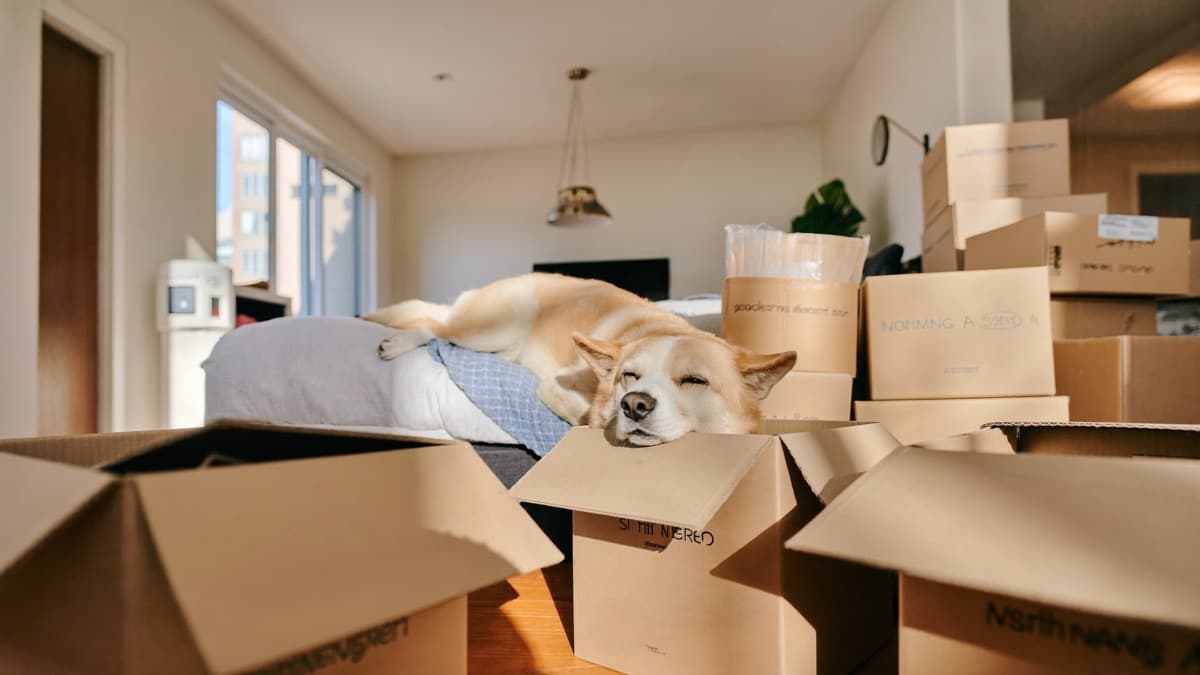
Because dogs read the room better than we credit. Boxes, furniture disappearing, your stress hormones, disrupted evenings — the den is dissolving and nobody explained why. Typical output: shadowing you between rooms, appetite dips, sighing theatrics, sometimes toileting slips. Counter it with the one thing you control completely:
- Walks, meals and bedtime at the exact usual times, no matter how behind you are on packing
- Pack the dog's zone last. Bed, crate and water station stay untouched until moving day
- Leave one or two boxes out for a week before the blitz so cardboard becomes furniture, not an event
- Ten minutes of sniffy walking or training games daily burns stress better than an hour of chaos-adjacent moping
What's the moving-day plan?
The best moving-day dog is an absent one. Book daycare, a night of boarding or a day at a friend's — doors stand open for hours, strangers carry away the sofa, and escapes happen exactly then. If the dog must be present:
- Empty one small room the day before; that's the dog room
- Bedding, water, a chew, a "DOG INSIDE — KEEP CLOSED" sign on the door
- Move that room's contents onto the truck last
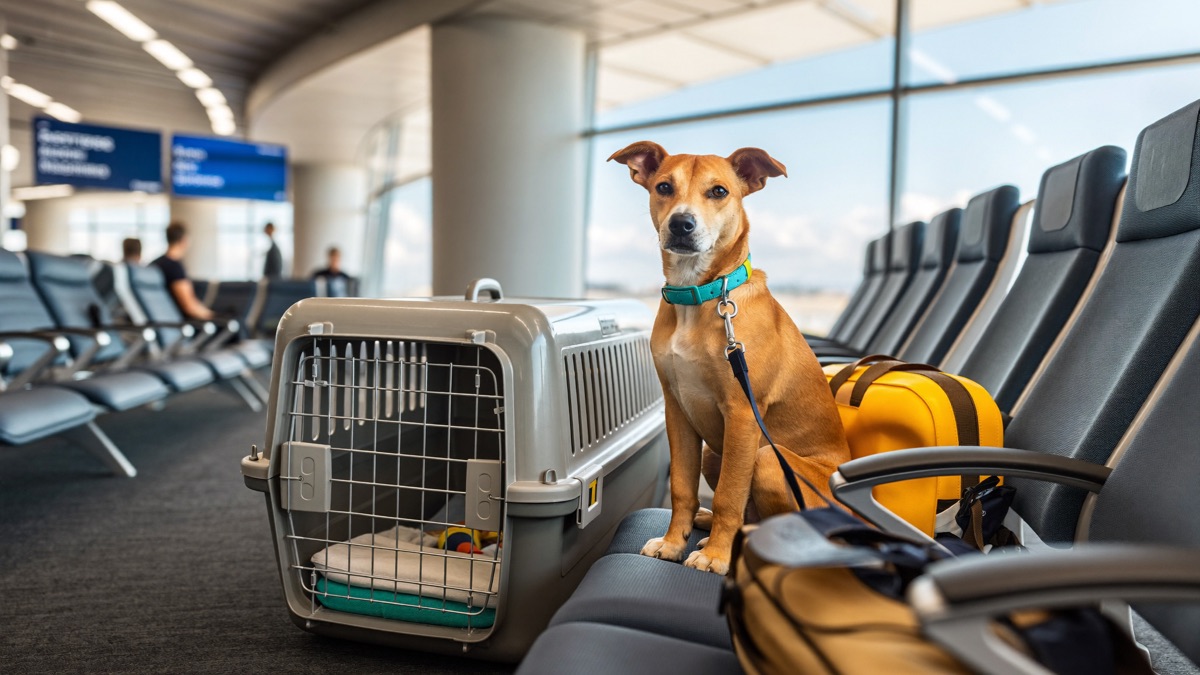
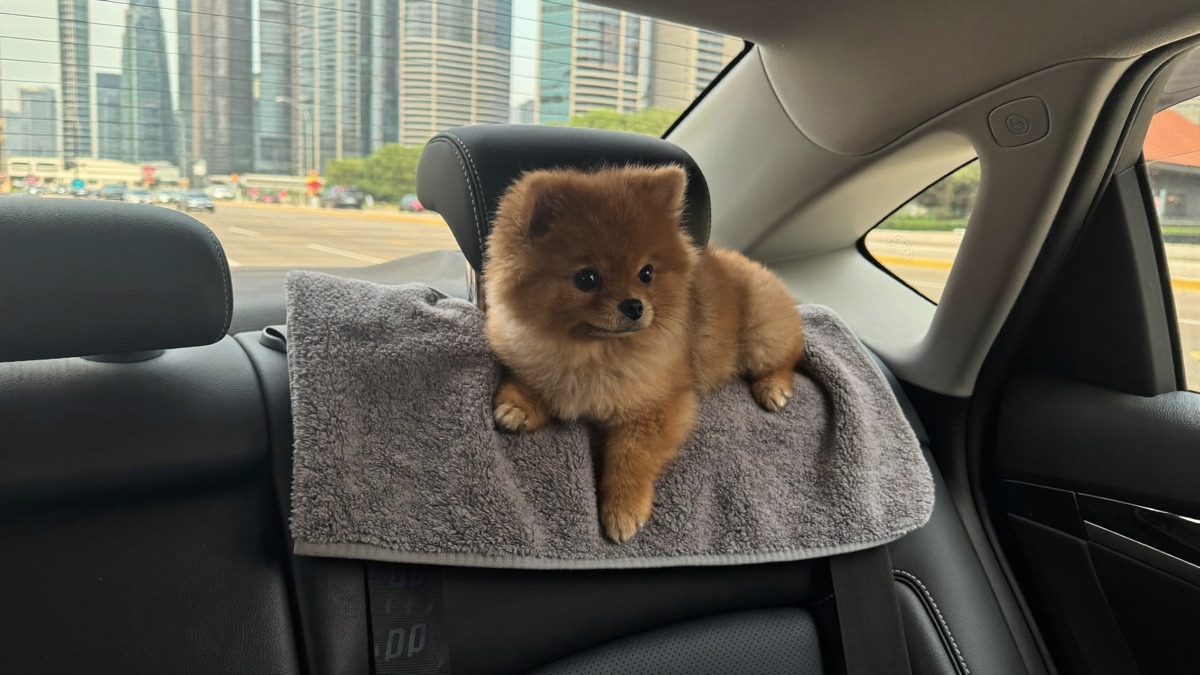
- Dog travels with you, not with the movers — on a towel, restrained, per our pet transport guide
- At the new place, set up the dog's corner first, before the furniture argument starts
How do I settle my dog in the first week?
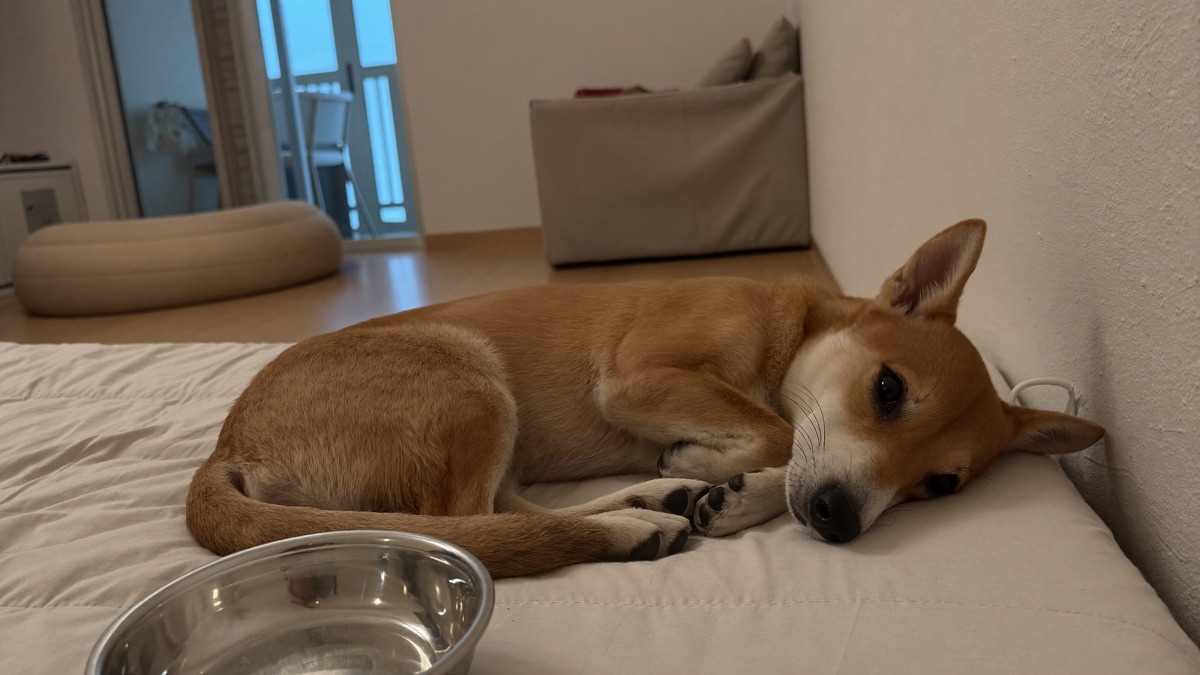
Run week one like a boring bootcamp — predictability is the product:
- Same schedule as the old flat, to the minute where possible
- Old bedding, unwashed. The smell is the point
- Toilet routine resets partially even in adult dogs: more frequent trips to the new toilet spot for a few days, rewarded like puppyhood. Expect one or two accidents without drama
- Short, repeated walks on one route so the immediate territory becomes familiar before you explore further
- Don't host a housewarming in week one. New den plus twelve strangers is a lot
- Leave the dog alone briefly and early — five minutes, then twenty — so the first real absence isn't a shock. If your dog already struggles alone, review our separation anxiety guide before the move, not after
Most dogs look normal within days; give it three weeks before judging anything as a "new behaviour problem."
What paperwork needs updating after the move?
The unglamorous step that reunites lost dogs with owners:
- AVS dog licence — update your address in the PALS portal. Licences are mandatory for all dogs regardless of housing type
- Microchip records — the chip only points to whatever contact details sit in the registry. A move is the classic moment records go stale; how the system works is covered in our microchipping guide
- Vet records — if you've changed neighbourhoods, register with a nearer clinic and have your old clinic send the history across
- Collar tag — thirty seconds and a few dollars for the fastest reunion technology ever invented
A dog that escapes in week one at a new address, wearing a tag with the new number and a chip pointing to your current details, comes home the same day. That's the whole reason this section exists.