How do I count my dog's resting respiratory rate?
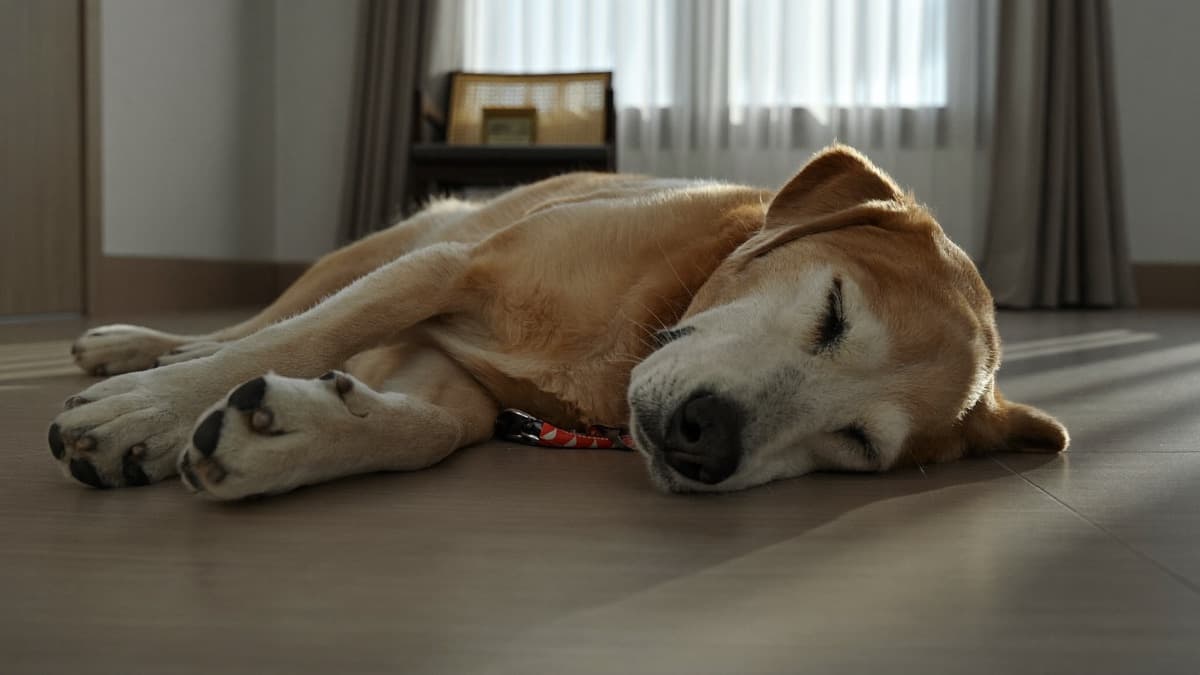
Wait until the dog is fully asleep — not dozing with ears tracking you, and not mid-dream (twitching paws and flickering eyelids skew the count; wait for the dream to pass). Then:
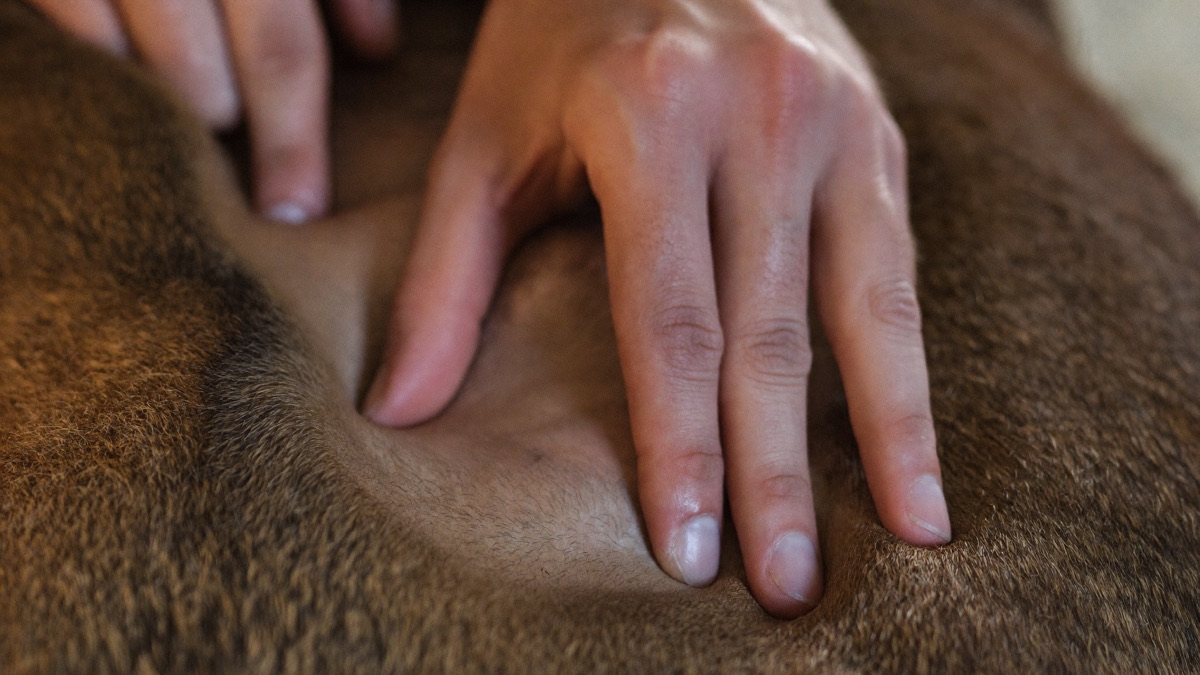
- Watch the chest or belly. One rise plus one fall = one breath.
- Count breaths for 30 seconds using your phone's timer, and double it.
- Do it twice to be sure, and note the number.
That's it. Under 30 per minute: normal. Consistently over 30: book a vet visit soon. Over 40, or over 30 with effort — belly heaving, nostrils flaring, neck stretched: call today. The same under-30 benchmark appears in our coughing guide, because a rising sleeping rate plus a soft night-time cough is the classic early signature of fluid accumulating from heart disease.
Why is my dog breathing fast? The causes ladder
Work down this ladder from most to least benign — but climb straight to the bottom rungs if the dog is breathing fast asleep or at rest in the cool:
- Heat and exertion. In Singapore and Malaysia's humidity, panting hard after a walk is expected. The line is crossed when panting is frantic, won't settle indoors, or comes with drooling, vomiting, or wobbling — that's heatstroke territory, and you cool and go.
- Stress, excitement, pain. Fast shallow breathing in a resting dog that won't settle is one of the most reliable pain signals dogs give — they hide limps better than they hide breathing.
- Heart disease. Fluid backing into the lungs pushes the sleeping rate up days before the dramatic signs arrive. This is precisely what the sleeping count exists to catch.
- Lung and airway disease. Pneumonia, bronchitis, and in this region heartworm — fast breathing plus coughing, gagging, or reduced stamina.
- The rest of the body. Anaemia (pale gums), fever, some hormonal disease, and severe belly distension all drive breathing up. Fast breathing plus pale or bluish gums is an emergency, full stop.
Why should senior-dog owners make this a habit?
Because the sleeping rate turns "I think he's slowing down" into a number a vet can act on. For seniors — especially small breeds past eight, when mitral valve disease becomes common — build the video-and-count habit: once a week, take a 30-second phone video of your sleeping dog and log the count in your notes app. The video matters as much as the number; if breathing ever looks wrong at 2am, that library of "normal" clips plus a video of "tonight" is the most useful thing you can hand an emergency vet. A trend that drifts from 18 to 24 to 32 over two months is exactly the early warning that gets a heart murmur investigated while it's still cheap to manage. Owners of dogs with diagnosed heart disease should count twice weekly — it's the standard home monitoring cardiologist-guided home monitorings ask for, and a sustained jump is often the first sign medication needs adjusting.

What about flat-faced breeds?
Honesty time: Pugs, French Bulldogs, and other brachycephalic dogs snore, snort, and breathe noisily because their airways are genuinely obstructed — it's anatomy, not charm. But noisy is not the same as fast: a healthy brachy asleep in air-conditioning should still count under 30. That makes the sleeping rate extra valuable for these breeds, because it cuts through the constant soundtrack — the number doesn't care about the snoring. What brachy owners should never normalise: breathing that's fast and noisy at rest, blue-tinged gums, collapse in heat, or sleep so obstructed the dog props itself up to breathe. Those mean the obstruction is winning, and surgical correction works best before a crisis, not after one.
When is fast breathing an emergency?
Now, regardless of counts: open-mouthed breathing in a dog that isn't hot or exercising, blue/grey/white gums, neck stretched out with elbows winged to breathe, breathing that's getting faster over hours, or fast breathing after heat exposure, trauma, or a possible toxin. Sleeping rate persistently over 30 without distress: a vet visit this week, with your videos and your numbers. It's the rare vital sign where the owner, not the clinic, holds the best data — own it.