What does each smell mean?
| The smell | Most likely source | What to do |
|---|---|---|
| Mild "dog" smell up close | Normal skin oils | Nothing — this is baseline |
| Corn chips / popcorn, faint | Normal paw flora | Nothing |
| Corn chips / musty, strong | Yeast overgrowth — ears, paws, skin folds | Vet — needs antifungal treatment |
| Musty wet-dog that lingers | Half-dried coat brewing microbes | Full wash-and-dry reset (see below) |
| Fishy, sudden and eye-watering | Anal glands | Vet or groomer to check/express |
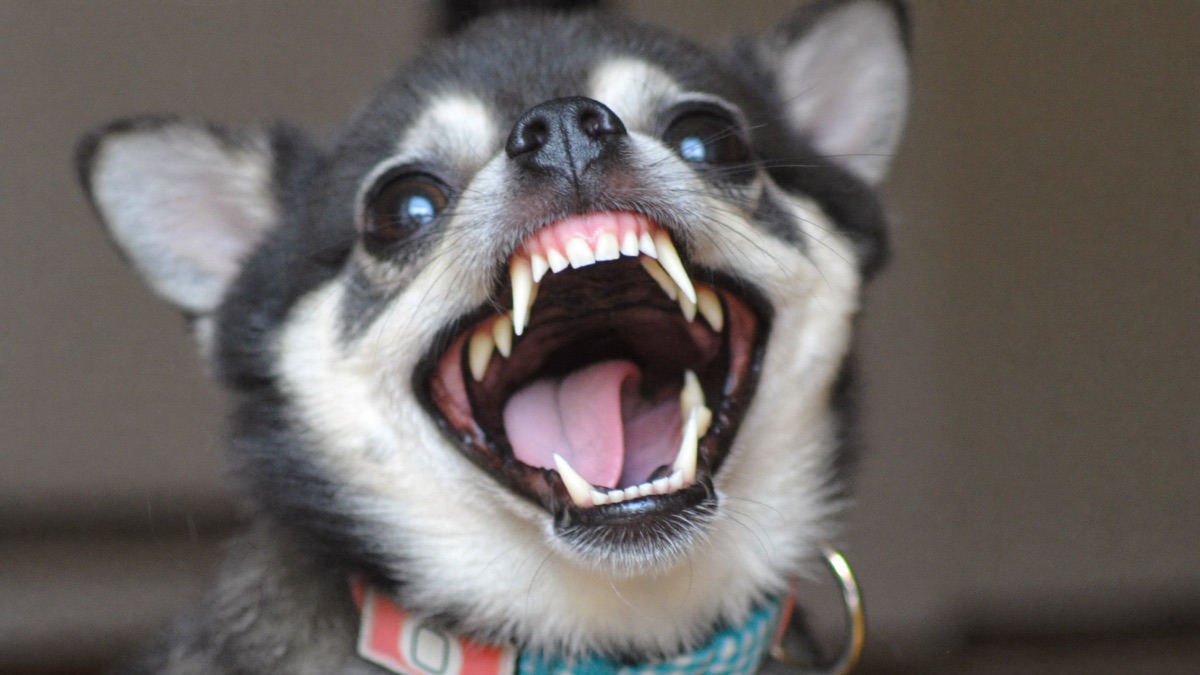
| Rotten smell from the mouth | Dental disease | Vet dental check |
| Sour, rancid, or corn-chip skin with grease | Skin infection or seborrhoea | Vet — treat the skin, not the smell |
| Something died and was rolled in | Exactly that | Bath, sympathy, shorter recall next time |
What is the corn-chip smell?
That Frito-feet smell is produced by normal skin bacteria and yeast, and in trace amounts it's harmless. The tropical problem is scale: yeast (Malassezia) loves warm, damp, airless real estate, and a dog living at 85% humidity offers it plenty — ear canals, the skin between toes, armpits, groin, and the tail fold. When the smell gets strong and musty and comes with red or darkened skin, greasiness, brown nail-bed staining, or a dog constantly licking its paws or shaking its head, yeast has tipped from resident to infection. Ears are the most common site; the musty ear is covered in our ear infection guide. Yeast infections need vet-prescribed antifungals — shampooing alone just wets the habitat again.
Why does my dog suddenly smell fishy?
Anal glands. Two small sacs beside the anus hold a pungent fishy fluid normally expressed onto stool; when a dog is startled, or the sacs get too full or infected, the smell escapes. A one-off fishy whiff after a fright is nothing. Recurring fishy smell, scooting, or licking under the tail means the sacs aren't emptying and need expressing — and a red, swollen, or painful rear end means a possible abscess and a prompt vet visit. Chronic gland trouble often traces back to soft stools; firming up the diet with your vet's help fixes more anal-gland problems than any amount of expressing.
What if the smell is coming from the mouth?
Rotten breath is never "just dog breath" — it's plaque, tartar, and infected gums until proven otherwise, and it's one of the most common findings in small breeds here. The fix is a dental workup, not a dental treat; our bad breath guide walks through causes and costs. Two special cases worth knowing: a sweet, acetone-like breath can signal diabetes, and a urine-like smell can signal kidney disease — both are vet visits this week, not breath problems.
Why does humidity make everything stronger?
Smell is chemistry in air, and warm, saturated air carries odour molecules better — the same reason the void deck smells stronger before rain. More importantly, humidity feeds the sources: microbes multiply faster on warm damp skin, coats take hours longer to air-dry, and there's no cold dry season to knock populations back. A dog and routine that smelled fine in Melbourne can get noticeably funky within weeks of arriving in Singapore. That isn't a dirtier dog — it's a climate that demands the routine below.
The wash-and-dry-properly rule
In this climate, drying is more important than washing. A shampooed coat left damp is worse than an unwashed dry one, because you've just wet the microbial habitat and added warmth. The rule:
- Wash every one to two weeks with a dog-pH shampoo — frequency details in our bathing guide.
- Rinse thoroughly — residue itches and holds odour.
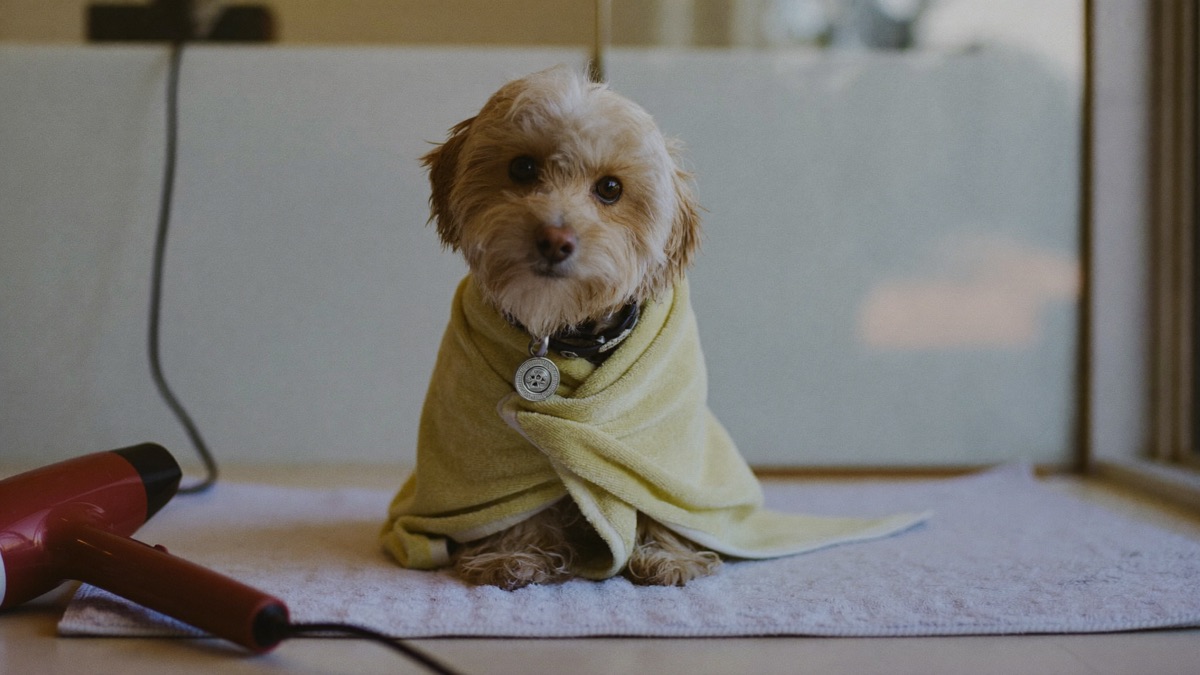
- Dry completely, every time: towel hard, then blow-dry on cool until the coat is dry at skin level, especially armpits, groin, ears, and tail. After rain walks, a plain-water rinse of legs and belly plus a full towel-dry is enough.
When is smell a vet problem?
See a vet when a smell is strong, returns within a day or two of a proper wash-and-dry, or comes with any of: red, greasy, flaky, or darkened skin; scratching or licking; head shaking; scooting; a swollen rear; or rotten breath. Persistent odour almost always has a treatable source — skin infections thrive in this climate and respond well once diagnosed. Deodorising sprays and perfumed grooming colognes only stack a second smell on top of the first; nobody is fooled, least of all the vet.