Go to a vet now if any of these are true
- A puppy refuses more than one or two meals. Puppies — especially toy breeds — can develop dangerous low blood sugar within hours.
- A senior dog, small breed, diabetic, or dog with a known chronic illness stops eating. A diabetic on insulin that won't eat is an urgent call to your vet.
- Not eating plus vomiting, diarrhoea, lethargy, or fever.
- Not eating plus a painful, hard, or swollen belly, or unproductive retching — think obstruction or bloat.
- Not eating plus drinking far more than usual — kidney disease, diabetes, and pyometra (in unspayed females) all present this way.
- Suspected toxin or swallowed object.
- Difficulty swallowing, drooling, or pawing at the mouth — something is wrong in the mouth or throat.
- Any dog that has eaten nothing for 48 hours, however normal it seems.
Probably fine to monitor at home
- A healthy adult that skips one meal but is bright, playful, drinking, and toileting normally.
- Appetite dip during a heatwave or unusually humid stretch — in Singapore and Malaysia, many dogs reliably eat less in the hottest weeks, and less again if fed during the hottest part of the day. Shift meals to early morning and late evening.
- Mild appetite loss during obvious stress: moving house, a new pet or baby, fireworks season, an owner travelling, boarding. Newly adopted dogs often eat poorly for the first few days too — rescue groups like SPCA Singapore and SPCA Selangor brief adopters on this for good reason.
- The dog that refuses kibble but takes treats with enthusiasm — often a food-preference standoff rather than illness. (Don't reward it by upgrading the menu every time, or you're training a picky eater.)

Why has my dog stopped eating?
Roughly in order of how often vets see it:
- Stress and environment — routine changes, new animals, travel, heat. Appetite returns as things settle.
- Dental and mouth pain — cracked teeth, gum disease, an abscess, or something wedged across the palate. Watch for chewing on one side, dropping food, approaching the bowl then backing away, bad breath, or drooling. Dogs hide dental pain remarkably well; "eating fine" and severe dental disease coexist all the time.
- Nausea — from a dietary indiscretion, medications, car travel, or early gut upset. Clues: lip-licking, drooling, grass-eating, hard swallowing, turning the head away from offered food as if interested-but-can't.
- Serious disease — kidney or liver disease, pancreatitis, infections, obstruction, and cancer all commonly open with appetite loss. This is why persistence matters more than the skipped meal itself: a genuine, continuing loss of appetite is one of the most reliable early signs that something systemic is wrong.
How can I safely tempt a dog to eat?
For a dog inside the safe-to-monitor window, or one recovering under vet guidance:
- Warm the food slightly — a few seconds of warm water or gentle microwaving releases aroma, which drives canine appetite.
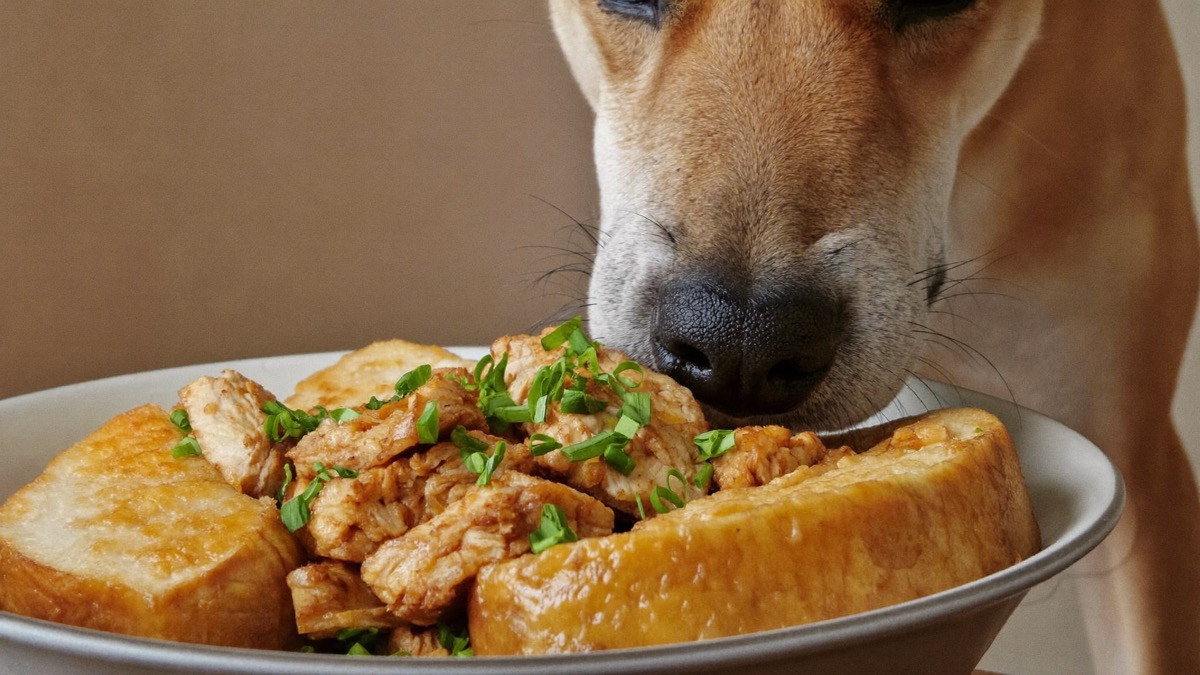
- Add a low-risk topper: plain boiled chicken, a spoon of the chicken's cooking water, or a little plain white rice. Avoid rich, fatty, salty additions — bacon grease and gravies risk pancreatitis.
- Try hand-feeding a few pieces; anxious or nauseous dogs often start for a person and continue on their own.
- Feed in a calm spot away from other pets, and in the tropics, in the coolest part of the day.
- Lift uneaten food after 20–30 minutes and offer it fresh later. A buffet left down all day teaches grazing and hides how little was actually eaten.
- Do not force-feed, and never dose a dog with human appetite stimulants or anti-nausea medication — several are toxic to dogs. Vets have safe, genuinely effective appetite stimulants if one is needed.
When a poor appetite becomes a pattern
A dog that eats, but noticeably less than usual for more than a few days — or one losing weight despite "eating okay" — needs a vet even without a single fully skipped meal. Gradual appetite decline is how chronic disease usually announces itself, and bloodwork plus a dental check finds most causes early, while they're most treatable. Weigh your dog monthly; the scale notices before you do. No regular vet yet? The Singapore Veterinary Association's vet centre directory lists clinics by area.