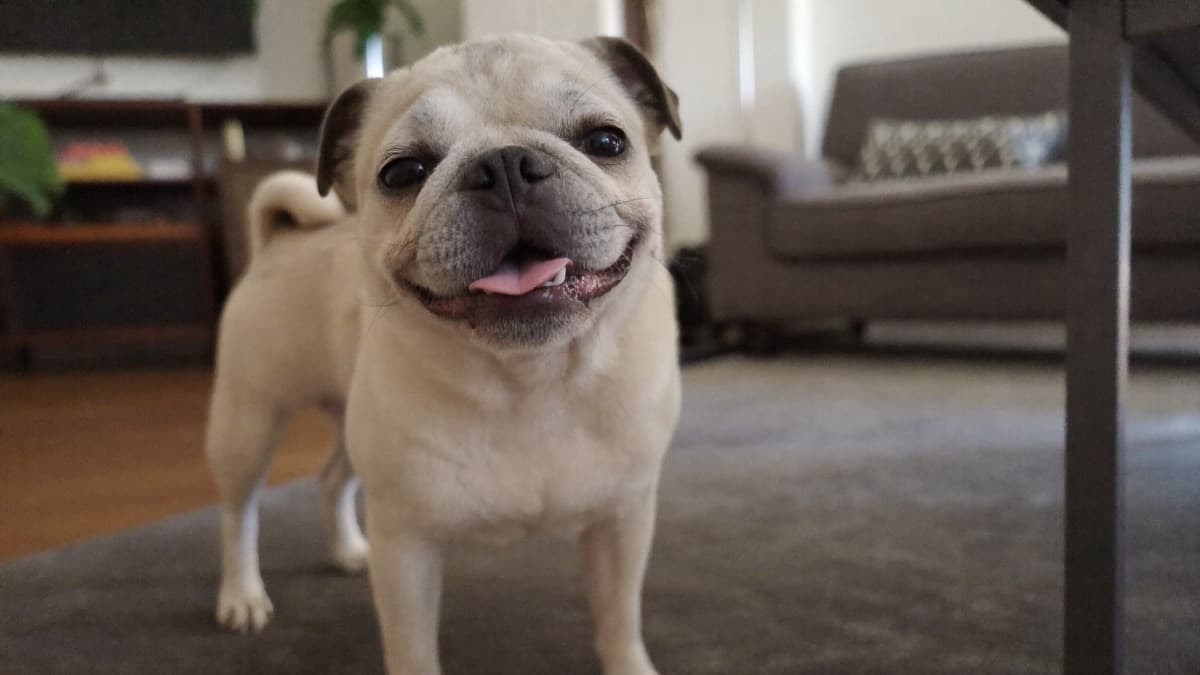
What is a reverse sneeze actually?
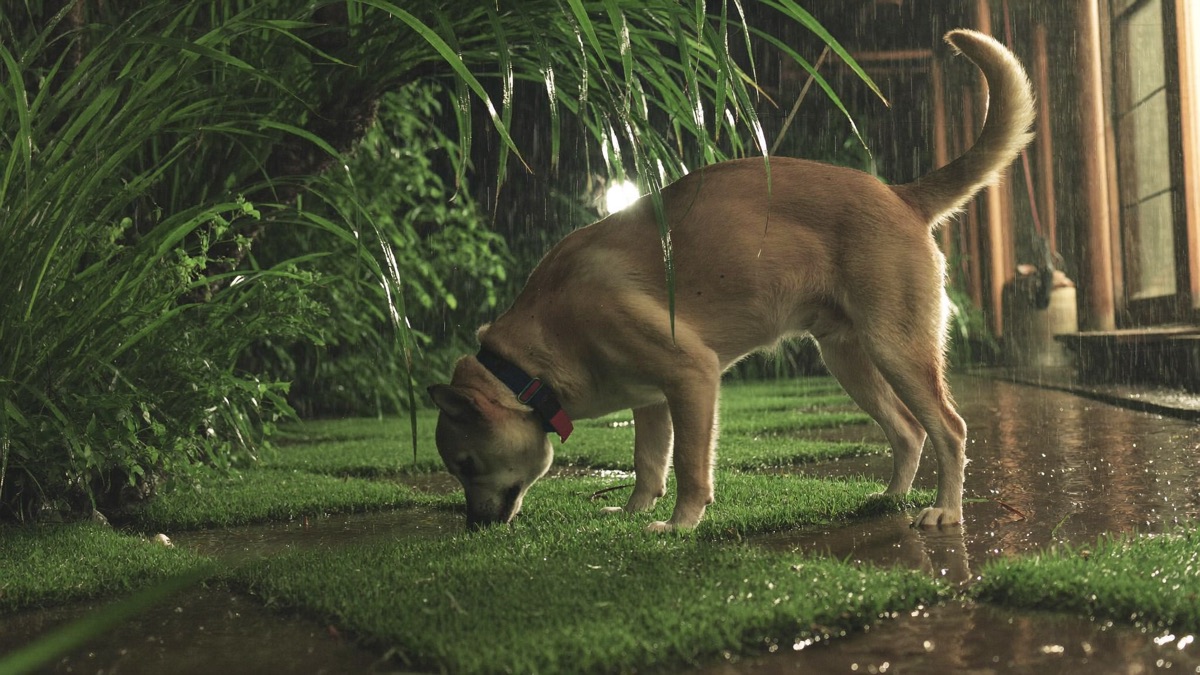
A normal sneeze blasts air out through the nose. A reverse sneeze is a spasm of the soft palate and throat that pulls air rapidly in — a paroxysm triggered by irritation at the back of the nasal passages, above the soft palate. Common triggers: excitement (especially greeting you at the door), pulling on the collar, gulping food or water, dust, aerosol sprays, incense and perfume, or a whiff of pollen. The episode typically lasts a few seconds to a minute, the dog stays conscious and aware throughout, and gum colour stays pink — the airway is never actually blocked.
What should you do during an episode?
- Stay calm — your panic prolongs the dog's excitement, which prolongs the spasm.
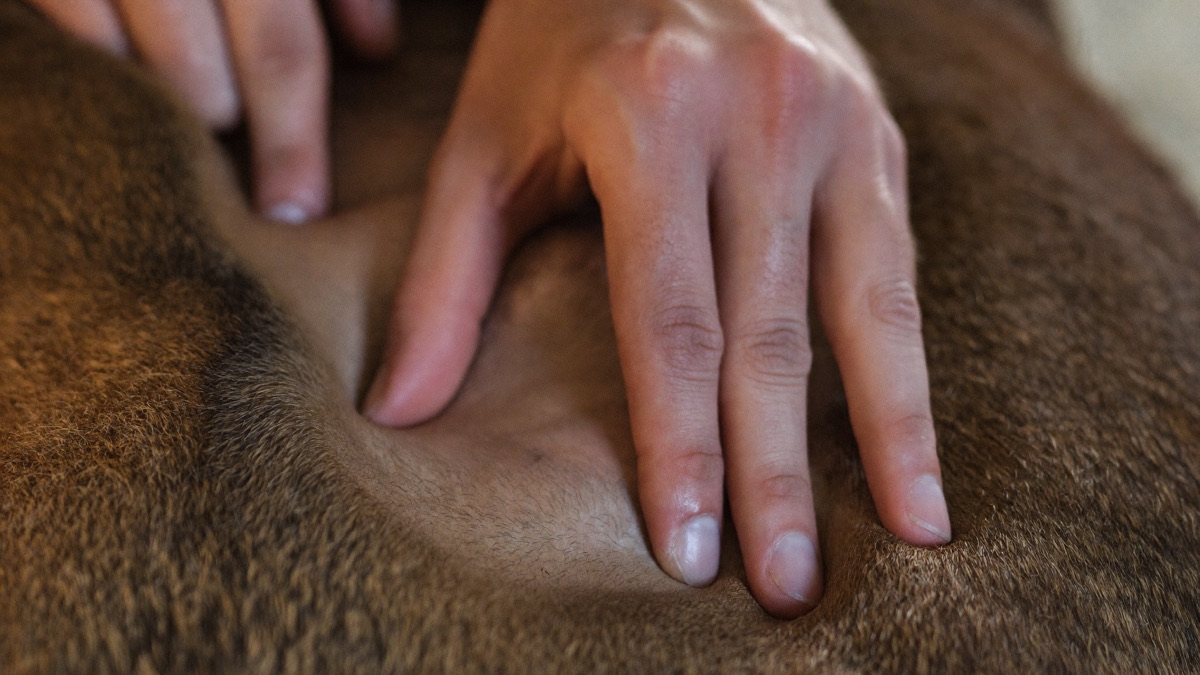
- Gently massage the throat, stroking downward, to encourage a swallow — swallowing resets the spasm.
- Briefly cover the nostrils for a second or two; this also prompts a swallow. Release immediately.
- Video it. Genuinely the most valuable thing you can do. Episodes never happen in the consult room, and ten seconds of phone footage lets your vet distinguish a reverse sneeze from a cough or collapse in one viewing.
Most episodes end on their own regardless of what you do — the massage mostly treats the owner.
Why do small and flat-faced breeds do it more?
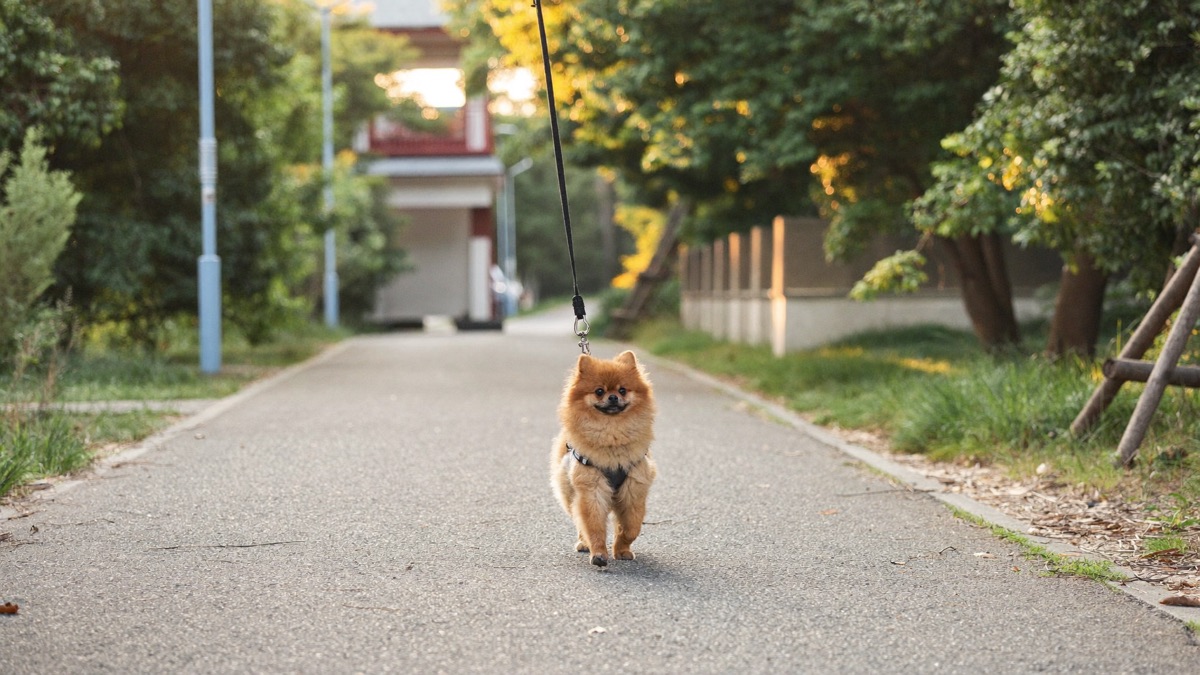
Anatomy stacks the deck. Brachycephalic breeds — pugs, French bulldogs, shih tzus — carry an elongated soft palate in a shortened skull, so the tissue that spasms is bulkier and closer to everything. Small breeds generally have narrower nasal passages and throats, so minor irritation crosses the threshold sooner. Small breeds are also the ones prone to collapsing trachea — Pomeranians being the textbook example — which is a different, progressive condition that owners frequently mislabel as reverse sneezing. Getting the two straight matters, because one needs nothing and the other needs management.
Reverse sneeze vs choking vs collapsing trachea — how do you tell?
| Reverse sneeze | Choking | Collapsing trachea | |
|---|---|---|---|
| Sound | Loud snorting/honking inward | Silent gagging, or frantic retching; little air moving | Dry "goose honk" cough, outward |
| Posture | Standing still, neck extended, elbows out | Pawing at mouth, panic, may collapse | Coughing fits, especially when excited or pulling |
| Duration | Seconds to ~1 minute, then totally normal | Doesn't self-resolve — worsens | Recurring fits over weeks/months, worse over time |
| Gums | Pink throughout | Turning grey/blue — emergency | Pink, may tinge blue in bad fits |
| What to do | Calm, throat massage, video | Emergency — clear mouth, vet NOW | Vet appointment; weight and harness management |
The one-line version: reverse sneezing is noisy air coming in with a calm-ish dog that recovers instantly; choking is no air moving with a panicking dog; tracheal collapse is a repeating outward honking cough that builds over months.
When should a reverse-sneezer see a vet?
- Episodes are getting more frequent or longer over weeks.
- Discharge or bleeding from one nostril, pawing at the face, or noisy breathing between episodes — points to a foreign body (grass blade behind the palate is a classic), nasal mites, or a polyp.
- An episode lasting more than a couple of minutes, or any blue-grey gum colour — that's not a reverse sneeze; treat as an emergency.
- Coughing, gagging, or exercise intolerance alongside the snorting — time to rule out tracheal and heart disease rather than assume.
One regional note: irritant triggers are seasonal here. Owners in Singapore and Malaysia reliably report more episodes during haze periods, home renovations, and around incense — the same airborne irritation that scratches your throat is tickling the back of your dog's palate. During bad-air weeks, keeping windows closed with a fan or purifier running takes the trigger load down for chronic snorters.
For the occasional classic episode in an otherwise healthy dog — a few times a month, ending in under a minute, dog instantly normal — the honest veterinary answer is that no treatment is needed. Swap the collar for a harness, skip the aerosols near the dog, and keep a video on your phone for the next check-up.