Is lychee safe for dogs?
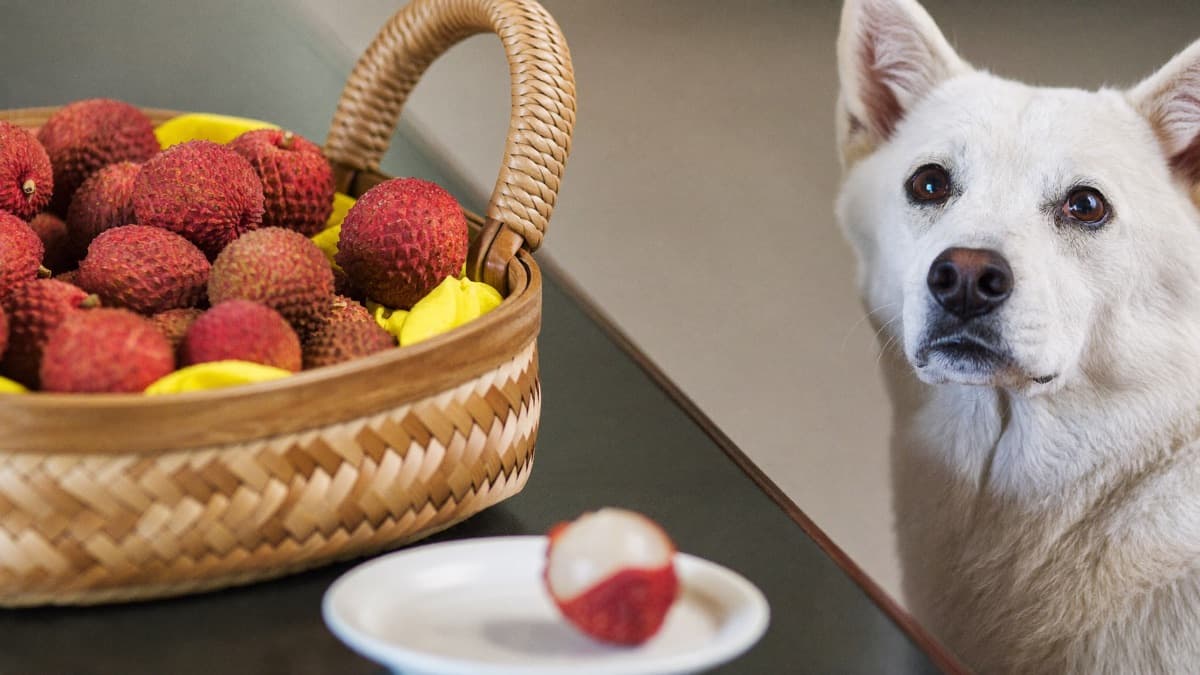
The translucent white flesh of a ripe lychee is non-toxic to dogs and carries vitamin C, some potassium and a lot of water. It also carries a lot of sugar — lychee is one of the sweetest fruits on the table — so portions stay small: a single fruit's worth of flesh for a small dog, two or three for a large one, occasionally rather than daily. As with every treat, the total of all extras should stay under 10 percent of daily calories.
Dogs that are overweight or diabetic should skip lychee altogether; a lower-sugar fruit like watermelon is the better share. And as always with a first taste, offer a small piece and watch for 24 hours before it becomes a habit.
Why are the seed and peel dangerous?
Not because of poison — because of plumbing. The lychee seed is smooth, hard and almost perfectly sized to lodge in a dog's throat or small intestine, especially in toy and small breeds. A swallowed seed can pass, but when it doesn't, the result is an intestinal obstruction that needs surgery. The leathery, bumpy peel is nearly as bad: indigestible, sharp-edged when dry, and prone to bunching up in the gut.
The practical rule: your hands do the peeling and deseeding, never your dog's teeth. Give the flesh only, and bin peels and seeds in a closed bin — the sweet smell makes fruit waste a prime target for bin raiders, and a dog wolfing discarded lychee waste swallows seeds whole.
Does lychee contain a toxin? The unripe fruit question, honestly
You may have seen headlines linking lychee to dangerous drops in blood sugar. Here is the accurate version: unripe lychees contain natural compounds (hypoglycin A and MCPG) that can interfere with the body's ability to maintain blood glucose. The documented poisonings were in humans — malnourished children in lychee-growing regions who ate large quantities of unripe fruit on empty stomachs. Ripe lychee flesh contains far lower levels, and there is no body of veterinary evidence showing harm to dogs from a few ripe lychees.
So the honest position is conservative but calm: this is not a reason to panic if your dog ate a piece of ripe lychee, and it is a reason to follow three rules — ripe fruit only, flesh only, small amounts only. Green-shouldered, sour, underripe lychees stay off the menu entirely, and a well-fed dog having a treat is a completely different situation from the one in the headlines.

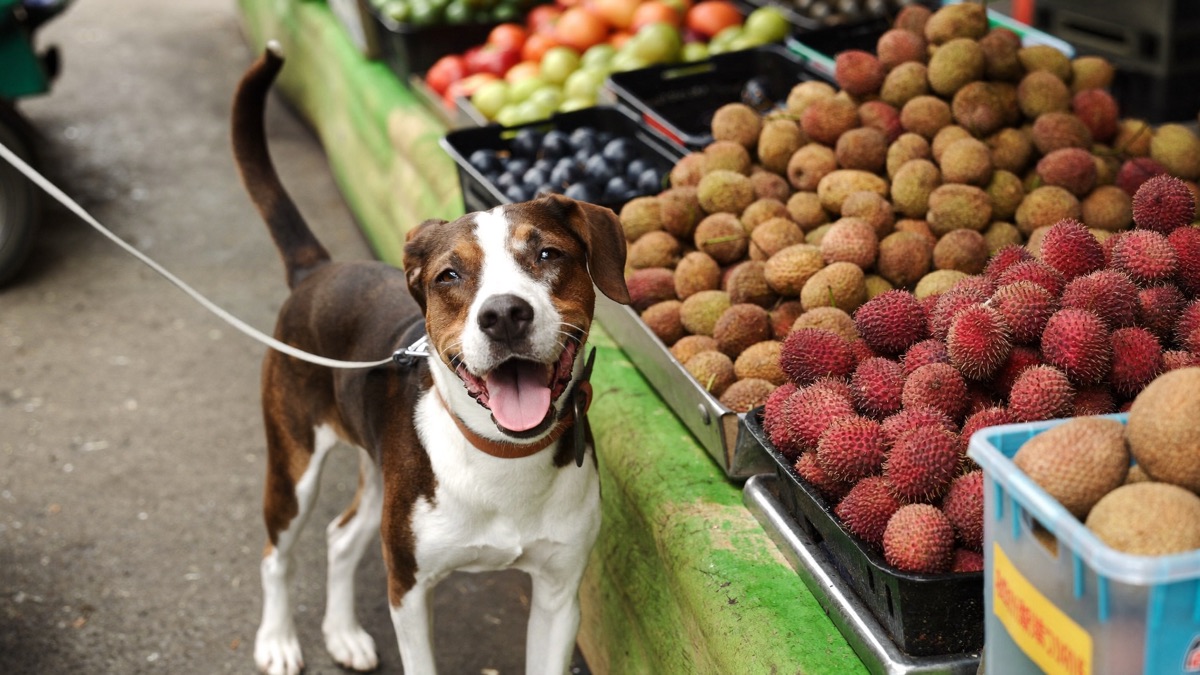
Can dogs eat longan and rambutan?
Yes — and the rules are identical, which is convenient when the whole trio floods the markets in season:
| Fruit | Flesh (ripe, small amounts) | Seed | Peel |
|---|---|---|---|
| Lychee | Safe | Never — obstruction risk | Never |
| Longan | Safe | Never — small and easily swallowed | Never |
| Rambutan | Safe | Never — flesh clings, cut it off | Never — hairy and indigestible |
Longan seeds deserve special respect: they are smaller and smoother than lychee seeds, which makes them easier to swallow whole, not safer. Rambutan's catch is that the flesh grips the seed — cut it away with a knife instead of handing over the fruit and hoping the dog spits the middle out. Dogs do not spit; dogs gulp.
Can dogs eat canned lychee in syrup?
No. Canned lychees sit in heavy syrup that multiplies an already sugary fruit into dessert territory, and the same goes for lychee jelly cups, lychee drinks and the lychee garnish from a bandung or cocktail. Sugar at that level buys your dog nothing but weight gain and a possible bout of diarrhoea. Jelly cups add a further hazard: their size and slippery texture make them a documented choking risk. Fresh, ripe and peeled is the only version worth sharing.
When should I call the vet?
Call promptly if your dog swallowed a seed (or raided a pile of whole fruit or peels) and shows vomiting, drooling, poor appetite, a bloated or painful belly, or straining without producing stool — obstruction signs can take a day or two to appear, so keep watching through 48 hours. Also call if a small or diabetic dog got into a large quantity of fruit, or if unusual weakness or wobbliness follows any fruit raid. A quick call is cheap; a delayed obstruction is not.