What do raw feeders claim — and what does the evidence show?
The claimed benefits are consistent: shinier coat, smaller and firmer stools, cleaner teeth, more energy, "ancestral" appropriateness. Some of these observations are real. Raw diets are typically high in fat and digestible protein, which does improve coat shine and reduce stool volume — but a cooked diet with the same fat and digestibility does the same. Chewing raw meaty bones can reduce tartar, but so do dental chews and tooth brushing, without fractured teeth.
What the claims lack is controlled evidence. No study has shown raw-fed dogs living longer, getting sick less, or outperforming dogs on complete cooked diets in any measured health outcome. The "wolves eat raw" argument also carries less weight than it sounds: dogs diverged from wolves partly by evolving better starch digestion, and wild canids are not a model of longevity — they are a model of surviving to reproduce.
What are the real risks of raw feeding?
Three risks come up repeatedly in the veterinary literature:
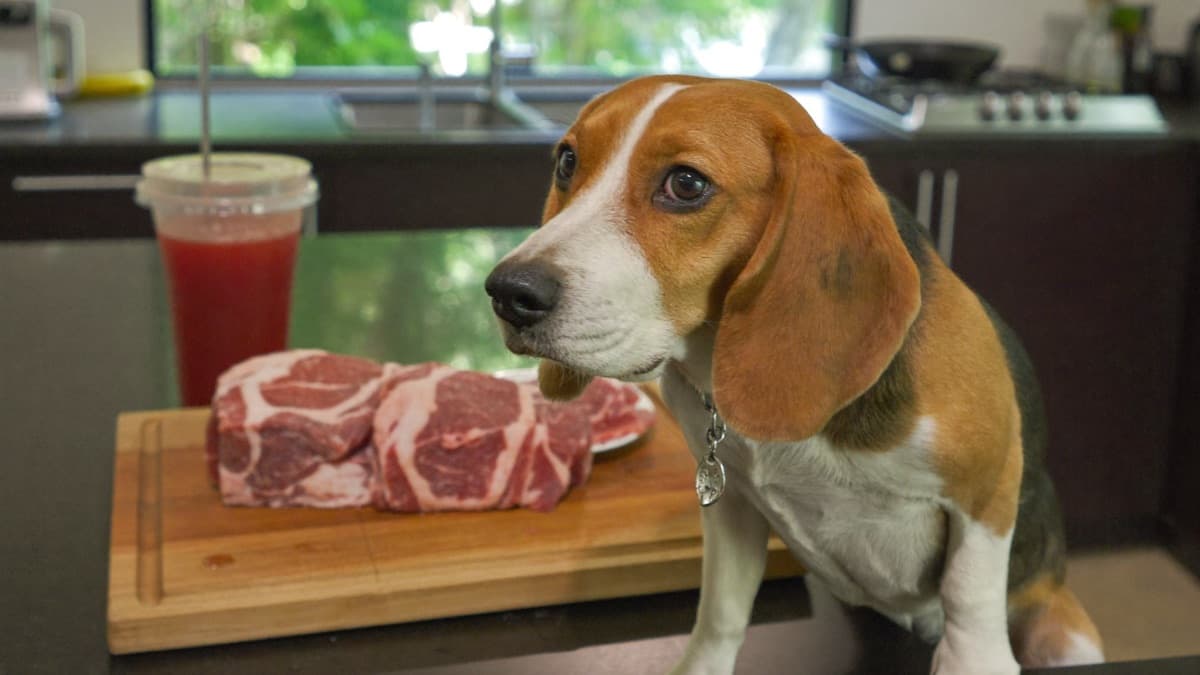
1. Bacterial contamination — and it is a household problem, not just a dog problem. Testing of raw diets, commercial and home-made, routinely finds Salmonella, E. coli, Listeria, and Campylobacter. Dogs often carry these without symptoms while shedding them in stool and saliva — onto floors, hands, and faces. The people most at risk are young children, the elderly, pregnant women, and anyone immunocompromised. In our tropical climate this risk is amplified: bacteria multiply fast at 30°C, and a bowl of raw meat left out during a Singapore or KL afternoon is an incubator. A defrosting cut that would be marginal in a Scandinavian kitchen is genuinely hazardous here.
2. Bones. Raw meaty bones cause fractured teeth (slab fractures of the big chewing teeth are a classic), constipation, and occasionally obstruction or perforation — bone fragments lodged in the oesophagus or intestine are surgical emergencies.
3. Unbalanced home recipes. An "80/10/10" mix of meat, bone, and organ scooped together at home is very unlikely to be complete. Common failures include calcium-phosphorus imbalance, and deficiencies in vitamin D, vitamin E, zinc, and iodine — problems that develop silently over months. This mirrors what analysis studies have found for home-cooked diets generally: recipes without professional formulation are usually deficient somewhere.
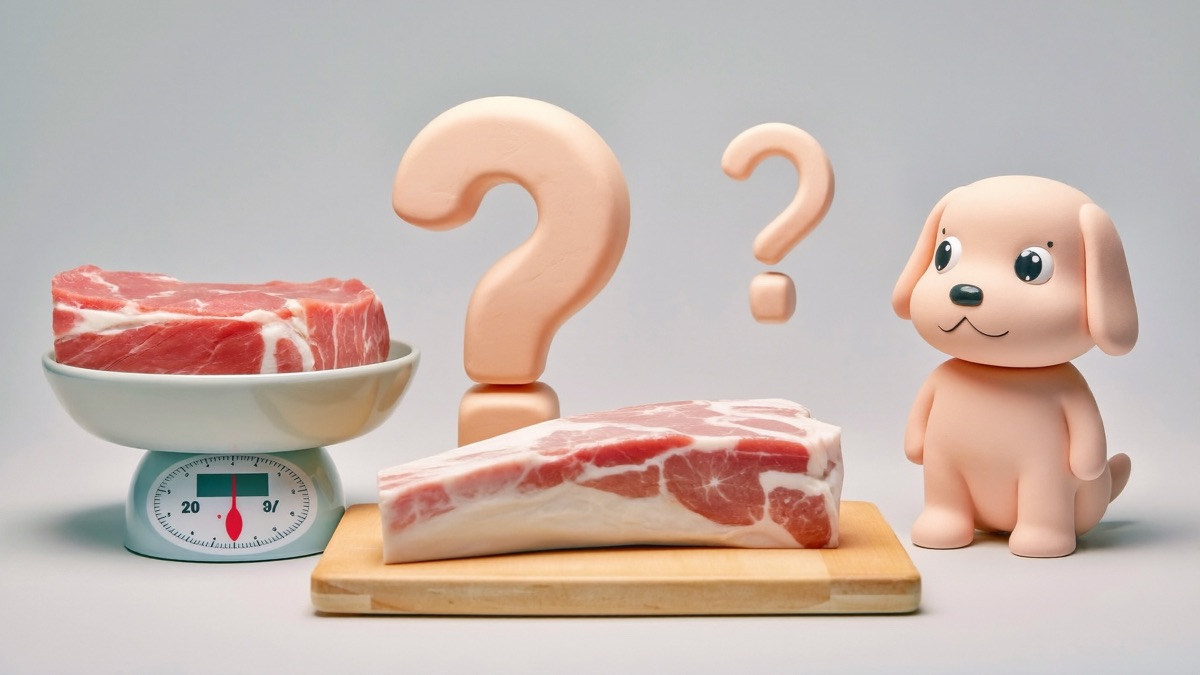
Why are most vets cautious about raw diets?
Because the risk-benefit calculation is lopsided: the documented risks are real and the claimed benefits are achievable by safer means. The WSAVA Global Nutrition Guidelines highlight the pathogen and nutritional-balance concerns with raw feeding, and the AVMA formally discourages feeding unpasteurised raw animal protein to dogs and cats. This is not industry conspiracy — the same bodies are equally blunt about unbalanced home cooking and about supplement marketing. If a raw diet ever demonstrates a benefit cooked diets can't match, the guidance will change; so far it hasn't.
A dog on a raw diet that develops soft stool or worse also deserves a lower threshold for action than a kibble-fed dog — see our guide on when dog diarrhoea is a worry.
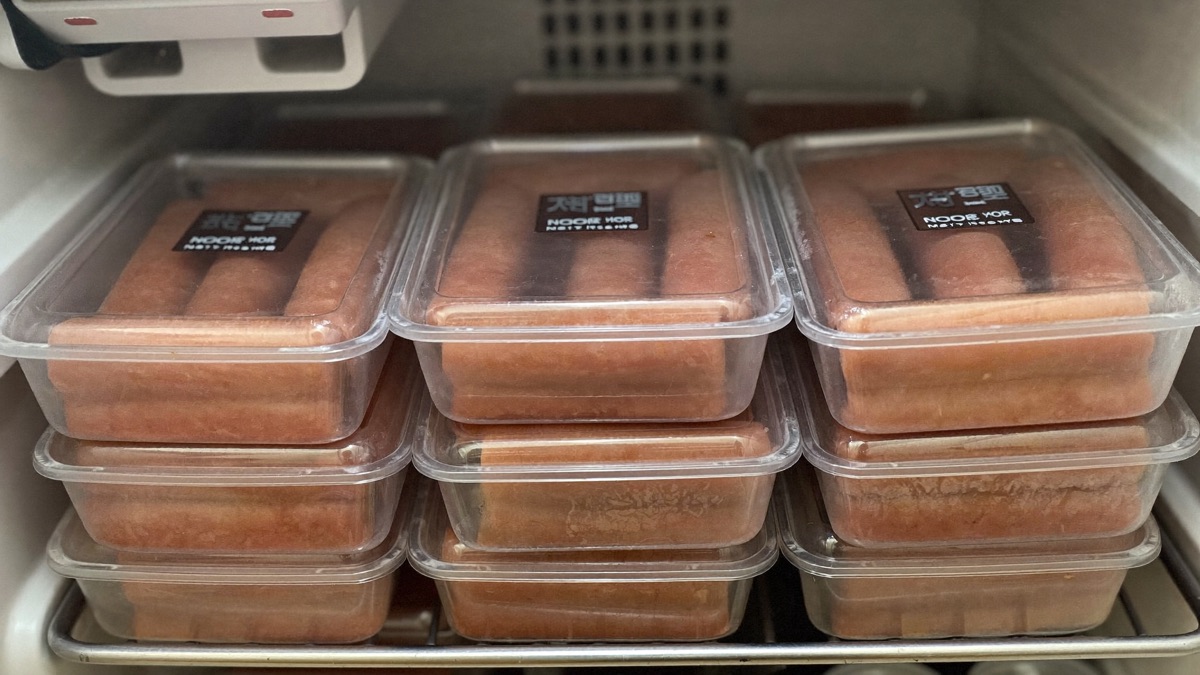
If you're going to feed raw anyway, what are the rules?
Harm reduction, in order of importance:
- Buy commercial, complete and balanced raw — a product carrying an AAFCO or FEDIAF complete statement, from a manufacturer that can explain its pathogen control. High-pressure processing (HPP) is the gold standard. Do not build recipes from supermarket mince and internet ratios.
- Freezer discipline. Keep raw frozen until the day of use, thaw in the refrigerator (never on the counter), and feed within 24 hours of thawing. Never refreeze thawed raw food.
- Serve and clear. Put the bowl down for 20–30 minutes, then remove and discard leftovers. No grazing on raw in this climate.
- Kitchen hygiene as if it were raw chicken for people. Separate chopping board and utensils, hot soapy water for bowls after every meal, and hand-washing after handling food or the dog's mouth.
- Skip whole bones. If you want the chewing benefit, use dental chews or brushing instead.
- Know when raw is off the table. Households with babies, elderly, pregnant, or immunocompromised members; puppies; and dogs on chemotherapy or immunosuppressive drugs should not be raw-fed at all.
If what attracts you to raw is fresher, less processed food, a gently cooked commercial diet with a complete-and-balanced statement delivers that with the highest-risk element removed — our guide on how to choose dog food explains the label checks that matter.