What are the most common lumps on dogs?
| Lump | Typical feel | What it usually is |
|---|---|---|
| Lipoma | Soft, doughy, movable under the skin, slow-growing | Benign fat deposit — very common in dogs over 8 |
| Sebaceous cyst | Firm, round, may release paste-like material | Blocked gland — benign, though it can get infected |
| Wart / sebaceous adenoma | Small, cauliflower-surfaced, on older dogs | Usually benign skin growth |
| Skin tag | Soft, floppy, on a stalk | Benign |
| Abscess | Warm, painful, appears in days | Infection — needs the vet, but not cancer |
| Mast cell tumour | Anything — soft, firm, movable, fixed | Cancer. The imposter that justifies testing everything |
That last row is the whole reason this article exists. Mast cell tumours are common in dogs, treatable when caught early — and notorious for impersonating lipomas.
Why can't the vet just feel it and tell me?
Because touch has no answer for the imposters. A lipoma and a mast cell tumour can both be soft, movable, and painless; the difference only shows up in the cells. That's why vets reach for the fine-needle aspirate (FNA): a slim needle collects a few thousand cells from the lump, they go on a slide, and a trained eye reads them. No cutting, usually no sedation, done in minutes during a normal consult.
As of 2026, an FNA typically runs S$80–200 in Singapore (roughly RM100–300 in Malaysia), a little more if the slide is sent to an external pathologist. For what it rules in or out, it is arguably the best-value test in veterinary medicine — the difference between "probably fine" and "confirmed fine" for less than the cost of a grooming session. Occasionally the sample is inconclusive and a biopsy is the next step; that's not a failure, just the tree branching.
What is the measure-and-map habit?
Once a lump has been tested and cleared, your job becomes surveillance, and surveillance needs numbers, not impressions. Once a month — a grooming session works well:
- Run your hands over the whole dog: chest, armpits, belly, legs, tail base, under the jaw.
- Map each lump on a rough body outline (a phone note is fine): location, date found.
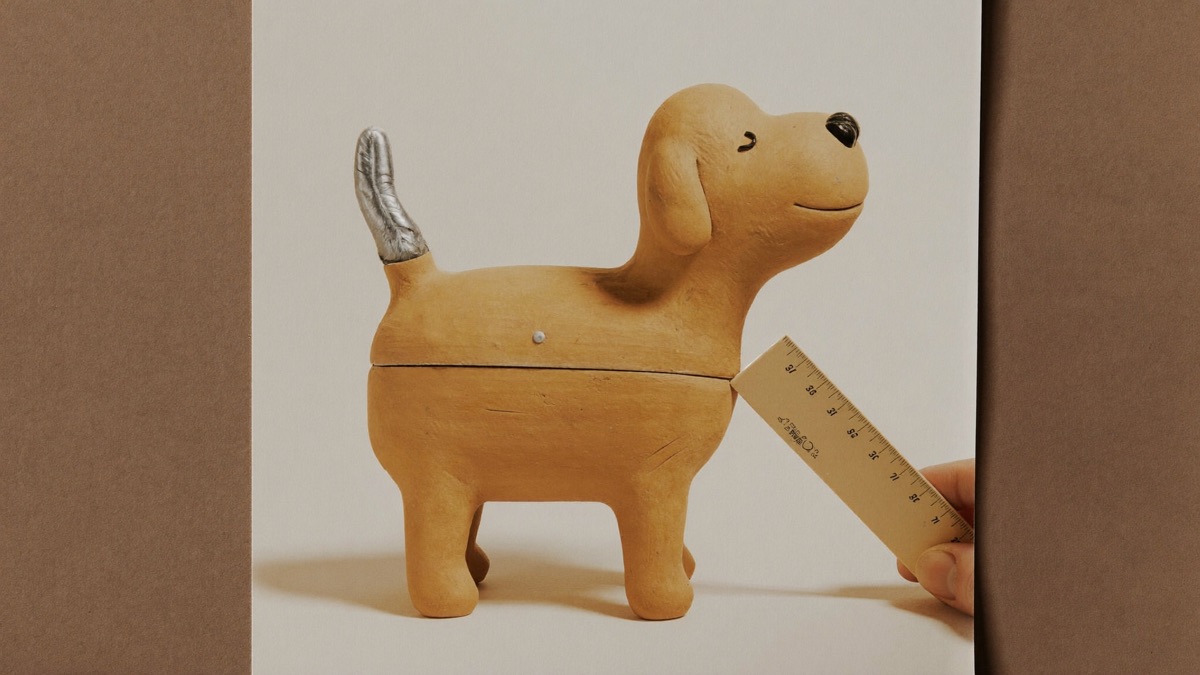
- Measure it — a soft ruler or comparing against a coin beats "about the same, I think."
- Photograph it next to the ruler.
Memory smooths change out; the map catches it. A cleared lipoma that doubles in size, hardens, or changes texture goes back for a fresh aspirate — lumps earn trust continuously, not once.
Which lumps are red flags?
Some lumps skip the queue and see a vet within days:
- Fast growth — visibly bigger over weeks, or appearing almost overnight
- Hard or fixed — anchored to muscle or bone rather than sliding under your fingers
- Ulcerated or bleeding — the surface breaks open or won't heal
- Location: mouth, toe, or nail bed — growths here have a much higher chance of being malignant and are routinely found late
- The dog cares about it — licking, chewing, or flinching when touched
In breeds carrying a heavy cancer burden — the golden retriever being the honest headline example — treat every new lump as a test-it lump at any age, not just in the senior years.
When should a lump be removed?
A needle-confirmed lipoma that isn't bothering the dog can usually stay — surgery has its own risks, and most lipomas never cause trouble. Removal makes sense when the cytology says cancer, when the lump sits somewhere mechanical (armpit, harness line, joint crease) where growth will interfere with movement, or when it's in the mouth or on a toe.
And the rule that holds the whole tree together: never watch-and-wait on ambiguity. "Let's keep an eye on it" is a reasonable plan only after cells have been looked at. Small lumps are cheap to test and simple to remove; big ones are neither. If a lump has been on your worry list for a month, that's the sign to stop watching and start knowing — the twice-yearly exams in our senior dog care checklist exist for exactly this, and our guide to early cancer signs in dogs covers what else to watch alongside the lumps.