Is it motion sickness or fear?
The signs overlap, but the pattern differs:
| Sign | Points to motion sickness | Points to fear |
|---|---|---|
| Drooling, lip-licking | Heavy, ropey drool once moving | Mild, starts before the car even moves |
| Vomiting | Common, usually 10–20 minutes in | Rare |
| Trembling, whining | Mainly during motion | Starts at the sight of the car or keys |
| Refusing to get in | Mild reluctance | Full brakes-on refusal, hiding |
| Stillness | Hunched, frozen, swallowing | Pacing, scrabbling, panting hard |
The two feed each other in a loop: a dog that has vomited on three rides starts fearing the car, and fear itself churns the stomach, so the next ride produces nausea even before the motion does. That's why "he's just being difficult" is almost never the right read — and why fixing only one half often fails. If your dog shows the trembling-drooling-panting cluster in other contexts too, our guide to anxiety signs in dogs helps you read it.
How should I set up the car?
Three physical changes take the edge off before any training starts:
- Empty-ish stomach. No food for three to four hours before the drive; water is fine throughout.
- Cool cabin. Heat makes nausea dramatically worse, and a car parked in Singapore or Malaysia sun is an oven. Run the air-con before loading the dog, aim a vent toward the crate, and crack a window — fresh moving air and a view of the horizon genuinely help queasy dogs.
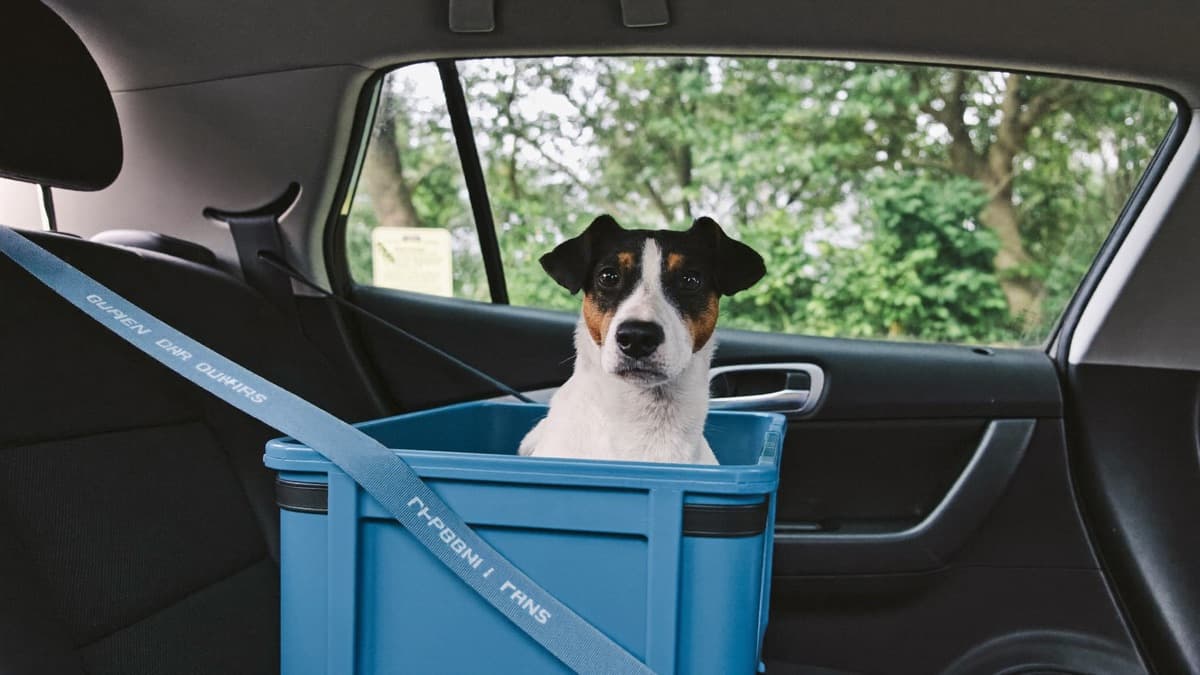
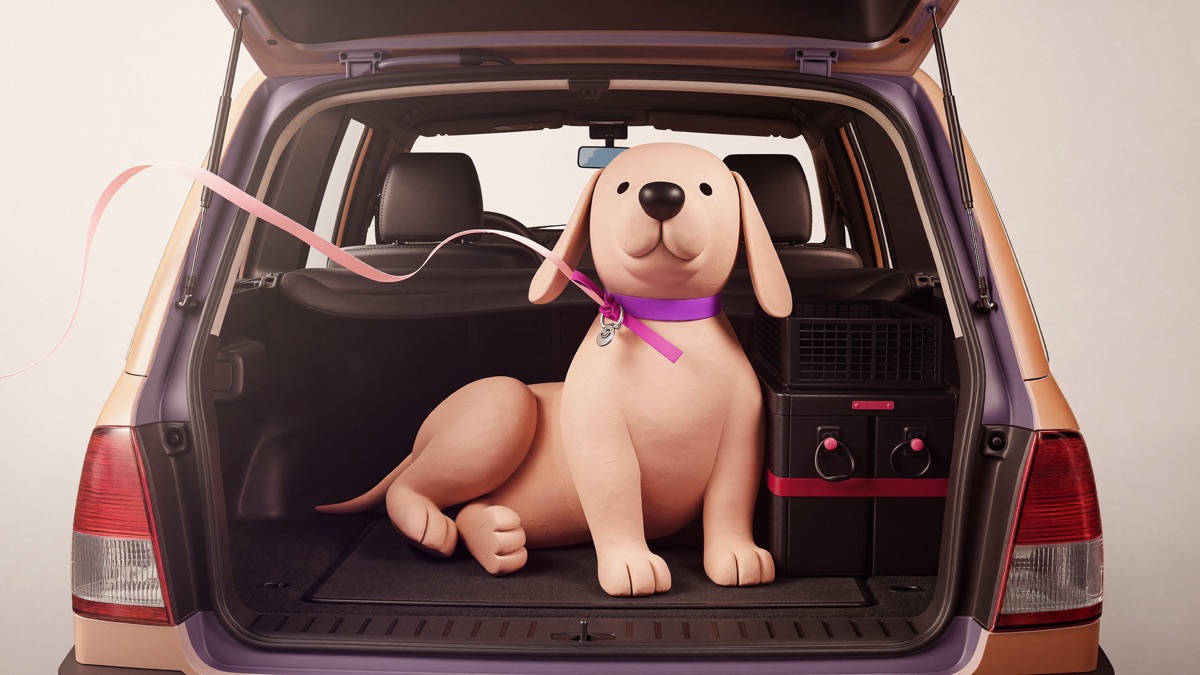
- Crate stability. A secured crate or a crash-tested harness stops the sliding and swaying that amplify inner-ear confusion, and a crate that already means safety at home (crate training basics here) brings that calm into the car. Face it forward, wedge it so it can't shift, and line it with something washable — accidents you shrug off keep your own stress out of the loop too.
Smooth driving matters more than most gadgets: gentle acceleration, early braking and slow corners are free anti-nausea medicine.
What is the parked-car picnic ladder?
The car has to stop predicting bad things before it can predict good ones, so start with the engine off:
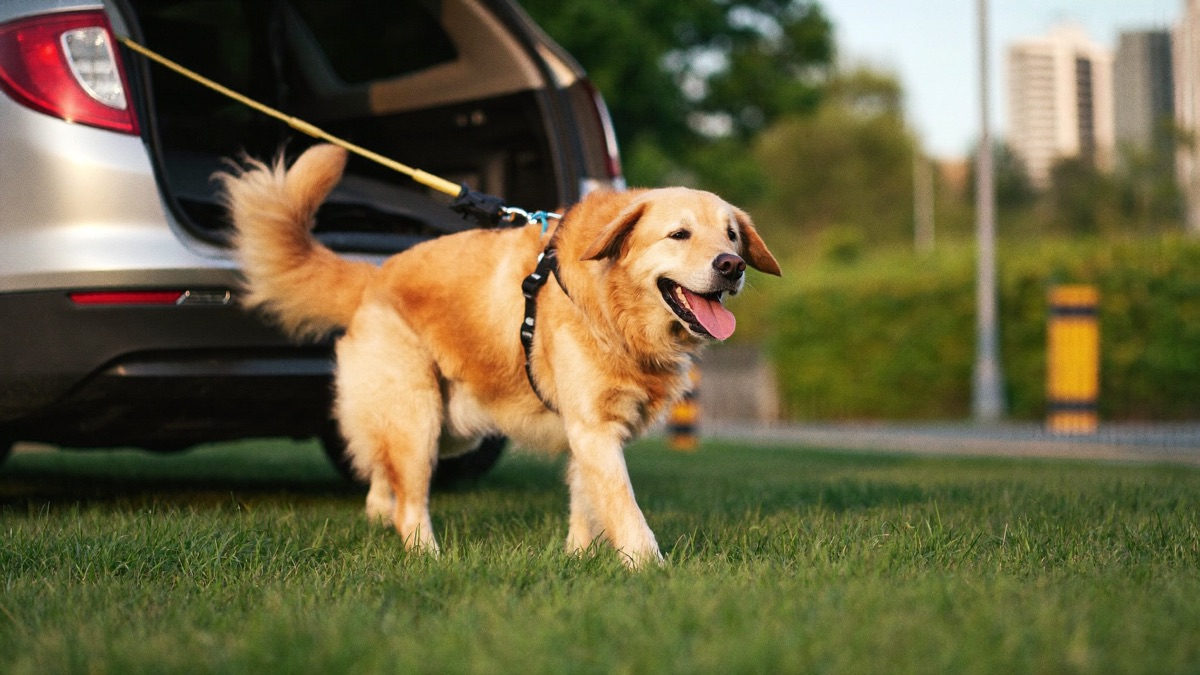
- Meals beside the car, boot open, for a few days if the fear is severe.
- Meals in the parked car, engine off, doors open, dog free to leave. Repeat until your dog jumps in hopefully.
- Engine on, going nowhere. Snacks in the crate for two or three minutes, then out and done.
- Roll to the end of the street and back. One block, then a treat and out.
- Five-minute drives to somewhere good — a park, not a procedure.
- Build duration only while the dog stays relaxed and, ideally, able to eat.
One rung per day or slower, and if any rung produces drooling or freezing, drop back two. For a dog that's both sick and scared, run this ladder after the nausea is medically controlled — training a nauseous dog just rehearses misery.
When should I ask the vet about maropitant?
When vomiting or heavy drooling happens on most rides despite an empty stomach, cool cabin and steady driving — that's true motion sickness, and it's very treatable. Maropitant (sold as Cerenia) is a prescription antiemetic licensed for dogs that blocks the vomiting pathway for around 24 hours per dose, without sedation. It's the conversation worth having before a long journey, and often the thing that breaks the sickness-fear loop: a handful of vomit-free rides lets the picnic ladder finally stick, after which many dogs no longer need the tablets at all. Your vet will confirm dose, timing before travel and whether your dog's pattern really is motion sickness rather than pure anxiety — the treatments differ, which is exactly why the table above matters.
Why does the destination matter so much?
Because if the car only ever drives to the vet or the groomer, your dog isn't wrong about what cars mean — it's paying attention. Audit the last ten rides: if eight ended somewhere unpleasant, no amount of ladder work will out-train the evidence. Deliberately stack the deck with rides to a sniffy park, a dog-friendly cafe or beach, or simply a five-minute loop home again. If you don't drive, the same logic applies to pet taxis — our pet transport guide for Singapore covers the options — and it's worth booking a relaxed, unhurried service for a fearful dog rather than the cheapest fastest one. A dog whose car mostly delivers it to good places forgives the occasional clinic run.