What is a fear period?
Fear periods are evolution's safety briefing. In the wild, a young canid starts venturing further from the den at exactly these ages, and a brain that briefly says "assume new things are dangerous until proven otherwise" keeps it alive. Domestic puppies inherit the same schedule: for a couple of weeks, novelty gets flagged as threat, startle responses sharpen, and — crucially — single bad experiences imprint far more deeply than at other ages.
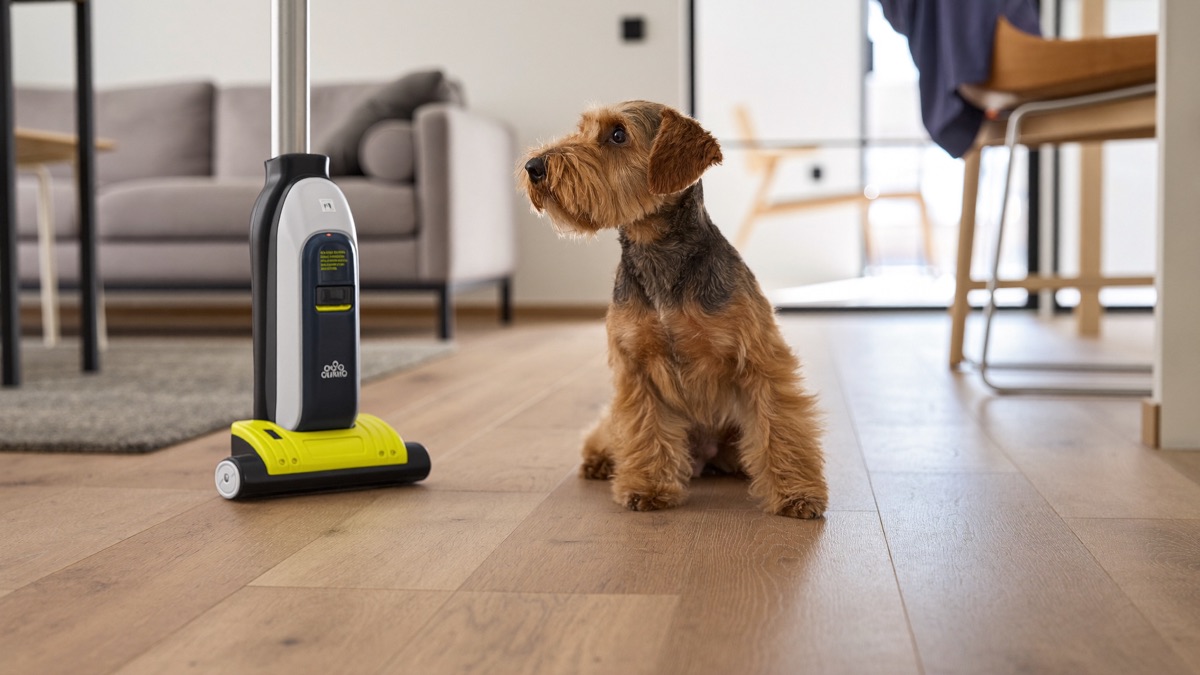
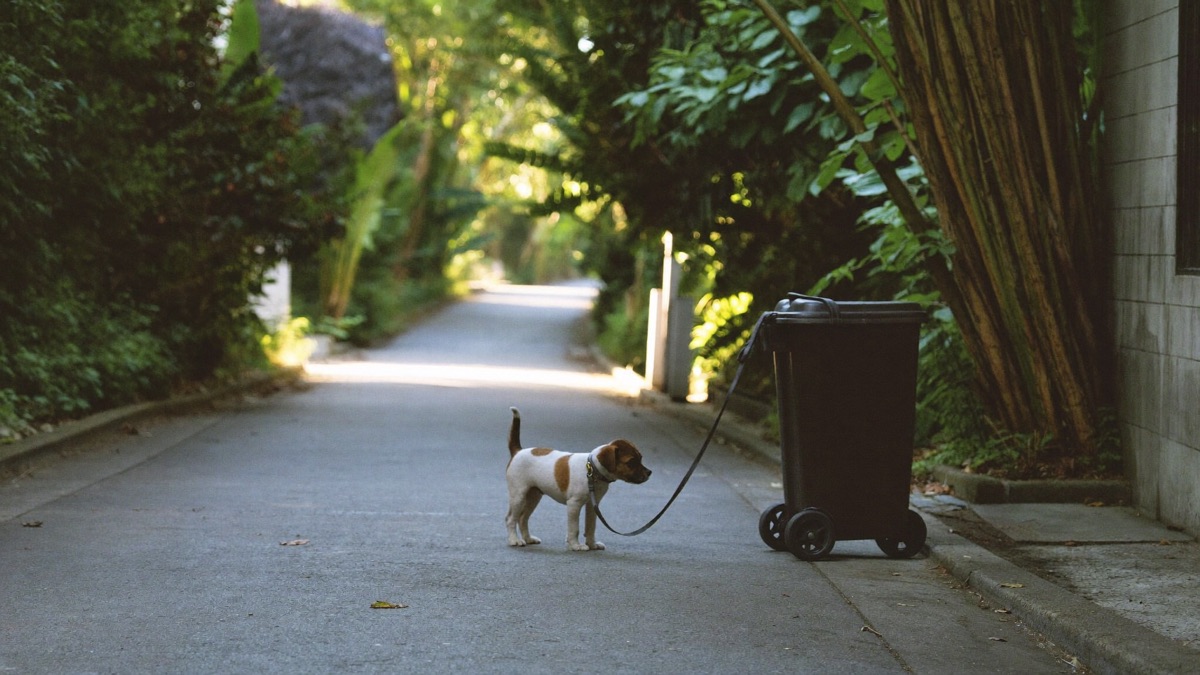
The signature is suddenness about familiar things. The wheelie bin your puppy passed happily for a month becomes a monster on Tuesday. The neighbour in a hat, the pet-shop doorway, the drain cover — all previously fine, now horrifying. Owners understandably think something traumatic happened or their training has failed. Usually neither: the calendar did it.
When do the two fear periods happen?
| Window | Age | What it typically looks like |
|---|---|---|
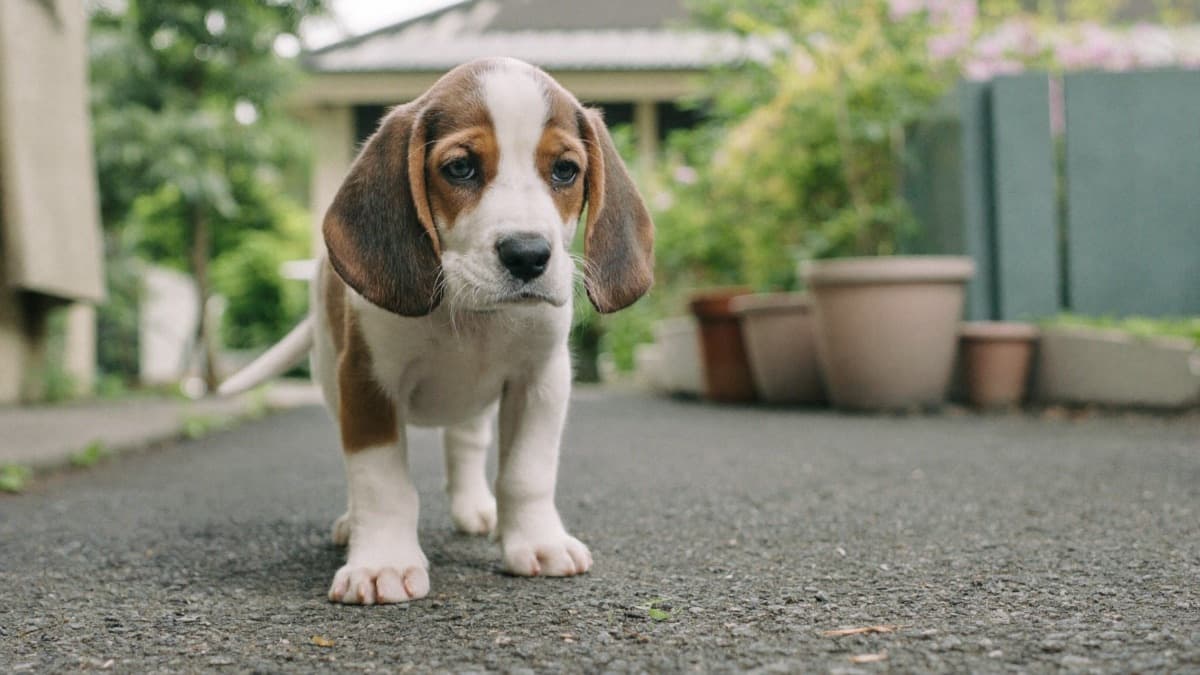
| First fear period | 8-11 weeks | Clingy, startles easily, sudden wariness of strangers, objects or handling — right when most puppies move to a new home |
| Second fear period | 6-14 months (variable, often in waves) | A confident adolescent abruptly spooks at familiar things — bins, statues, people in helmets; bigger dogs often hit it later |
The first window lands on top of the socialisation period, which runs to roughly 12-14 weeks — the same weeks in which positive exposure builds a stable adult temperament. That overlap is not a contradiction: socialisation during a fear period simply means quality over quantity — calm, optional, food-paired experiences rather than a checklist marathon. Our puppy socialisation guide covers how to do this properly alongside vaccination timing.
The second window blindsides owners because the puppy looks grown. A ten-month-old that "suddenly turned reactive" is very often an adolescent inside a fear period, with hormones stirring underneath — see our puppy growth stages guide for the wider adolescent picture.
How should I respond when my puppy suddenly gets scared?
The rules are simple and mostly about what not to do.
- Never flood. Do not drag, carry or lure the puppy up to the scary thing to "show it's fine". Forced exposure during a fear period is how single-event phobias are made.
- No drama either way. Don't scold, and don't stage a theatrical rescue. A relaxed "silly bin, isn't it?" tone and a loose leash tell the puppy your risk assessment is calm.
- Let the puppy choose distance. Move away to wherever the puppy can look at the thing and still take a treat, feed a few, and leave while it's going well. This is desensitisation and counterconditioning in miniature — the same threshold rule applies at any age.
- Re-expose gently, later. Skip the scary corner for a few days, then revisit at an easy distance. Most fear-period spooks dissolve within days when nothing bad confirms them.
- Shelve the hard stuff. Postpone elective stressors — first grooming appointments, nail grinding, huge gatherings — by a week or two if your puppy is clearly in a dip.
What does a bad experience during a fear period cost?
More than the same experience a month earlier or later. Fear periods are windows of heightened single-event learning: one genuinely frightening episode — being pinned by an off-leash dog, a painful procedure with heavy restraint, a firecracker at close range — can install a fear that persists into adulthood and takes months of formal behaviour work to unwind. AKC trainers put it plainly: puppies frightened during these windows may not bounce back the way they would at other ages.
That asymmetry sets the maths. Avoiding one avoidable disaster is worth more than ten extra exposures. You cannot prevent fear periods — no amount of socialisation stops the windows opening — but you can control what the world does to your puppy while they're open. Time high-risk events (big festivals, fireworks weekends, boarding) around them where possible.
Does the first fear period clash with bringing a puppy home?
It overlaps almost exactly — the conventional 8-10 week pickup sits inside the first window — and that's manageable rather than alarming. A good breeder or shelter will have started gentle handling and household-noise exposure well before eight weeks; some owners deliberately collect at 8 weeks sharp or wait until 11-12 weeks, but the honest answer is that the transfer date matters far less than how the first fortnight is run. Keep the homecoming quiet, spread introductions out, pair every novelty with food, and make the first vet visit a treat-heavy social call. A gentle first two weeks inside the fear period beats a chaotic one outside it.