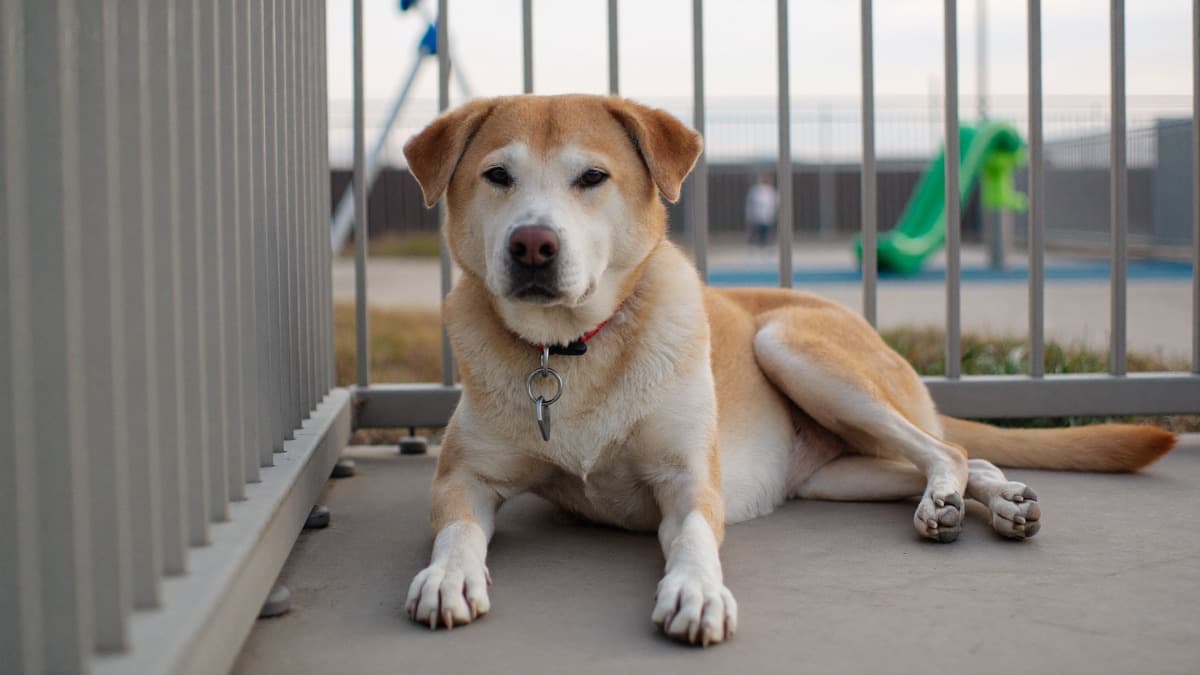
Why are children so frightening to dogs?
Because from a dog's perspective, children break every rule of polite body language. They move suddenly and erratically, squeal at frequencies adults don't produce, stare directly into faces, and approach head-on at a run. They're grabby — fur, ears, tails — and they hug, which most dogs merely tolerate at the best of times. And crucially, a toddler's face is at eye level with a medium dog's teeth, which is why facial bites are so common in young children.
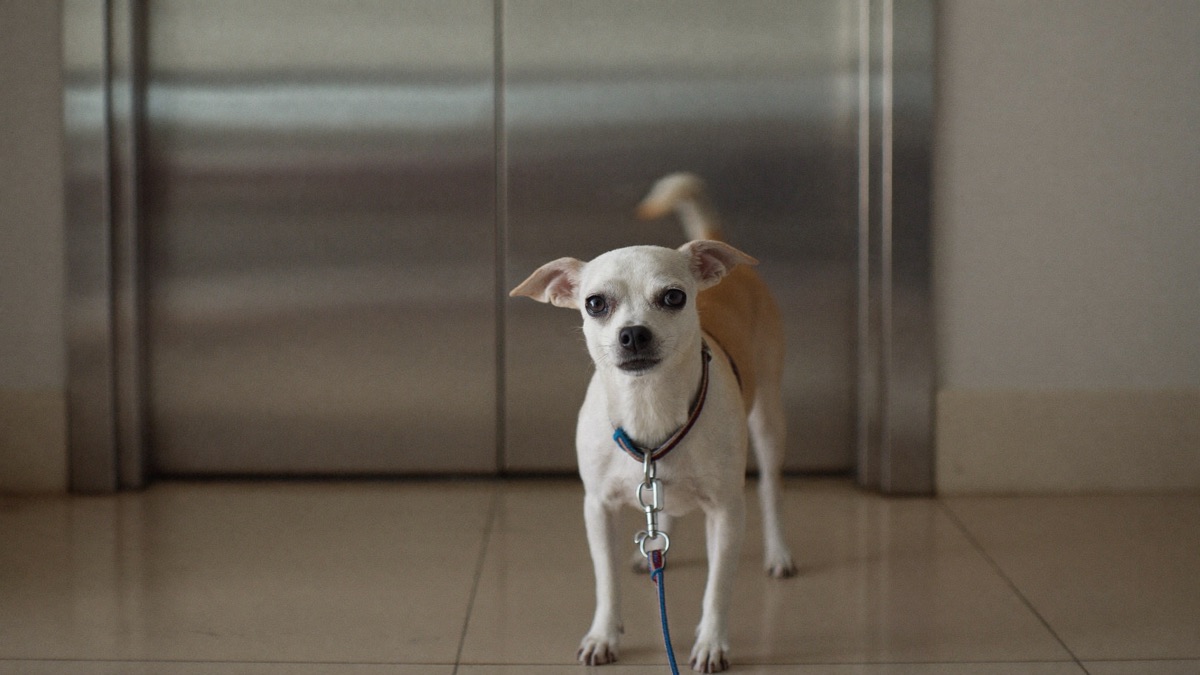
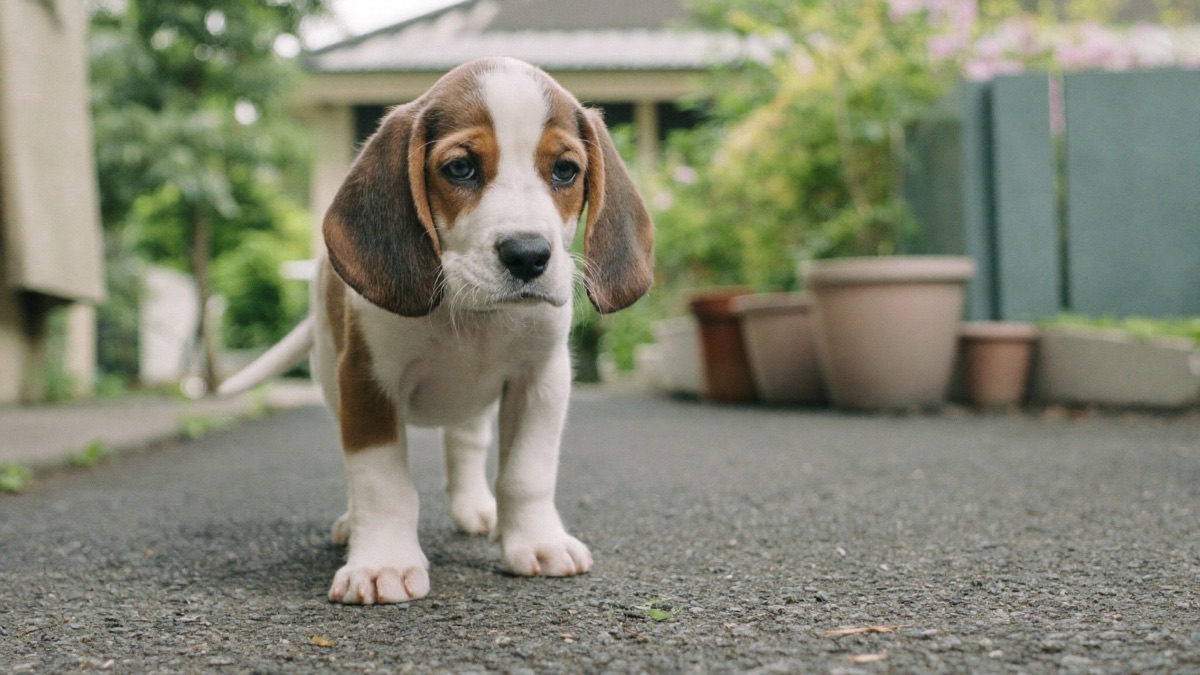
Add a thin socialisation history — a puppy that never met calm children during the 3-to-14-week window files them as unpredictable aliens — and fear is the rational response. Fear looks like retreating, hiding behind furniture, lip-licking, yawning, whale eye (whites showing) and freezing when a child approaches. Learn these signals cold; our dog body language guide is the vocabulary list, and the freeze is the last quiet warning before a growl.
Why is supervision non-negotiable?
Say it plainly: never leave a dog and a young child together unsupervised. Not for a minute, not "just while I grab my phone", not with a dog that has been fine for years. Supervision means an adult actively watching and close enough to intervene — not in the next room, not scrolling on the sofa.
Between active supervision sessions, use physical barriers: baby gates, a closed door, a crate the dog loves (see crate training), or a playpen for the child. The dog also needs a child-free retreat — a bed or room where the standing house rule is that no child ever follows it. A dog that knows escape is always available bites less, because biting is what happens when escape fails.
House rules for the kids themselves: no hugging, no climbing, no touching a sleeping or eating dog, and if the dog goes still or walks away, the game is over. The kids-and-bowls rules apply doubly in a household with a child-wary dog.
How do I train a dog that fears children?
The method is desensitisation and counter-conditioning (DSCC): the dog experiences children at a distance where it can stay calm, and every appearance of a child predicts something wonderful. Distance is the whole trick — you work below the fear threshold, never at it.
- Find the starting distance. At the edge of a playground's noise radius — often 30 metres or more — your dog should be able to look at children and still take treats easily.
- Child appears, chicken appears. The instant your dog notices a child, feed a stream of high-value treats. Child goes, chicken stops. The children themselves never interact with the dog.
- Shrink the distance over weeks, one small step at a time, only when the dog is relaxed and glancing at kids then looking to you expectantly.
- If the dog stiffens, stops eating or fixates, you're too close — add distance and end the session on an easy rep.
Sessions of five to ten minutes beat marathon exposures, and "further away than you think" is the correct starting point every single time.
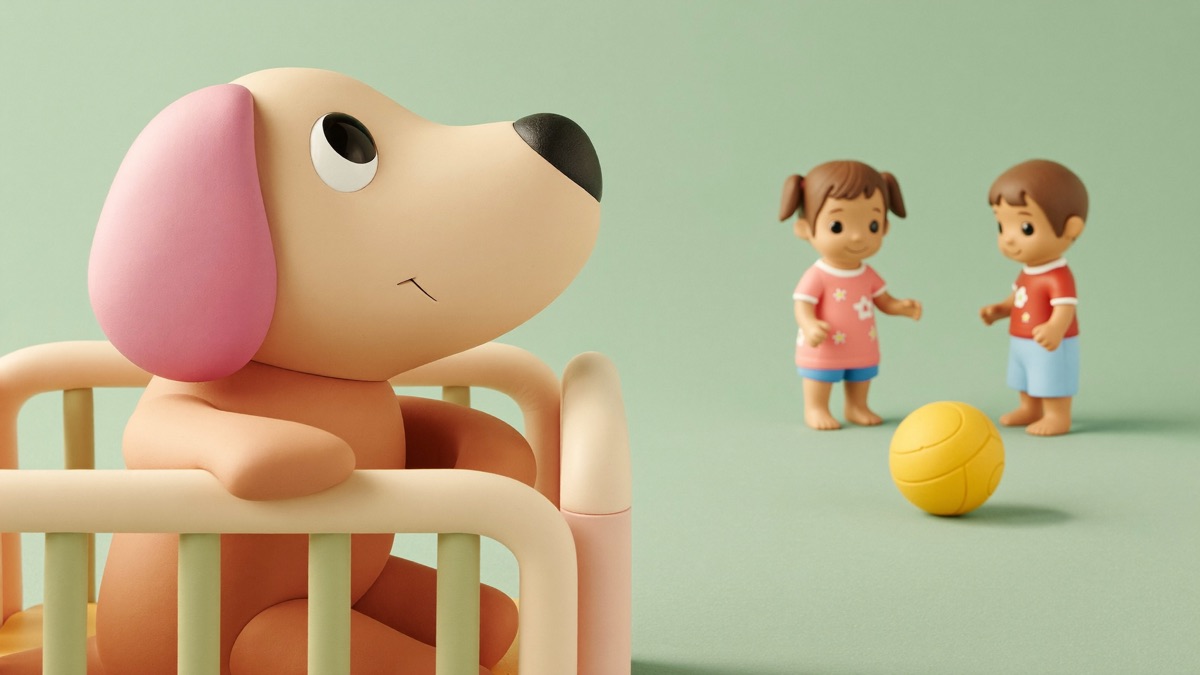
What about kids running at the void deck?
The classic scenario: you're walking your dog past the void deck or playground and children spot it and sprint over shouting "puppy!". You are your dog's advocate here. Step between your dog and the children, put a friendly palm out and say clearly: "Please stop — she's scared of children and needs space." Most kids respond well to a job: "Stand still like a statue and she might look at you." If they can't stop, keep moving; you owe your dog protection more than you owe strangers a greeting.
Route planning matters as much as scripts. Walk at quieter hours, skip the playground path after school lets out, and use lift lobbies and stairwells when a group of children is incoming. Every rehearsal of being mobbed sets training back; every calm observation from a distance moves it forward.
When is rehoming the kind option?
Sometimes the honest answer is that this dog and this household are a poor match: a dog with a bite history towards resident children, a home too small to manage separation, a baby on the way, adults stretched too thin to supervise. If management keeps failing despite genuine effort, a calm, adult-only home can transform a child-fearful dog's welfare — that isn't giving up, it's the responsible version of love. Do it properly: work with a rescue organisation, disclose the fear and any incidents fully, and never advertise the dog casually online.
Before that point, get professional help — a growl, snap or bite involving a child means bringing in a qualified force-free professional now, starting with the AVS-Accredited Certified Dog Trainer list or a veterinary behaviourist referral from your vet (consultations run roughly S$350–600 / RM500–1,000 as of 2026). If escalation has already begun, read our guide to fear aggression — and tighten the gates tonight.