Why does my dog keep stealing things?
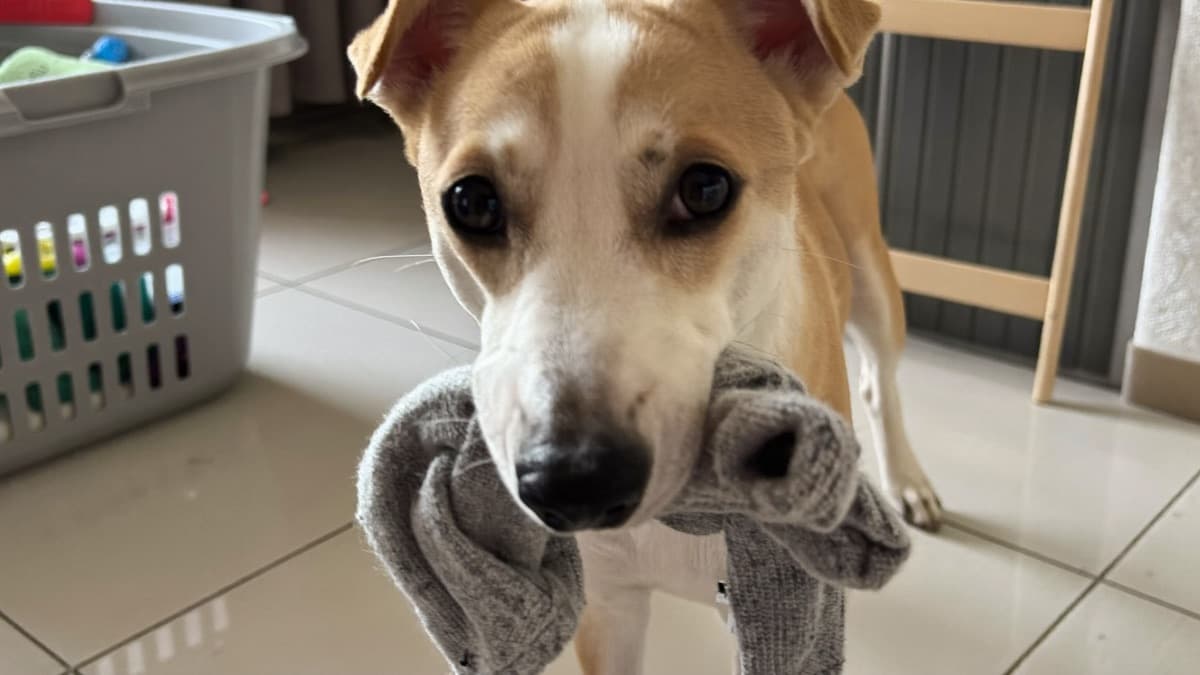
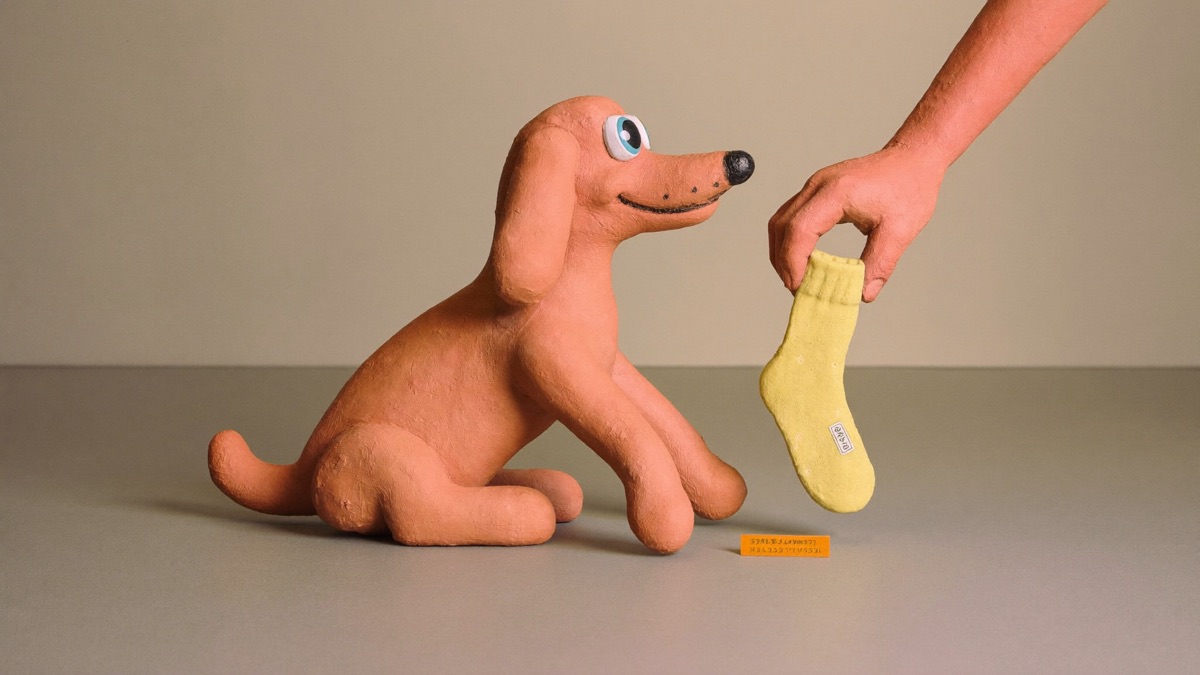
Because it works, spectacularly. From the dog's side of the ledger, a stolen sock buys instant, undivided attention from humans who were ignoring it a moment ago, plus a thrilling game of keep-away with the two-legged team who always plays. The chase is the jackpot. Most household thieves aren't hungry, anxious or spiteful — they're bored, under-exercised, and have learned that theft is the most reliable fun on the menu.
That framing matters because it explains why shouting and chasing make things worse: every pursuit confirms the sock's value and sharpens the dog's evasion skills. It also explains why the dog parades the prize past you rather than hiding with it. This is an invitation, not defiance.
One caution before the fun diagnosis: a dog that freezes, stiffens, growls or gulps items down when you approach is not playing — that's guarding or ingestion risk, and it changes the plan. See our guide to resource guarding and skip straight to professional help if swallowing is involved.
What is trade-don't-chase?
A drop-it economy in which surrendering treasure is always the best deal in the room:
- Kill the chase, permanently. The moment the dog grabs something safe, become the most boring person alive. No lunging, no shrieking, no pursuit. For genuinely dangerous items, still don't chase — walk casually to the treat jar instead.
- Trade cheerfully. Scatter several high-value treats on the floor a metre from the dog, or offer a favourite toy with real enthusiasm. When the mouth opens, pay generously, pick up the item without ceremony, and move on. No scolding after the surrender — punishing a dog that just gave something up teaches it to run further next time.
- Train drop-it before you need it. Dozens of easy trades with toys and low-value objects at home, so the real sock emergency is rep two hundred, not rep one. The full progression lives in the drop-it section of our dog scavenging guide — same skill, indoor edition.
- Never run a con. If the dog learns that trades sometimes end in confiscation with no payment, the economy collapses and the gulping starts. Every trade pays, every time, forever.
How does management close the sock buffet?
Training is half the answer; the other half is that a thief can't steal from an empty shelf:
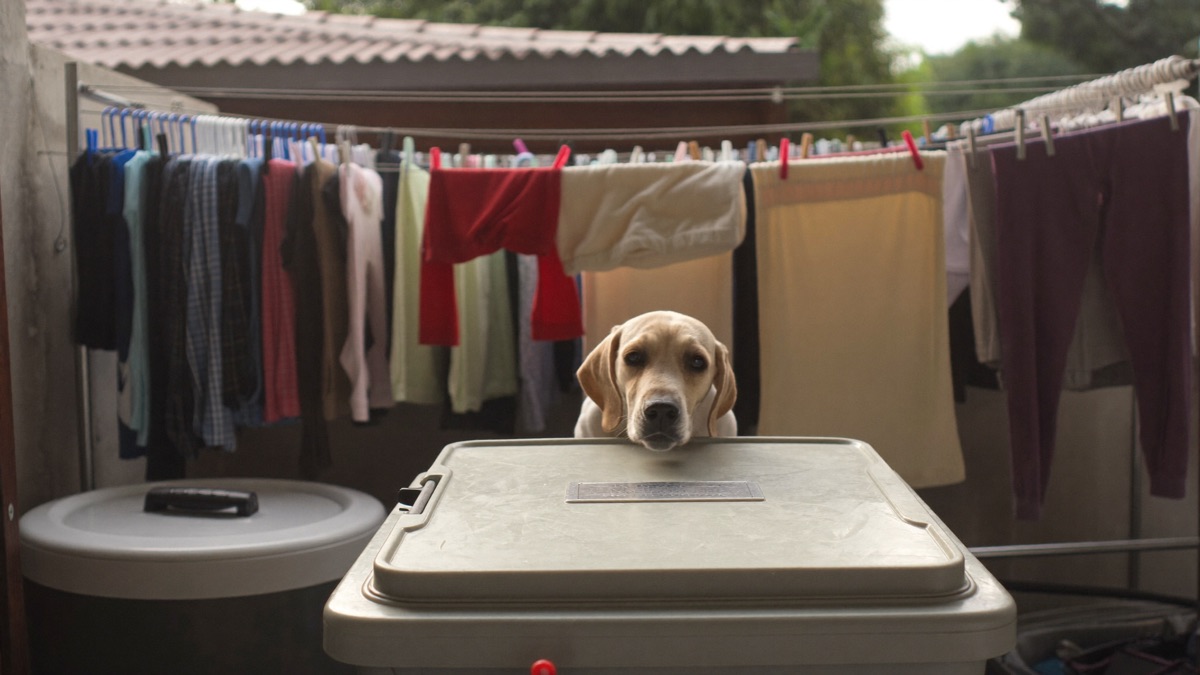
- Laundry discipline. Hampers with lids, socks off the floor, bedroom doors shut, drying racks out of reach. In a small flat this is genuinely the highest-impact change you can make.
- Kid-zone sweeps. Small toys, hair ties and school socks are prime targets — a two-minute floor sweep before the dog has free run pays for itself.
- Feed the need legally. Most sock thieves are under-stimulated. Daily sniff-heavy walks, snuffle mats, food puzzles and chew rotation shrink the motivation — see how often to walk your dog for baselines.
And here's the twist: keep-away is a genuinely great game — so play it on your terms. Structured keep-away and tug with a designated toy, started and ended on your cue, gives the dog the exact thrill it was stealing socks to get. You're not banning the game; you're becoming its owner.
When is a stolen sock an emergency?
When it disappears. Swallowed socks, underwear and small toys are classic intestinal obstructions: fabric doesn't break down, can bunch the intestines, and frequently ends in surgery. If a sock has vanished and your dog starts vomiting repeatedly, retching without producing anything, refusing food, hunching or acting lethargic, call your vet promptly — do not wait days "to see if it passes", and never induce vomiting at home without veterinary instruction. Our guide to dog vomiting covers the obstruction red flags in detail.
This is also why the trade economy matters more for known gulpers: a dog that swallows evidence when cornered turns a training annoyance into a surgical bill. For those dogs, management has to be near-perfect while drop-it gets fluent — and that's a few weeks of tidy laundry, not a life sentence.