Why does the 10% rule exist?
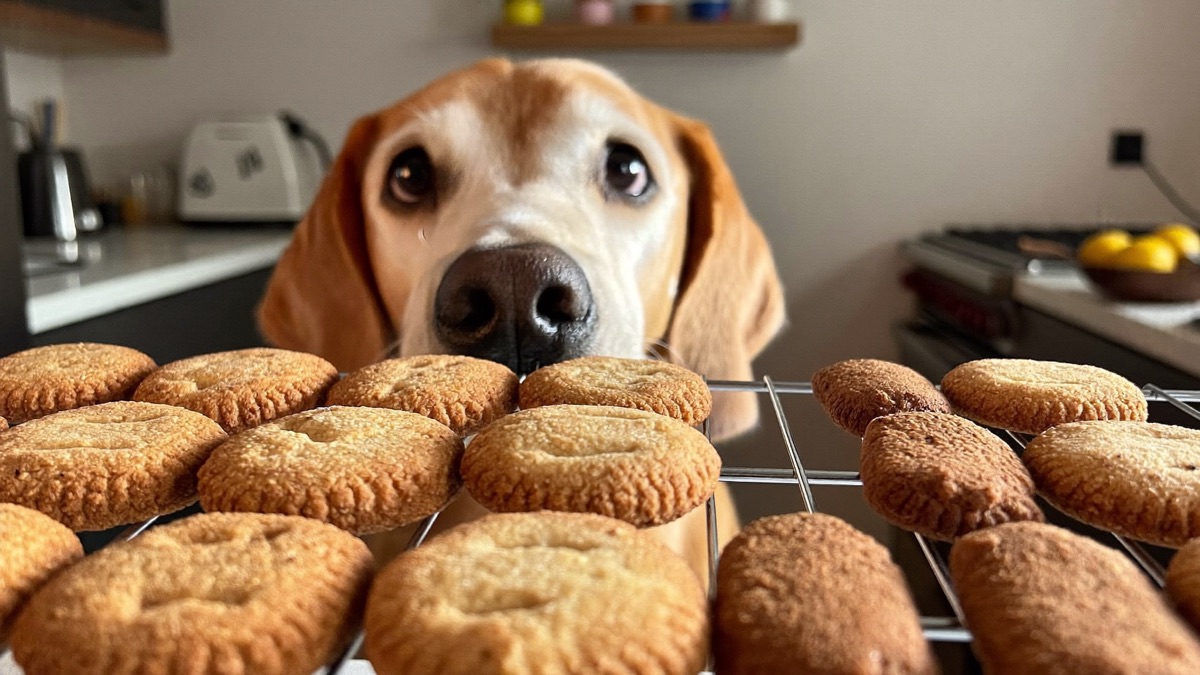
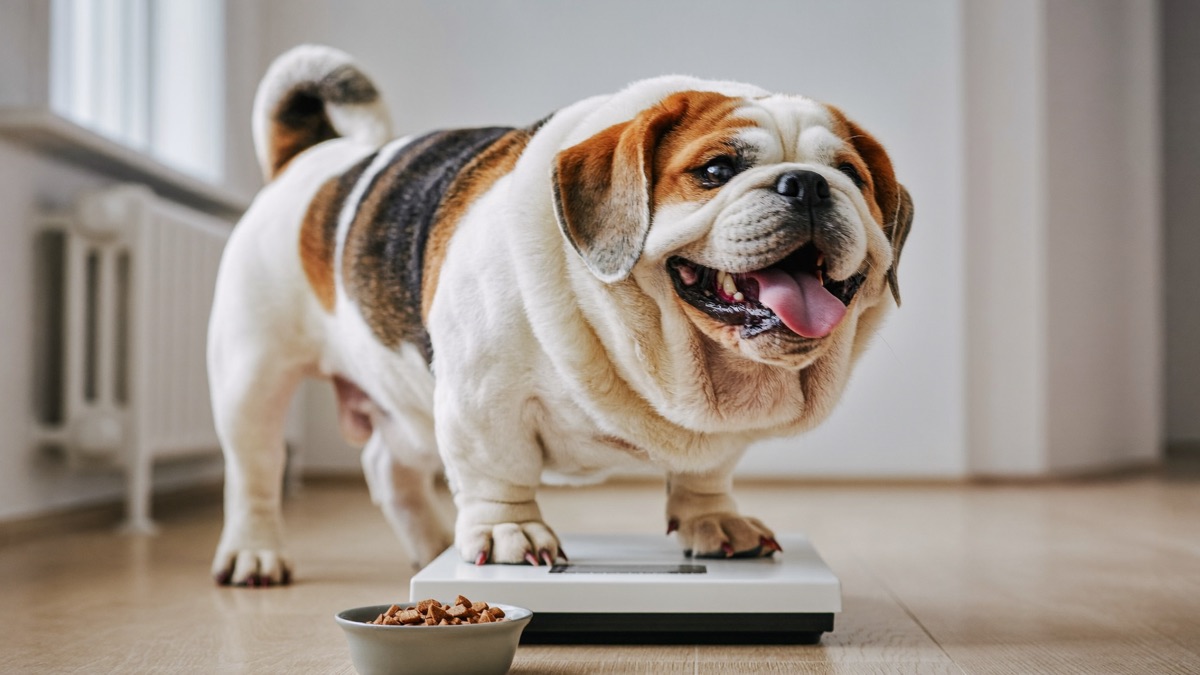
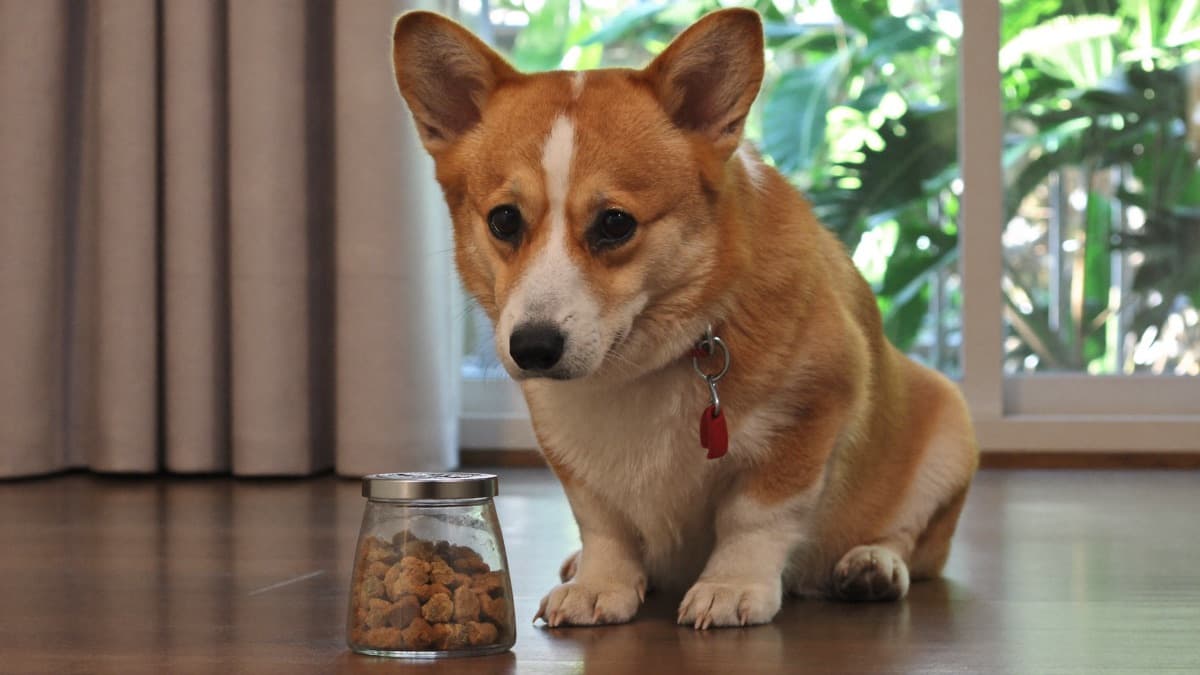
Two reasons. First, treats are not complete and balanced — every calorie of jerky or biscuit displaces a calorie of proper food, so a treat-heavy day is a nutritionally diluted day. Keeping treats to a tenth of intake means the diet stays essentially balanced. Second, treat calories are invisible. Owners measure meals but not the biscuit at breakfast, the chew at lunch, the training rewards, the "just a bit" of bread — and those extras are a major driver of the excess weight that vets see in a large share of the dogs walking into SG and MY clinics. Obesity shortens lives more reliably than almost anything else an owner controls; our feeding amounts guide covers the meal side of the same equation.
What does 10% actually look like for my dog?
Daily calorie needs vary with age, neutering, and activity, but for a typical neutered adult at moderate activity the budgets land roughly here:
| Dog's weight | Approx. daily calories | 10% treat budget | What that budget buys |
|---|---|---|---|
| 5 kg | ~370 kcal | ~37 kcal | ~10 pea-sized training treats, OR half a small dental chew, OR a few carrot sticks |
| 10 kg | ~630 kcal | ~63 kcal | 1 medium dental chew, OR ~15 pea-sized treats, OR 1 small biscuit plus veg |
| 20 kg | ~1,050 kcal | ~105 kcal | 1 large dental chew, OR ~25 pea-sized treats, OR 2 small biscuits |
| 30 kg | ~1,430 kcal | ~143 kcal | 1 large chew plus a biscuit, OR ~35 pea-sized treats |
The numbers that surprise people: a single strip of chicken jerky often carries 20–30 kcal, a "small" commercial biscuit 20–40 kcal, and many dental chews 60–100 kcal — a whole day's budget for anything under 15 kg. Check the kcal figure on the packet (good brands print kcal per treat) and count, don't guess. Fresh vegetables are the cheat code: carrot, cucumber, and green beans cost 2–5 kcal a piece and most dogs enjoy the crunch.
How do I handle training days without blowing the budget?
Training sessions can burn through 30, 50, even 100 rewards — impossible under any treat budget if each reward is a biscuit. Trainers solve it three ways:
- Pay in kibble. Weigh out the day's normal food in the morning, and use a portion of it as training currency. The dog is being fed its own dinner one piece at a time; total calories don't move.
- Make rewards pea-sized. Dogs respond to the number of rewards and the speed they arrive far more than the size of each one. A 3 kcal training treat motivates almost as well as a 30 kcal biscuit, ten times as often. Tear bigger treats into fragments.
- Reserve the good stuff. Keep high-value treats (a shred of cooked chicken, a lick of something special) for the hardest asks — recall past another dog — and pay routine behaviours in kibble.
On a genuinely heavy training day, reduce dinner by whatever extra was paid out. If you enjoy making your own low-calorie rewards, our homemade dog treats guide has options where you control every ingredient.
What should SG/MY owners watch when buying and storing treats?
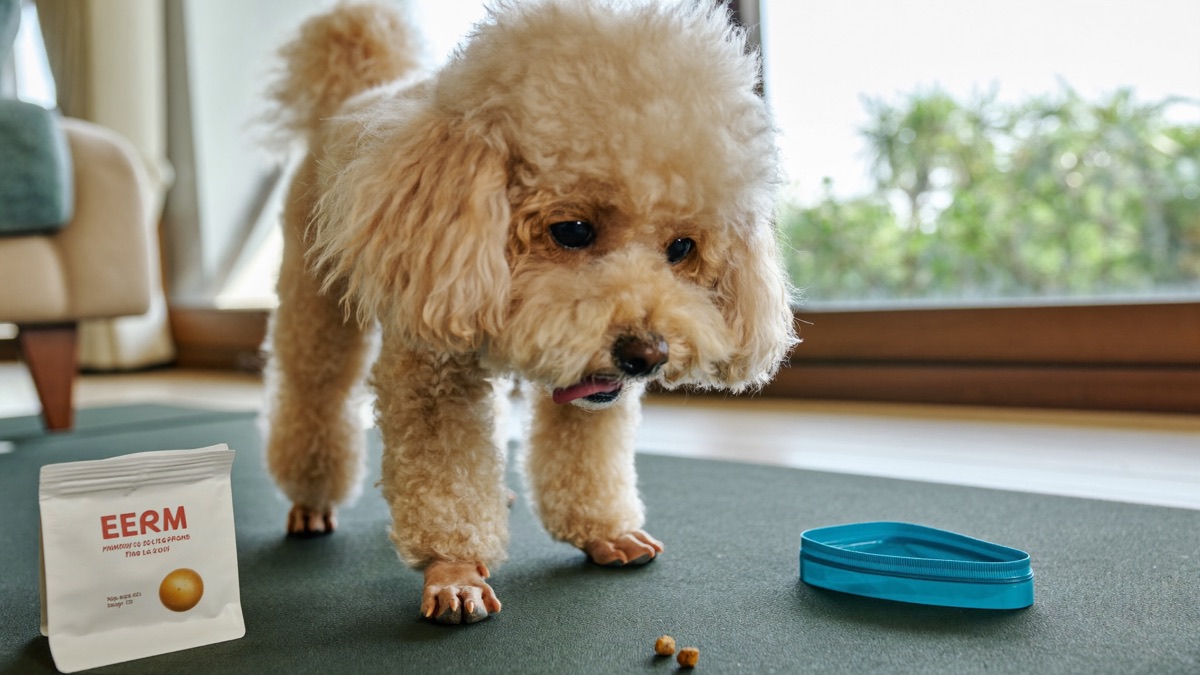
Humidity is the enemy of an opened treat packet. Soft or semi-moist treats grow mould quickly once the seal is broken, and biscuits go stale and rancid. Buy small packets rather than value bags, squeeze the air out and reseal (or decant into an airtight container), store cool and dry — never in the car — and discard anything that smells off, feels sticky, or shows any fuzz. Treats with visible oil coatings turn rancid fastest in the heat.
Be choosy about origin, too. Unlabelled sun-dried and dehydrated meat products — the loose bins and bare plastic bags of jerky that circulate through some shops and online listings — carry real contamination risk, and imported treats without ingredient or calorie labelling make budget-counting impossible. Buy treats with a proper label from established retailers, the same standard you would apply to the food itself. When in doubt, the most trustworthy treat in the house is a piece of your dog's own kibble.