Where are the dog swimming pools?
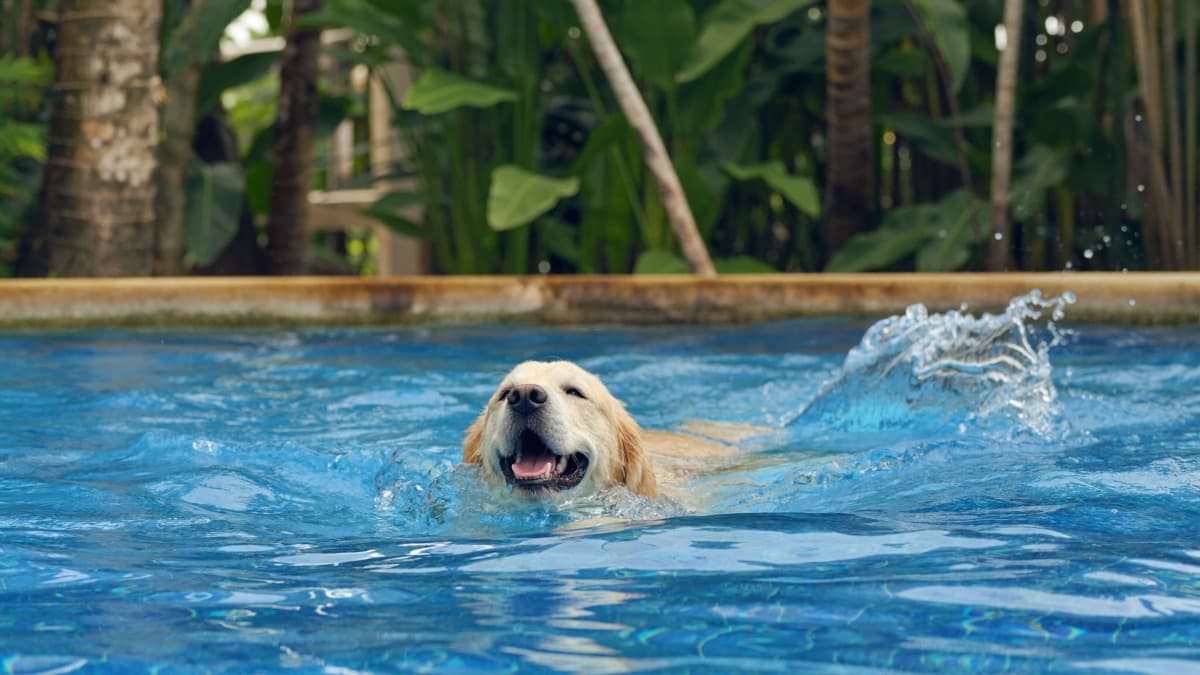
Singapore has a healthy scattering of commercial dog pools across the island — from large outdoor facilities like Wag & Wild in Jurong (Singapore's largest dog water park, with pools at different depths for different sizes) to smaller members-style pools, hydrotherapy centres and resort-attached pools in the east and central areas. As of 2026, expect roughly S$15-40 for a standard session, with budget half-hour slots at the low end and premium or guided hydrotherapy sessions costing more. Most work on booked time slots, cap the number of dogs per session, and require vaccination records — call ahead rather than turning up.
Pools beat the beach for a first swim: controlled depth, no waves, no currents, ramps or steps for exit, and staff who have seen a hundred nervous first-timers.
Can my dog swim at the beach?
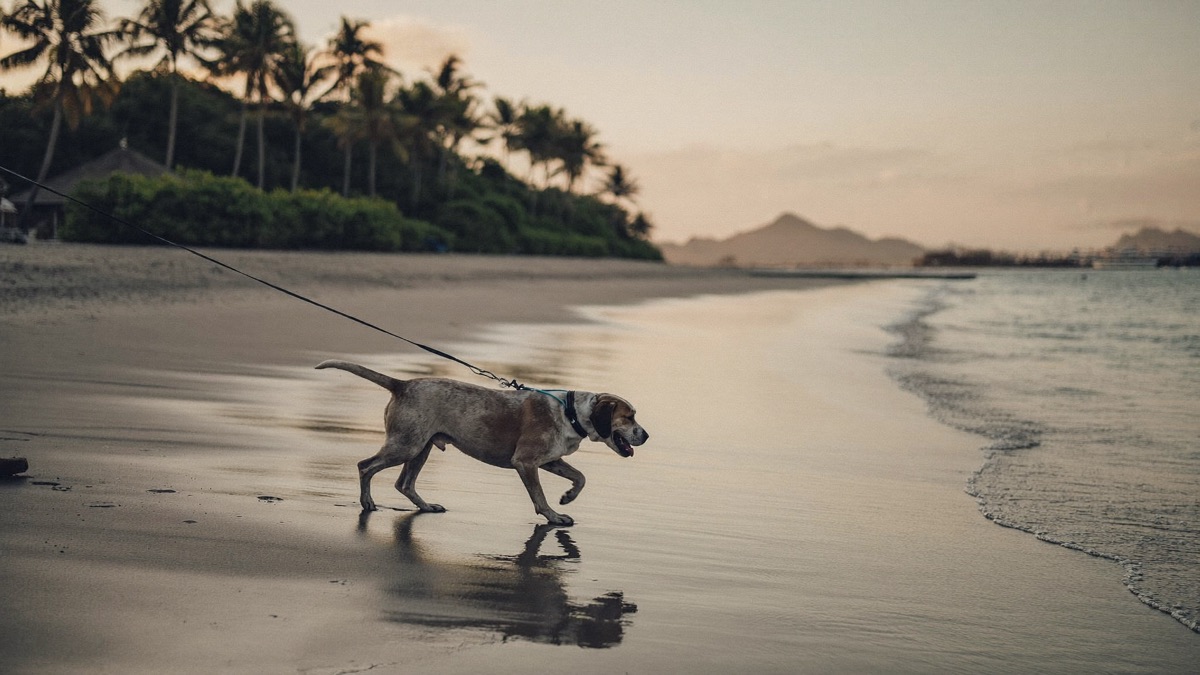
Yes — Sentosa's beaches allow leashed dogs, and Tanjong Beach has been the dog crowd's favourite for years, with several beachfront venues nearby that welcome dogs and put out water bowls. Practical rules for a good beach day:
- Leash stays on, including in the water's edge zone — a long line gives swimming room while staying legal
- Go early morning or after 6pm; midday sand burns paws and the crowds peak
- Bring fresh water both for drinking and for rinsing — dogs that drink seawater end up with diarrhoea, and dried salt itches
- Watch the swell: even gentle waves tire a dog far faster than flat pool water
For the wider lay of the land — dog runs, parks and cafes — see our dog-friendly Singapore guide.
How do I handle my dog's first swim?
Forget the throw-them-in myth. The safe first-swim sequence:
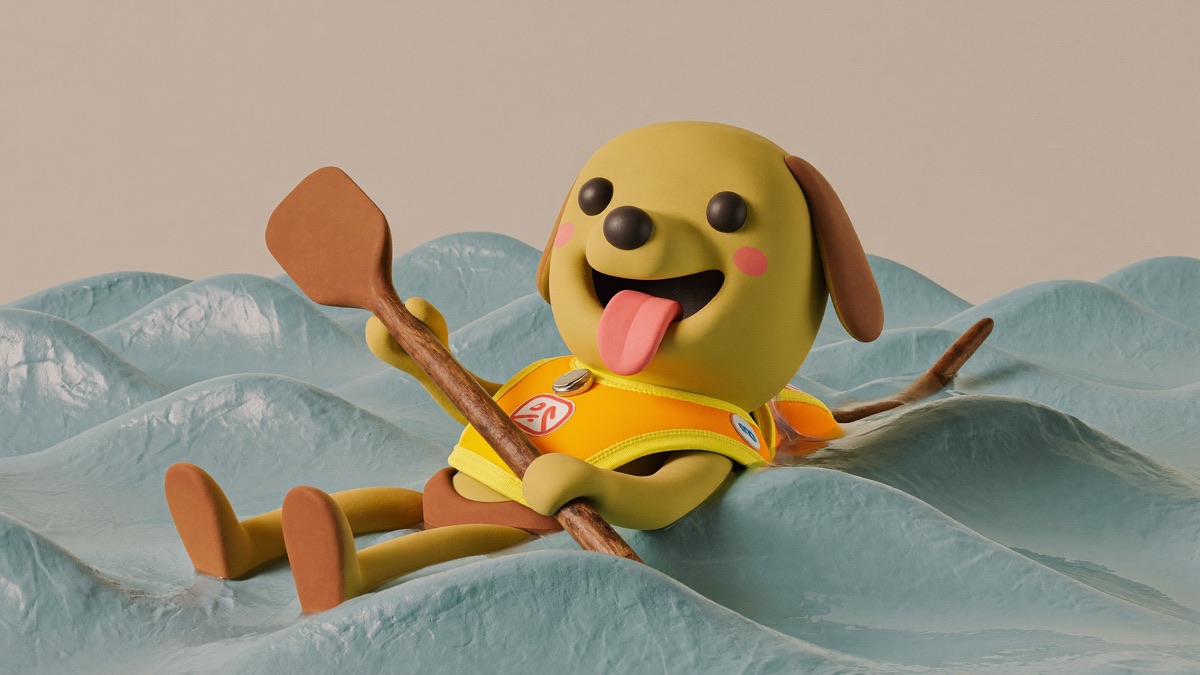
- Life vest on, every first swim, every breed. A proper dog flotation vest with a top handle lets you lift the dog out instantly
- Start on a ramp or steps in water shallow enough to stand
- Get in or crouch at dog level and let the dog choose to enter — treats at the waterline, zero pushing
- Support under the belly for the first paddles so the rear end doesn't sink
- Keep it short: five to ten minutes of actual swimming is a real workout for a novice
And know your breed's hardware. Heavy-chested, short-muzzled dogs — French Bulldogs are the textbook case — cannot swim in any meaningful sense: the body sinks, the short airway floods, and drowning can happen in minutes. For these breeds a vest isn't a precaution, it's the only condition under which water play is acceptable at all — and shallow splash zones beat swimming entirely.
Pool chlorine or sea water — which is better for my dog?
Neither is harmful with basic hygiene; they just fail differently.
| Chlorinated pool | Sea at Sentosa | |
|---|---|---|
| Skin/coat | Drying with repeat exposure | Salt + sand irritation |
| Swallowing | Small amounts harmless; discourage gulping | Causes vomiting/diarrhoea — bring fresh water |
| Eyes/ears | Mild redness possible | Sand in ears is the sneaky one |
| Conditions | Controlled, no current | Waves, heat, distractions |
Some dog pools advertise chlorine-free or mineral systems, which are gentler on skin for frequent swimmers. Either way, the after-care below matters more than the water type.
What's the post-swim routine?
The tropics punish a damp dog. Every swim ends the same way:
- Fresh-water rinse head to tail — most dog pools and Sentosa's beach areas have showers
- Towel hard, then air-dry fully before crating or car rides; a coat that stays damp in our humidity is a fungal and hot-spot invitation — the same reason over-bathing backfires, as covered in how often you should bathe your dog
- Dry the ears properly. Water trapped in the canal is the classic set-up for infection, especially in floppy-eared breeds — technique in our guide to cleaning your dog's ears
- Check paw pads and armpits for sand rub after beach days
Do that every time and swimming becomes what it should be here: the best low-impact, heat-proof exercise a dog in Singapore can get.
Related guides: dog runs in Singapore.