Why do "friendly" dogs bite?
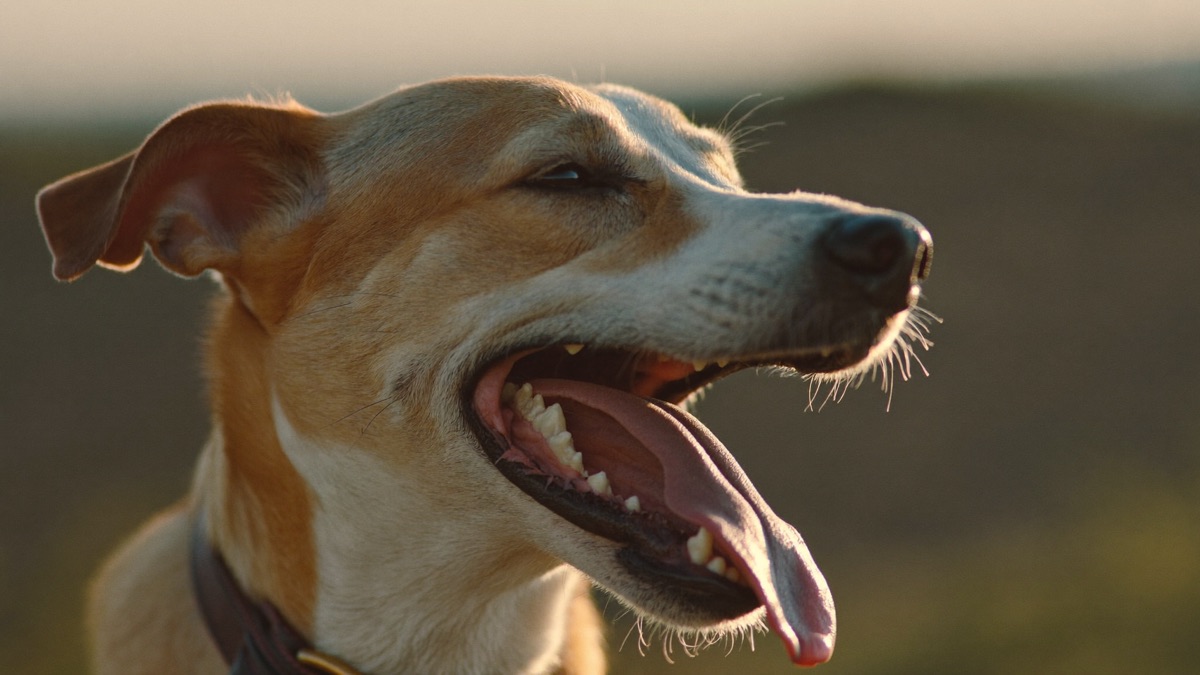
Because bites are the top rung of a ladder every dog climbs first. Before teeth come lip-licks, head turns, whale eye, walking away, freezing, growling and air snaps — each one a request for space that, ignored, forces the next. Our dog body language guide teaches the vocabulary, and the fear aggression guide walks the full ladder. Children are bitten most because they miss every rung: they hug, climb, grab and follow — behaviours dogs tolerate until, one tired afternoon, they don't. And a dog punished for growling has had its warning rungs removed entirely, which is why the never-punish-a-growl rule is bite prevention in its purest form.
What supervision rules actually prevent bites at home?
Passive presence isn't supervision — a bite takes under a second, faster than any adult can cross a room. The rules that work:
| Rule | What it means in practice |
|---|---|
| Active supervision | An adult watching the interaction, close enough to intervene — not scrolling on the sofa |
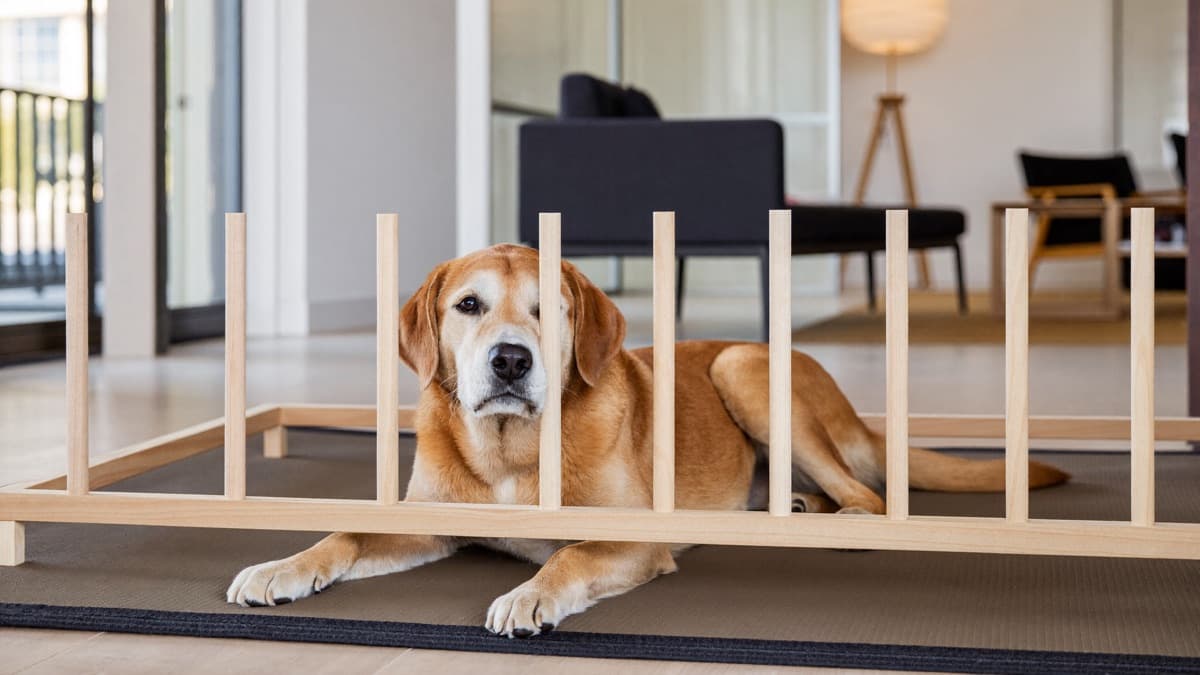
| Separation when you can't watch | Baby gates, playpens or a closed door whenever no adult is actively watching |
| Protected resources | Dogs eat, chew and sleep in a child-free zone — no exceptions, no "he doesn't mind" |
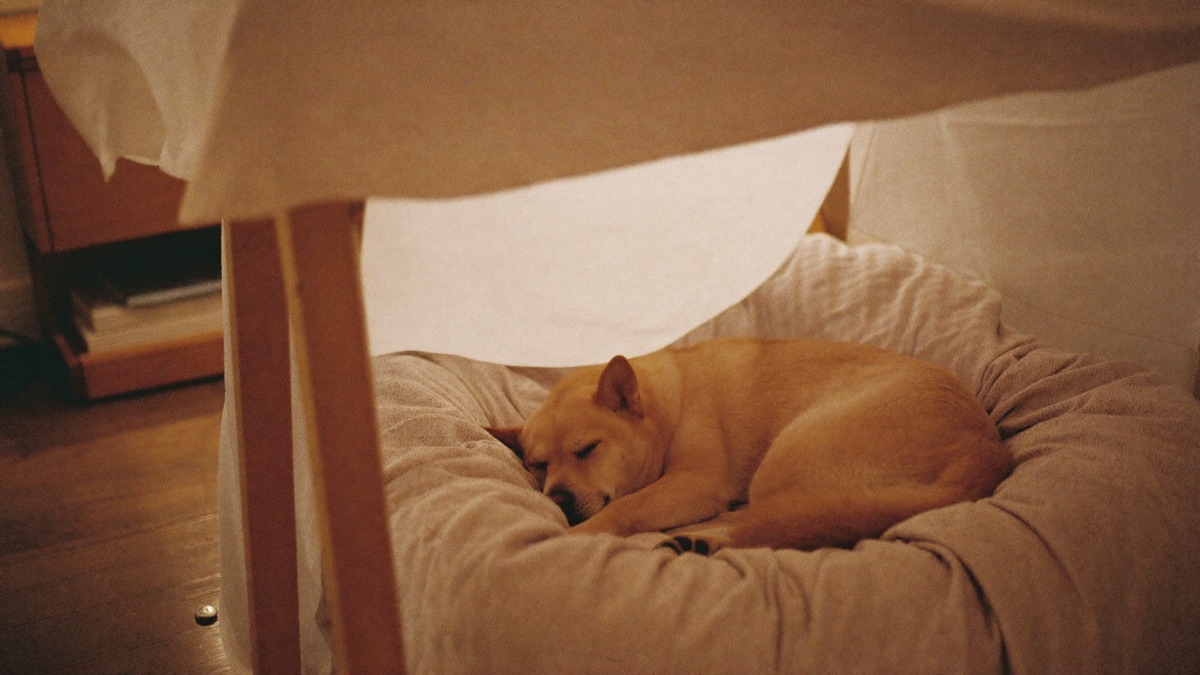
| Hands-off resting dogs | Sleeping or resting dogs are never touched, climbed on or woken by children |
| Consent checks | Pause stroking every few seconds; if the dog doesn't lean back in, it's done |
Households with toddlers need the strictest version — our toddlers and dogs guide sets out the gates-zones-rules system in full.
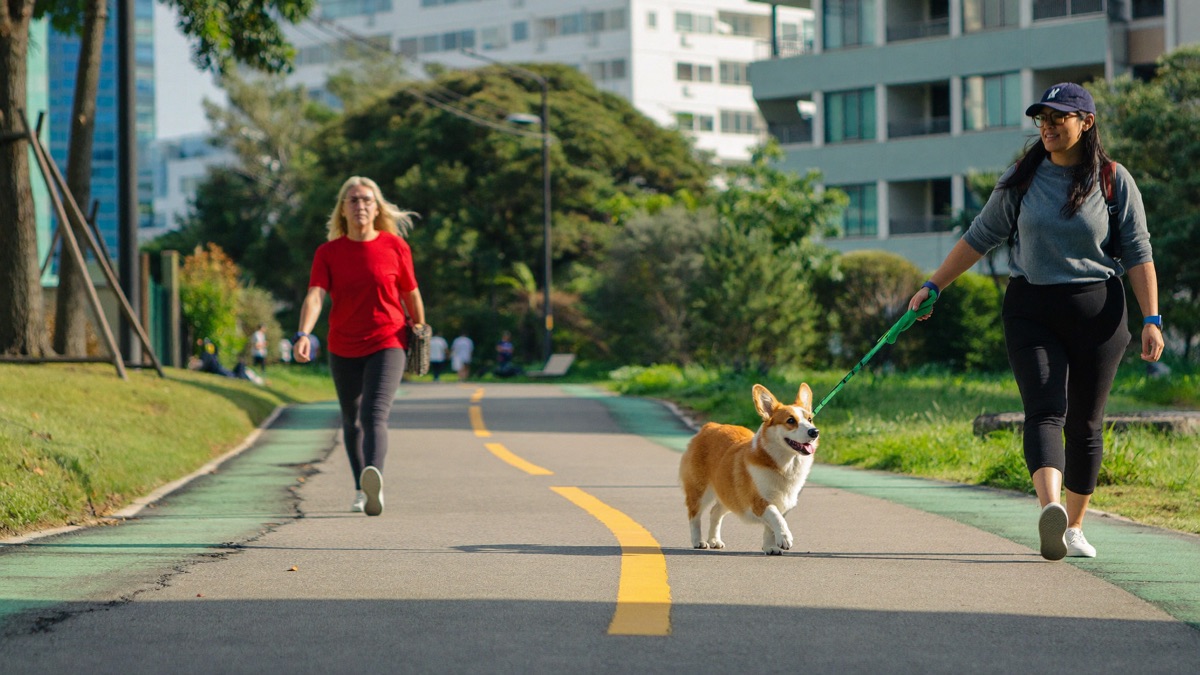
How should you greet any dog safely?
Teach every family member the same three-step protocol — ask, invite, let them choose:
- Ask the owner. "Can we say hello?" If the answer is no, that's a responsible owner, not a rude one.
- Invite, don't invade. Stand relaxed and side-on a step away, hand loosely at your side. No looming, no reaching over the head, no face-to-face staring.
- Let the dog choose. If the dog approaches and leans in, stroke the chest or shoulder for a few seconds, then pause. If it doesn't approach — or sniffs and leaves — the answer was no, and no is fine.
This works because it hands the dog control of the distance, which is precisely what nearly all defensive bites are about.
What should you do if a loose dog approaches?
Be a tree. Stop moving, fold your arms in, look down at your feet, and stay silent and boring until the dog loses interest — most do within seconds, because a still human is a dull one. Running, screaming and arm-waving flip a curious dog into chase mode. If you're knocked over, be a stone: curl up, protect your neck and face with your arms, and stay still. Practise both as games with children before they're needed; rehearsed calm beats instructed calm every time.
What happens after a bite in Singapore?
First aid comes first: control bleeding with direct pressure, flush the wound thoroughly under running water with mild soap, and see a doctor promptly — bite punctures infect easily and may need antibiotics; our dog wound care guide covers the principles. Then the reporting reality: in Singapore, AVS investigates reported dog-bite and dog-attack incidents, whether the victim is a person or another animal, and owners are legally required to keep dogs leashed and under control in public. Depending on the findings, AVS can take enforcement action and impose conditions on how the dog is managed going forward. Check current guidance at avs.nparks.gov.sg rather than forum folklore.
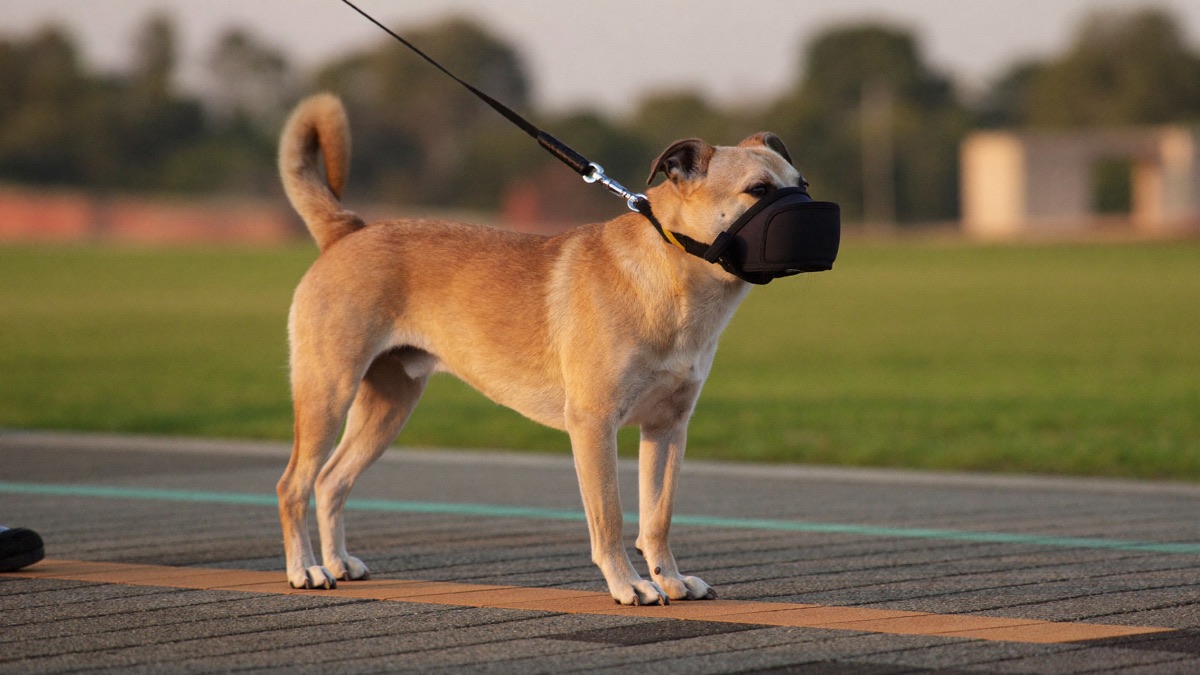
If it was your dog that bit — even a "nip that didn't break skin" — treat it as the fire alarm it is: management now (lead, gates, a conditioned muzzle where needed), a vet check to rule out pain, and qualified help via the escalation guide. Bites are the most preventable of all dog problems, because the dog almost always told everyone first.