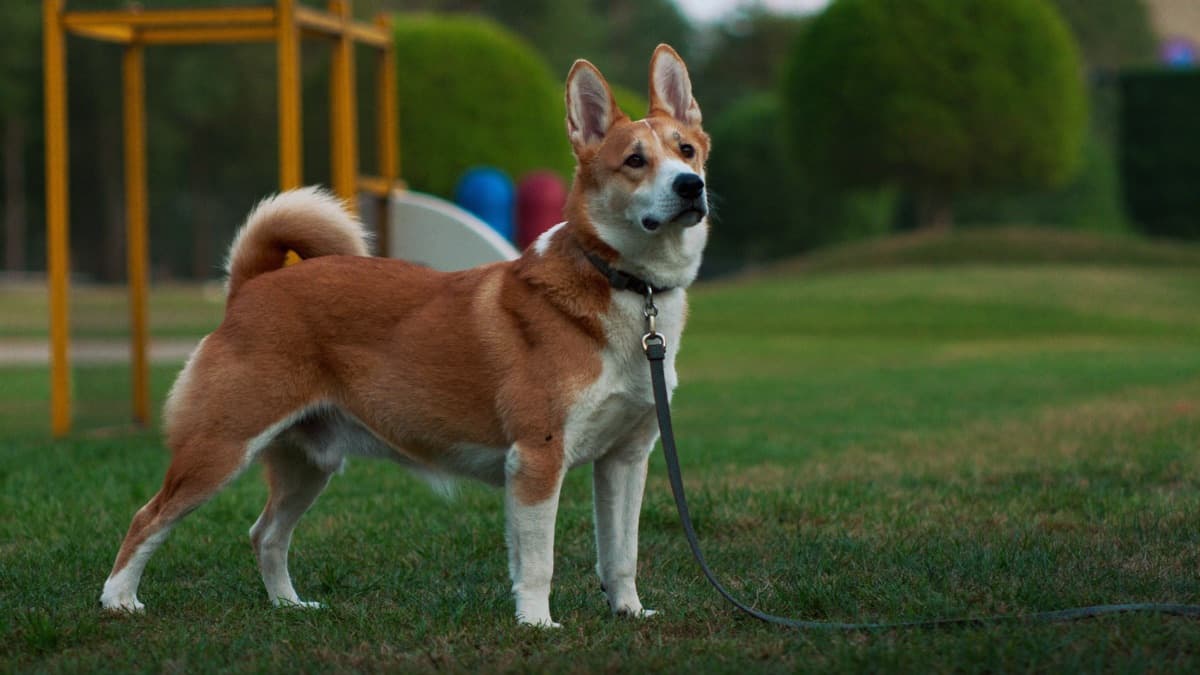
Why do running children flip a switch in my dog?
Because a sprinting, shrieking child is the most powerful prey-and-play stimulus most pet dogs ever meet. Fast erratic movement triggers the chase reflex; high-pitched squealing reads as the soundtrack of exciting prey-play; and the moment the dog nips and the child screams and runs faster, the game gets better from the dog's point of view. Every lap of the living room is a training session — for exactly the behaviour you don't want.
Herding breeds add a second layer. A Welsh Corgi was built to nip cattle heels; a Border Collie was built to stalk, circle and control movement. Centuries of selection don't switch off because the moving thing is your six-year-old. These dogs aren't misbehaving — they're doing their job on the wrong livestock. That doesn't make it acceptable; it tells you which lever to pull.
Overstimulation is the third ingredient. A dog that has been part of a loud birthday party for two hours, or a hot afternoon of nonstop toddler traffic, has a shrinking fuse. Arousal stacks, self-control drains, and the nip that never happens at 10am happens at 4pm — our guide to trigger stacking explains why.
How does the kids-freeze game work?
You cannot ask a dog mid-chase to make good decisions, but you can remove the fuel. Movement powers the chase; stillness cuts the engine. So teach the children to "be a tree": stop, feet planted, arms folded in, eyes down, boring as furniture. No screaming, no flailing, no running for the sofa — running away is the single worst move, because it converts a nippy game into a genuine pursuit.
Make it a game before it's needed. Practise without the dog first: shout "freeze!" during play and reward the fastest, stillest statue. Kids of four or five can learn this in an afternoon if it's fun rather than a lecture. Then rehearse with the dog on lead, at low excitement, and praise the dog lavishly the moment it disengages from a frozen child. You're teaching both species the same lesson: stillness ends the game, calm restarts it.
What does adult-managed play actually look like?
It means an adult is in the interaction, not near it:
- Adult present, phone down, positioned between dog and children, actively watching the dog's arousal.
- Structured games only. Fetch, find-it, trick training with the child handing rewards under supervision — not free-for-all chase, and never tug between dog and small child.
- Short sessions with an off-ramp. Two or three minutes of play, then a calm break; end before the dog tips over the edge, not after.
- Dog on lead or behind a gate during high-energy kid time — parties, playdates, rainy-day indoor sprints. Management isn't defeat; it's how you stop the rehearsals while training catches up.
- A legal chase outlet daily. Flirt-pole sessions, fetch, herding-style games on cue — drain the drive on your terms so it isn't queuing up for the children.
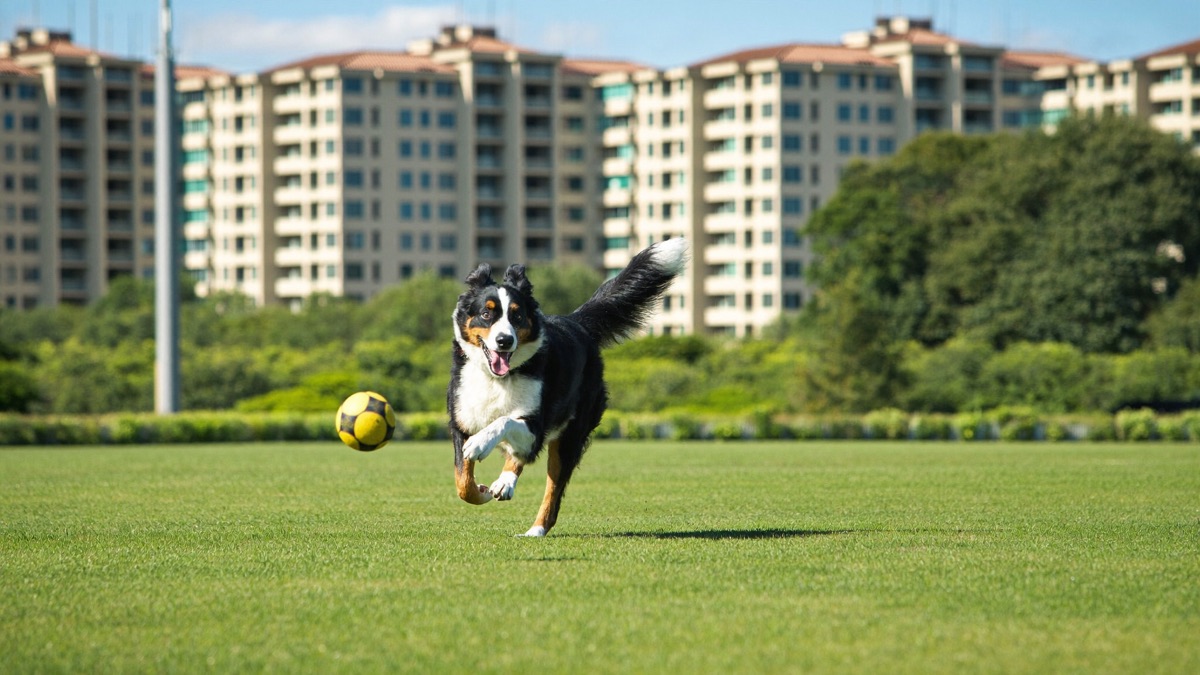
Are nips aggression or not — and does it matter?
Hold both truths at once. Nips driven by herding and arousal are data, not malice: a loose, wiggly dog nipping heels in a chase game is telling you its instincts are over-fuelled and under-managed, not that it hates your child. Labelling that dog "aggressive" leads to the wrong fixes and a lot of unnecessary fear.
And at the same time: nips at children are unacceptable, full stop. A child's skin, and a child's face height, mean that intent is irrelevant to outcome. "He's only herding" is an explanation, never a licence. The correct response to a nip is zero blame — of dog or child — and immediate change to the setup that allowed it.
When should I get professional help fast?
Get a qualified force-free trainer or veterinary behaviourist involved quickly — as in this week, not this quarter — if any of these apply: a nip has broken skin or targeted the face; nips are getting harder or more frequent despite management; the dog stiffens, freezes, growls or shows whale eye around children (see dog body language); or the dog starts avoiding or guarding against a particular child. If your dog seems fearful of children rather than playful, start with our guide to dogs scared of children — the fear version needs a different plan. Until help arrives, dog and children are simply never in the same space unmanaged. That isn't punishment; it's the pause button that keeps everyone's record clean.